A self-driving taxi freezing in live traffic sounds like science fiction—until it causes real crashes.
Reports out of Wuhan say some Baidu robotaxis reportedly stopped unexpectedly in the middle of the road, creating dangerous chain-reaction risks. Whether the issue was software, sensors, communications, or power management, it highlights a hard truth: when automated systems fail, people and property pay the price.
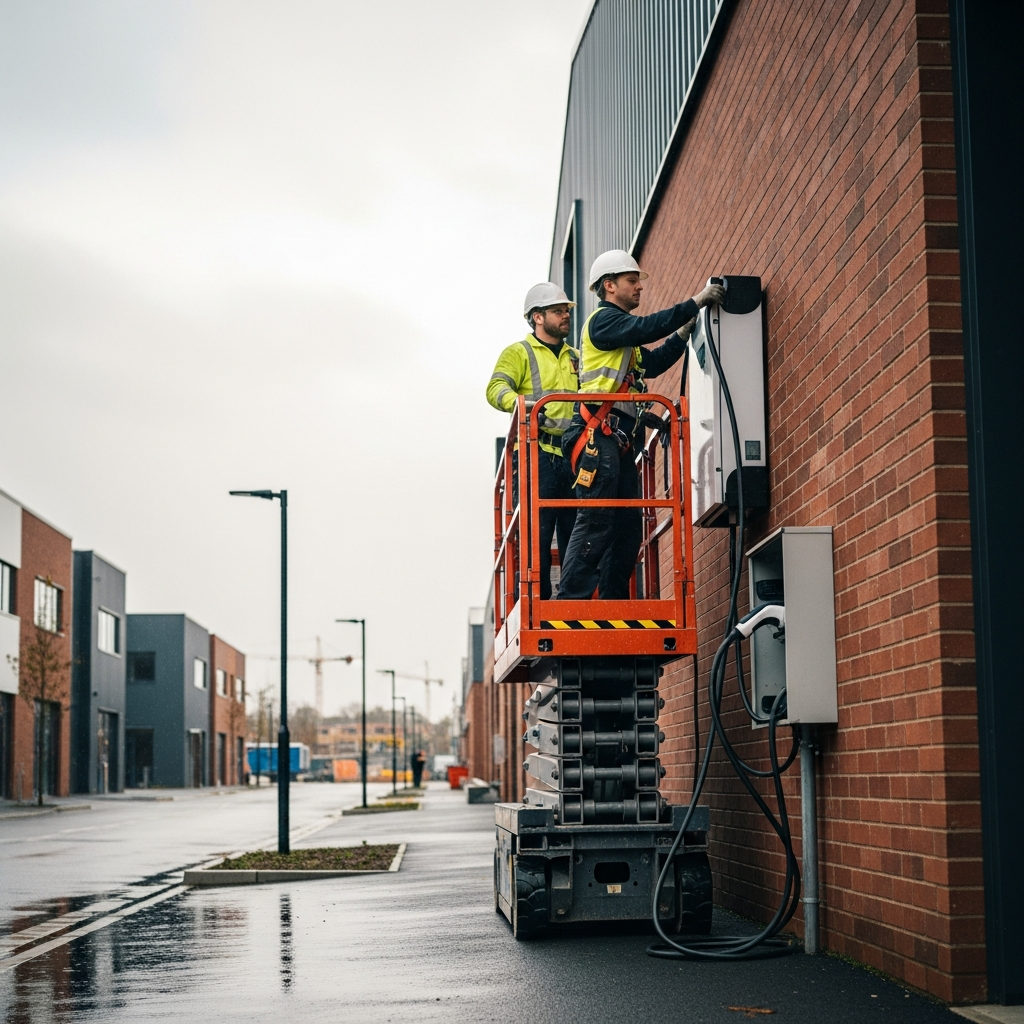
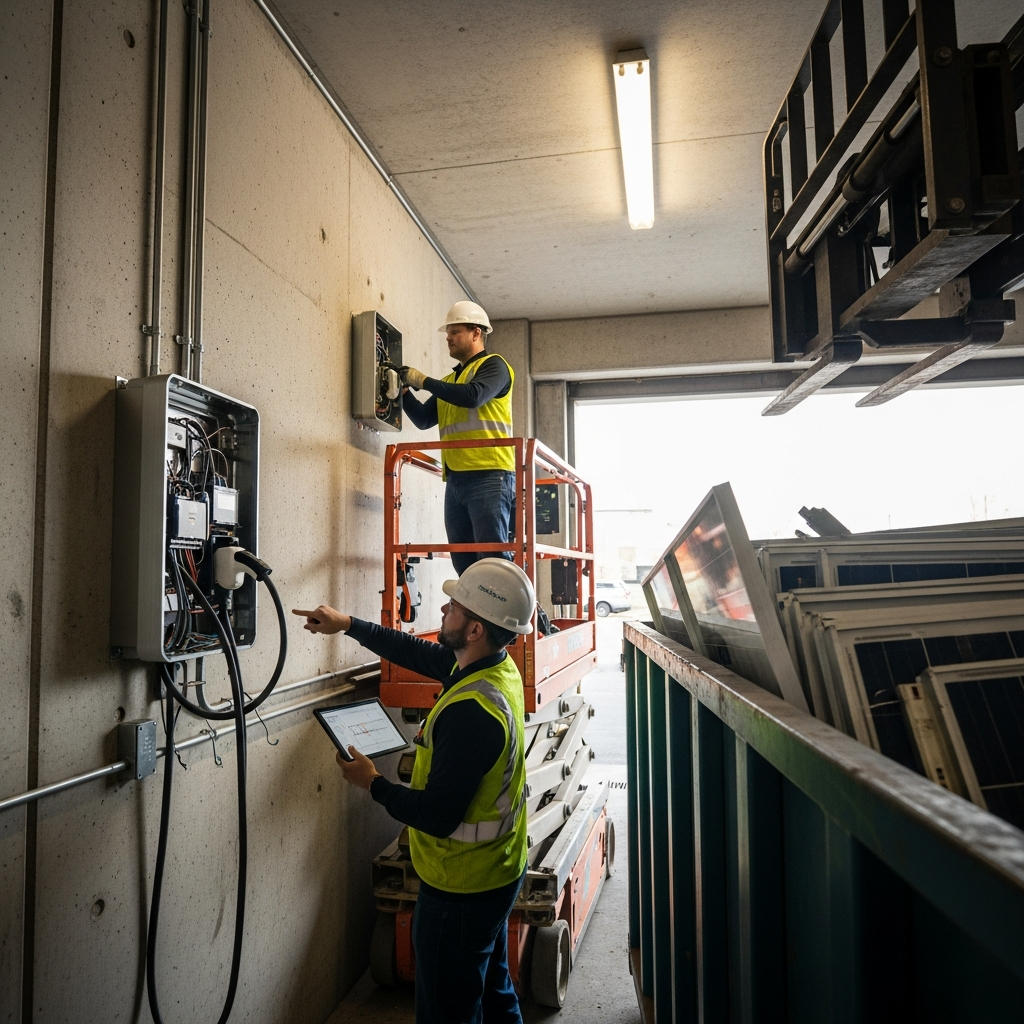
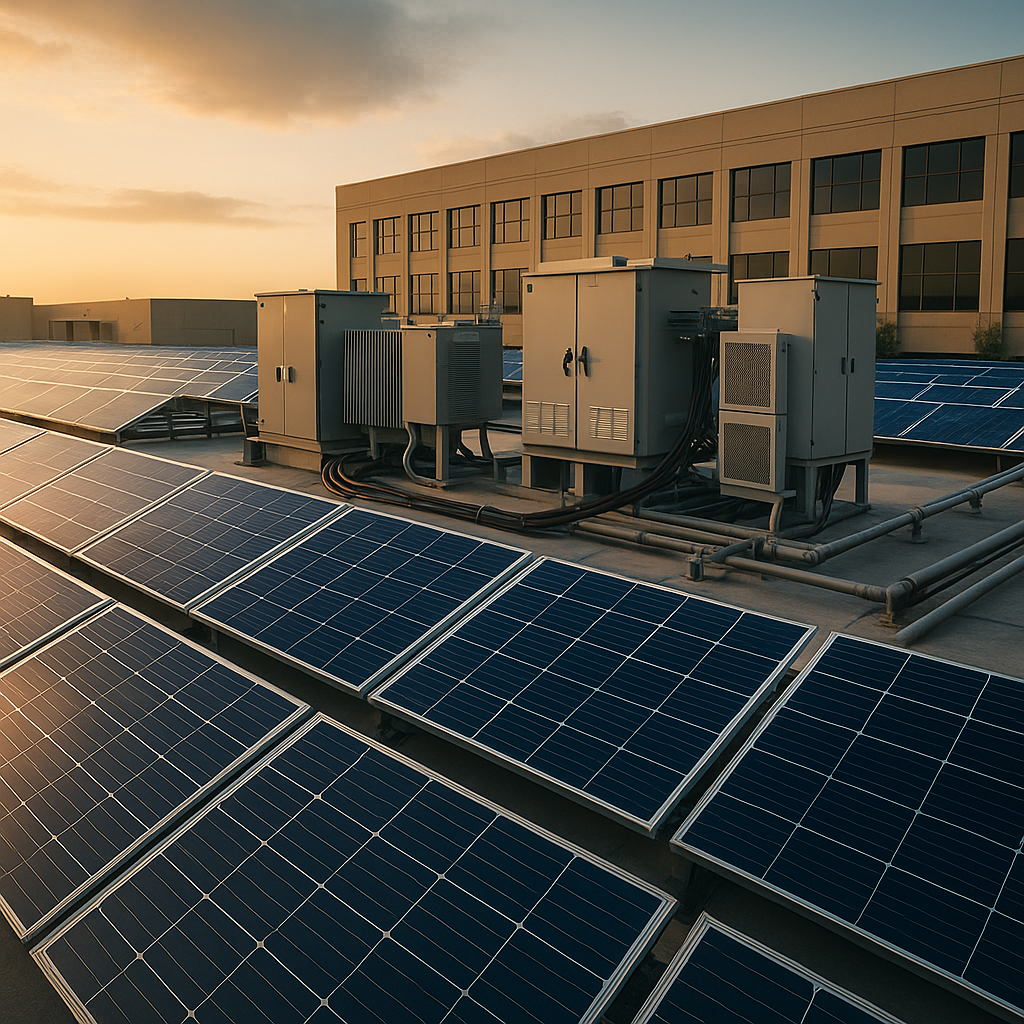
For commercial buildings, warehouses, hospitals, and industrial sites, this should hit close to home. More facilities now rely on smart controls, automated equipment, connected lighting, access systems, EV charging, and backup power integration. But “smart” does not automatically mean “safe.” If electrical infrastructure is poorly designed, improperly installed, or not maintained, a single fault can trigger shutdowns, equipment damage, safety hazards, and major operational downtime.
Automation depends on something basic: stable, reliable electrical systems. Clean power, proper grounding, surge protection, code-compliant installations, and well-planned redundancy are what keep advanced systems from becoming expensive liabilities. The more connected a commercial property becomes, the less margin there is for electrical mistakes.
Even in residential settings, smart panels, chargers, and automated devices carry the same lesson on a smaller scale.
Technology can move fast. Electricity does not forgive shortcuts. If the system behind the automation is weak, failure is not a surprise—it is only a matter of time.
steelcityelectricfl.com/commercial-new-construction-electrical-contractor-blog