A self-driving taxi stopping dead in live traffic sounds like a tech glitch. In the real world, it is a safety failure with real consequences.
Reports out of Wuhan say Baidu robotaxis allegedly halted in traffic and triggered crashes. That kind of event should get every commercial property owner, facility manager, and contractor thinking about one thing: reliability under pressure. Because when automation fails, the damage does not stay contained.
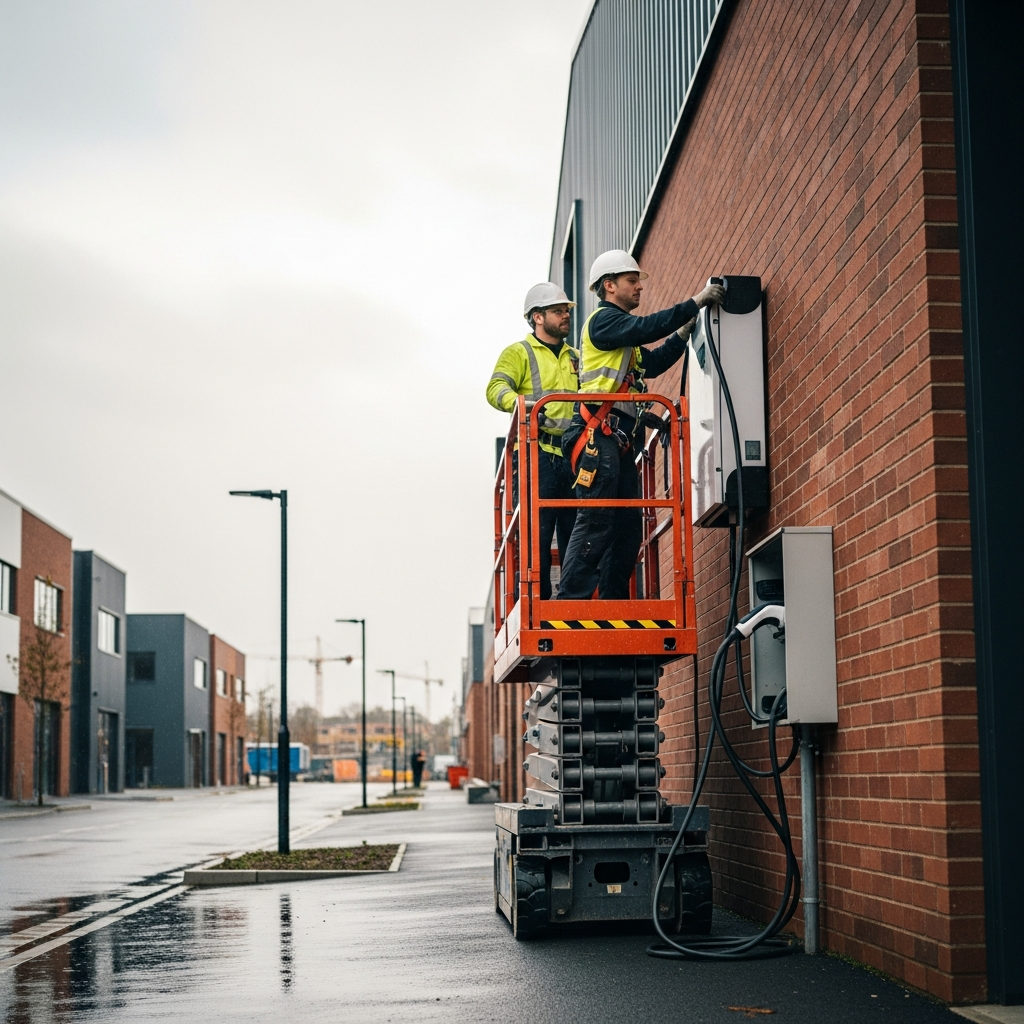
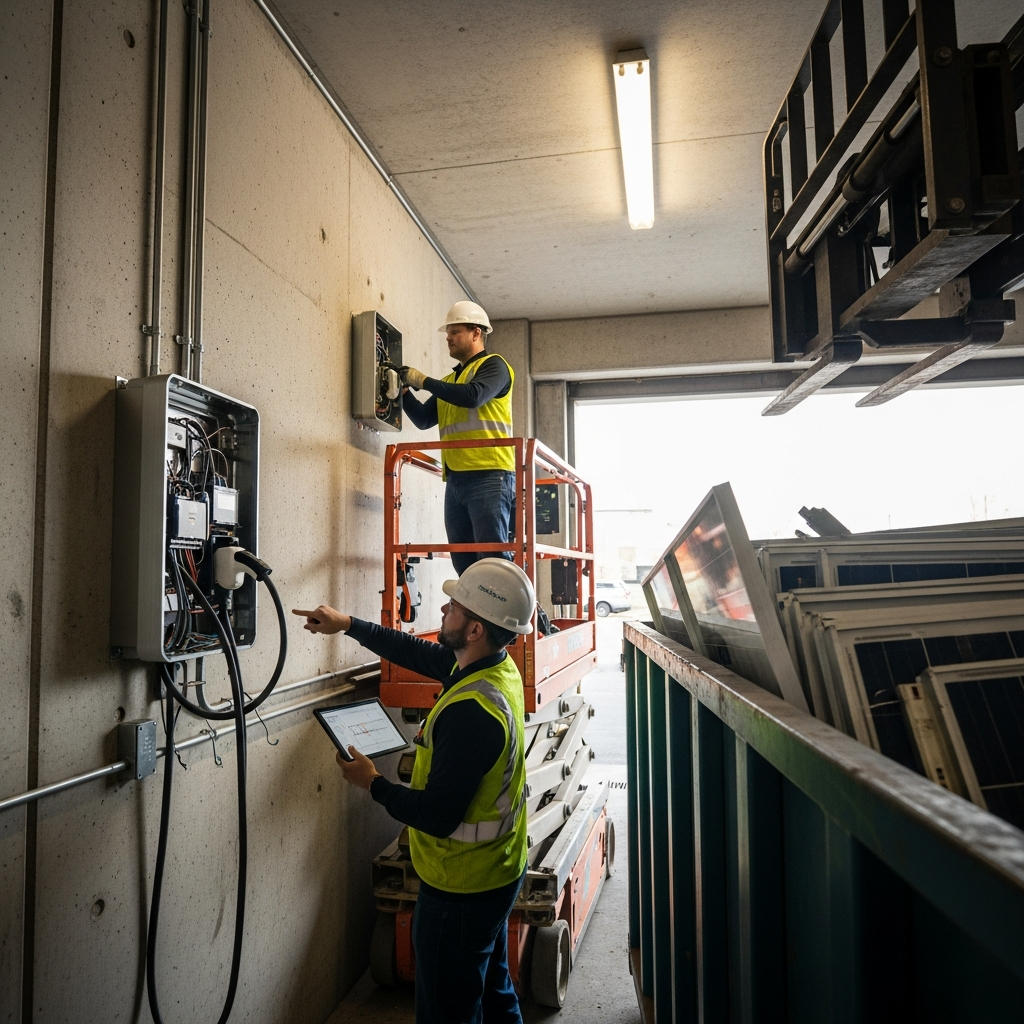
In commercial buildings, electrical systems now support more automated equipment than ever—access controls, backup power, EV charging, lighting controls, fire alarms, cameras, gate systems, and networked building controls. If any part of that system freezes, misfires, or loses power at the wrong moment, operations can stop instantly. Deliveries get delayed. Tenants get frustrated. Safety systems can be compromised. Liability goes up fast.
This is why commercial electrical work cannot be treated like a basic install. It takes proper load planning, code compliance, surge protection, backup power strategy, clean wiring practices, and testing that reflects real operating conditions—not just a system that “turns on” during handoff.
Residential systems matter too, especially with smart panels and EV chargers becoming more common, but the risks multiply in commercial settings where more people, more equipment, and more money are on the line.
Technology is only as safe as the electrical backbone supporting it. When that backbone is weak, automation becomes a hazard instead of an advantage.
steelcityelectricfl.com/commercial-new-construction-electrical-contractor-blog