Big production wins in mining rarely make headlines for what they *really* mean: massive pressure on power systems.
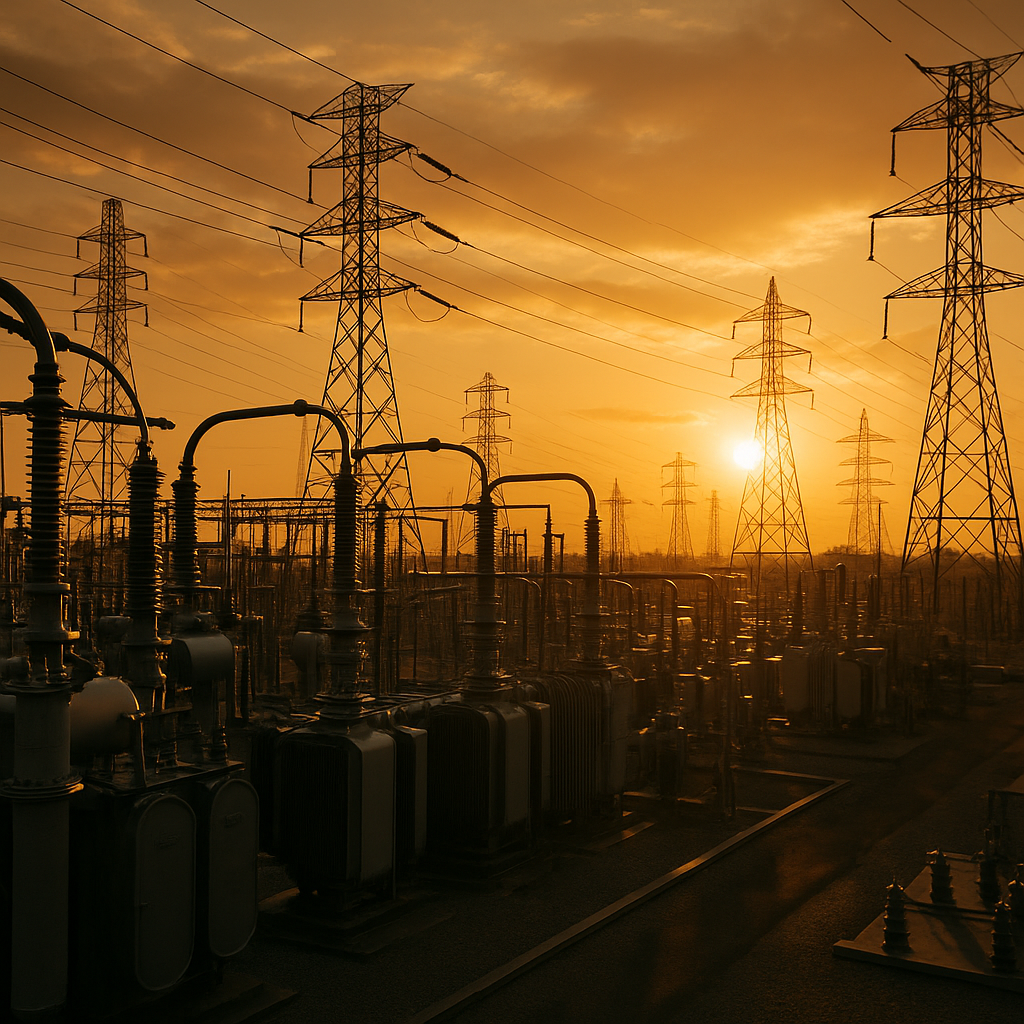
Allied Gold’s record Q4 production and its next growth moves are more than a business story—they’re a reminder that when industrial operations scale fast, electrical infrastructure has to keep up or become the weak link. More output means heavier loads on switchgear, motor controls, distribution equipment, backup systems, and facility-wide monitoring. If the electrical side is undersized, outdated, or poorly coordinated, “growth” can quickly turn into downtime, safety issues, and expensive delays.
That matters far beyond the mining sector. In commercial and industrial environments across Florida, expansion is often judged by square footage, staffing, or equipment counts. But the real question is whether the electrical system was designed for what’s next, not just what’s running today. Production increases, equipment upgrades, and ownership transitions all put stress on existing power capacity and reliability planning.
Even in mixed-use properties or large residential developments tied to commercial infrastructure, growth without electrical planning creates risk. New demand can expose hidden problems like uneven load distribution, inadequate panel capacity, and poor emergency power readiness.
The headline is about record production. The deeper story is this: when growth moves faster than electrical planning, the system usually fails before the business plan does.
steelcityelectricfl.com/commercial-industrial-electrical-repair-blog