Cheap fuel is a short-term win with a long-term cost: every time we rely on imported energy, local businesses stay exposed to price shocks, supply delays, and grid pressure.
Cutting fuel excise might ease pain at the pump for a moment, but it does nothing to fix the real problem, especially for commercial properties. Warehouses, office buildings, retail centers, healthcare sites, and industrial facilities all depend on stable, affordable power to keep operations moving. When energy strategy is built around imported fuel, businesses end up paying for that uncertainty through higher operating costs, backup power concerns, and harder budgeting.
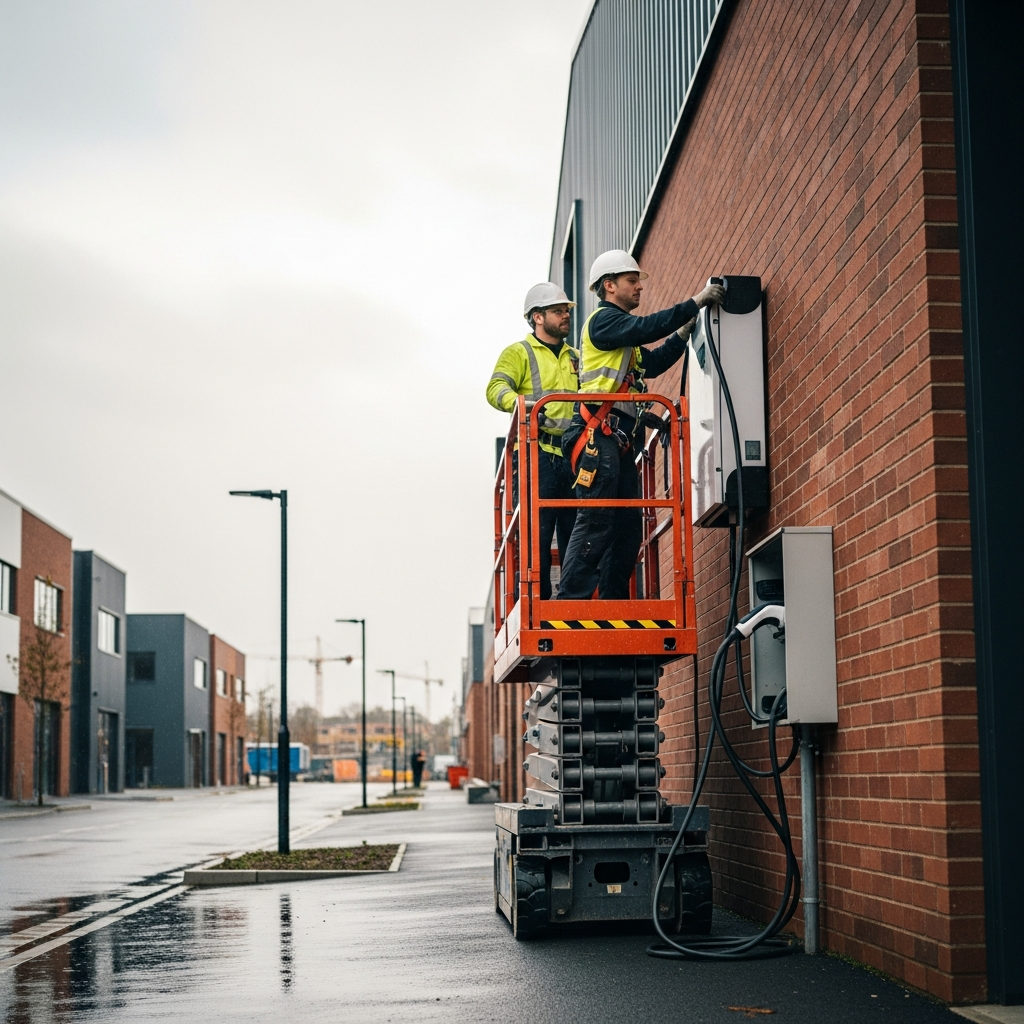
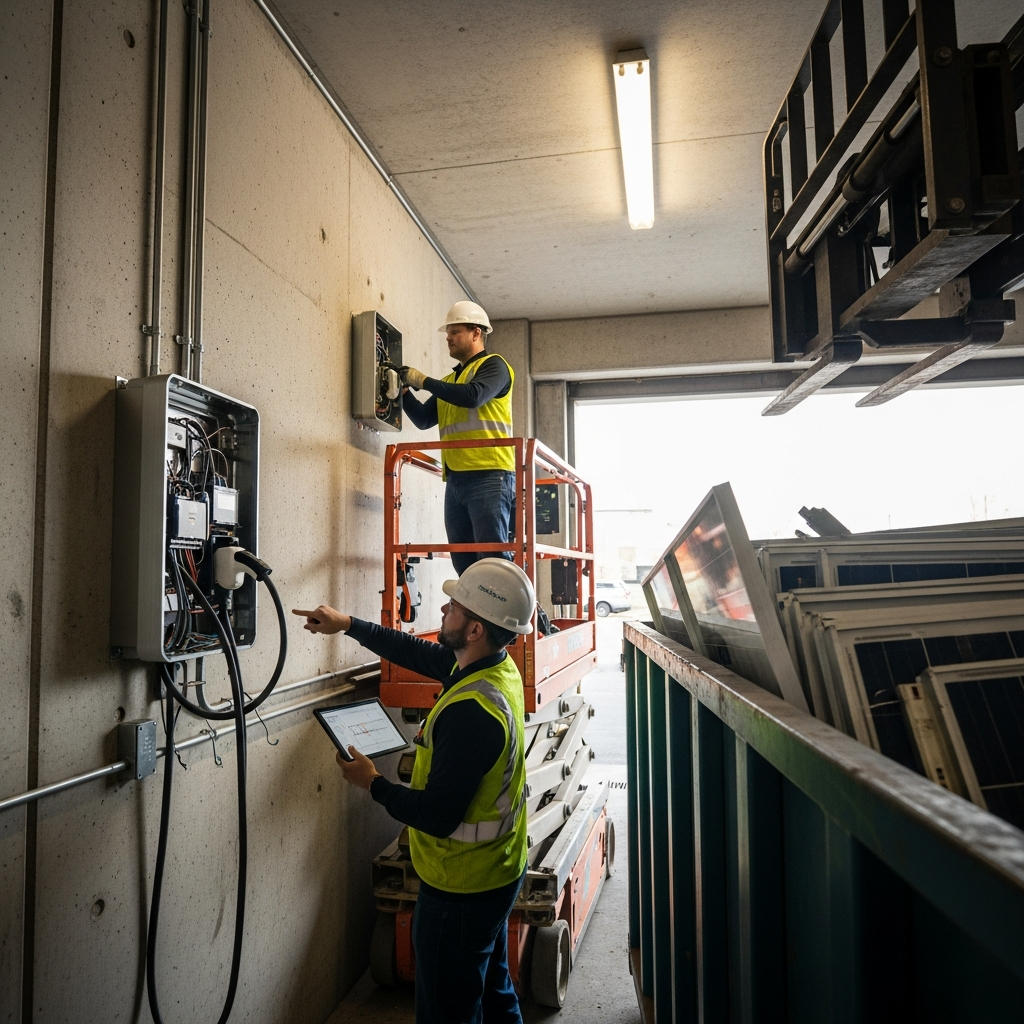
A smarter path is reducing dependence through stronger local electrical infrastructure. That means modern panels, efficient lighting systems, better load planning, EV charging readiness, backup power integration, and electrical upgrades that support solar and battery storage when the site is ready. For commercial buildings, electrical planning is no longer just maintenance. It is part of risk management.
Residential owners feel this too through higher utility costs and less predictable energy bills, but the biggest impact lands on commercial operations that cannot afford downtime.
The hard truth is this: temporary tax relief can look helpful, but it can also delay the deeper investment needed to build energy resilience. If we keep treating symptoms instead of the system, businesses will keep absorbing the real cost later.
steelcityelectricfl.com/commercial-electrical-panel-installation-upgrades-blog