Cutting fuel excise feels good at the pump, but it’s a sugar hit, not a strategy. The real risk is bigger: every time fuel prices spike or import supply tightens, Florida businesses pay the price fast.
For commercial buildings, warehouses, retail centers, and industrial sites, imported fuel dependency affects more than fleet costs. It drives up generator runtime costs, hits delivery schedules, pressures operating budgets, and exposes weaknesses in outdated electrical systems. If your business relies on diesel backup, old lighting, inefficient panels, or poor load management, you’re more exposed than you think.
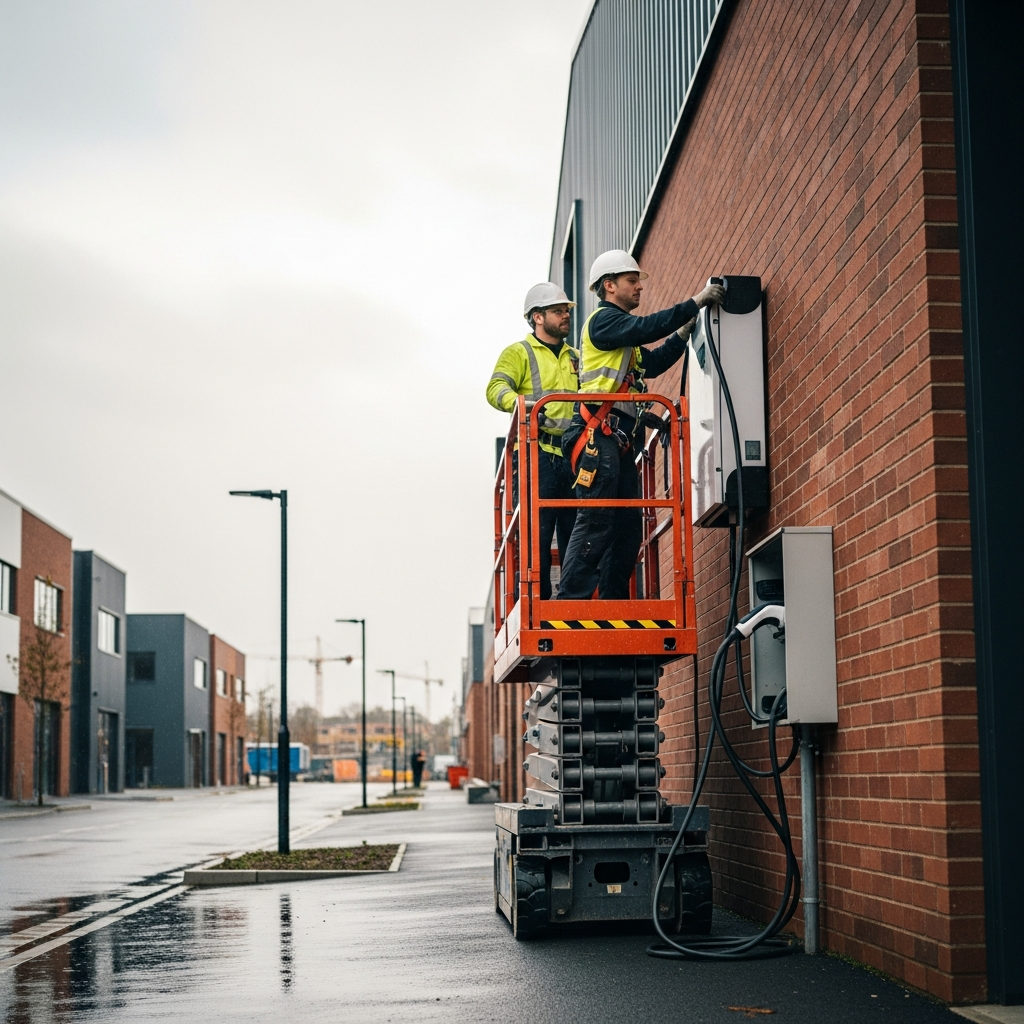
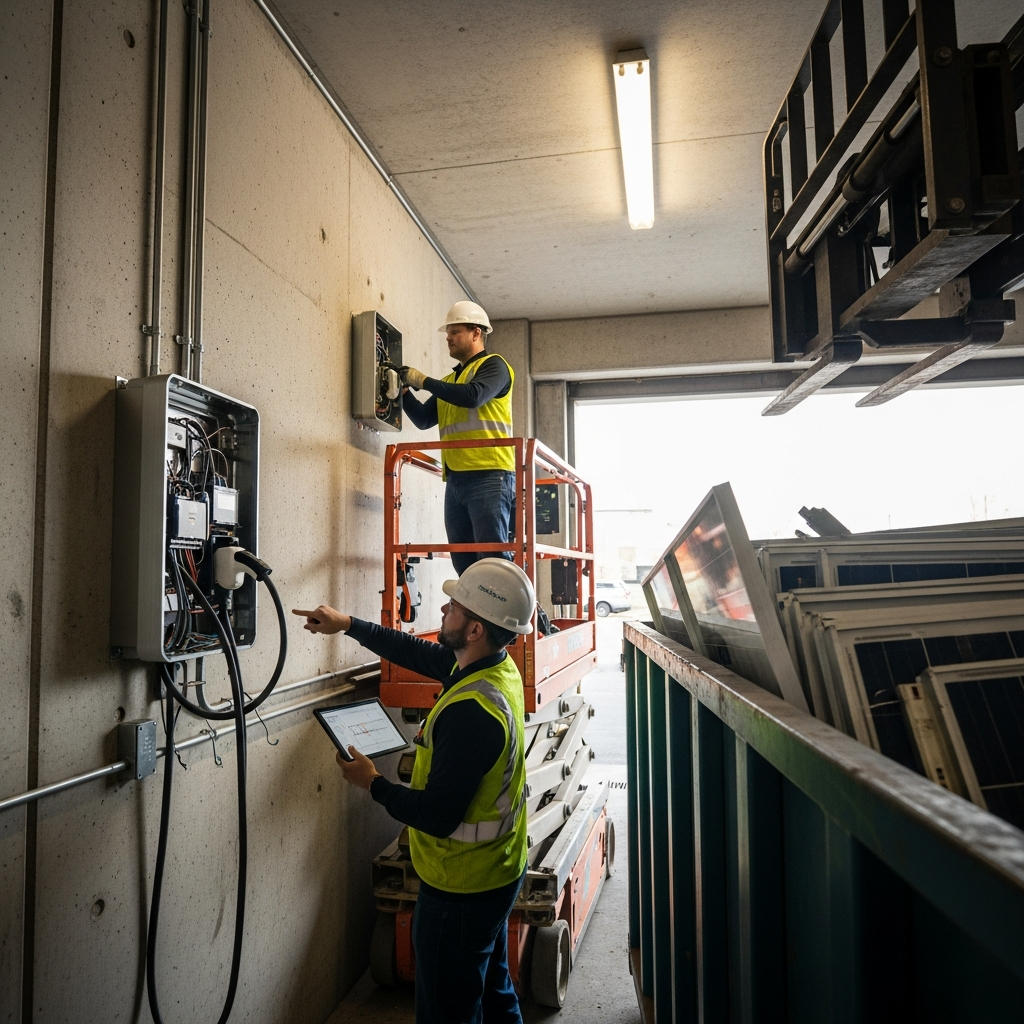
The smarter plan is reducing how much imported fuel your property needs in the first place. That means upgrading commercial electrical infrastructure, improving energy efficiency, modernizing switchgear, installing LED lighting, planning for EV charging, and building systems that can handle smarter energy use. In many facilities, electrical improvements are no longer just maintenance work. They are business protection.
Residential properties feel fuel costs too, especially with rising commuting and home backup expenses, but the bigger story is commercial. Businesses carry the operational risk, and that risk flows through the whole local economy.
Short-term tax cuts may ease the pain for a moment, but they don’t fix dependence. If we keep treating energy security like a temporary pricing problem, we’ll keep getting hit by the same crisis in different packaging.
steelcityelectricfl.com/commercial-electrical-panel-installation-upgrades-blog