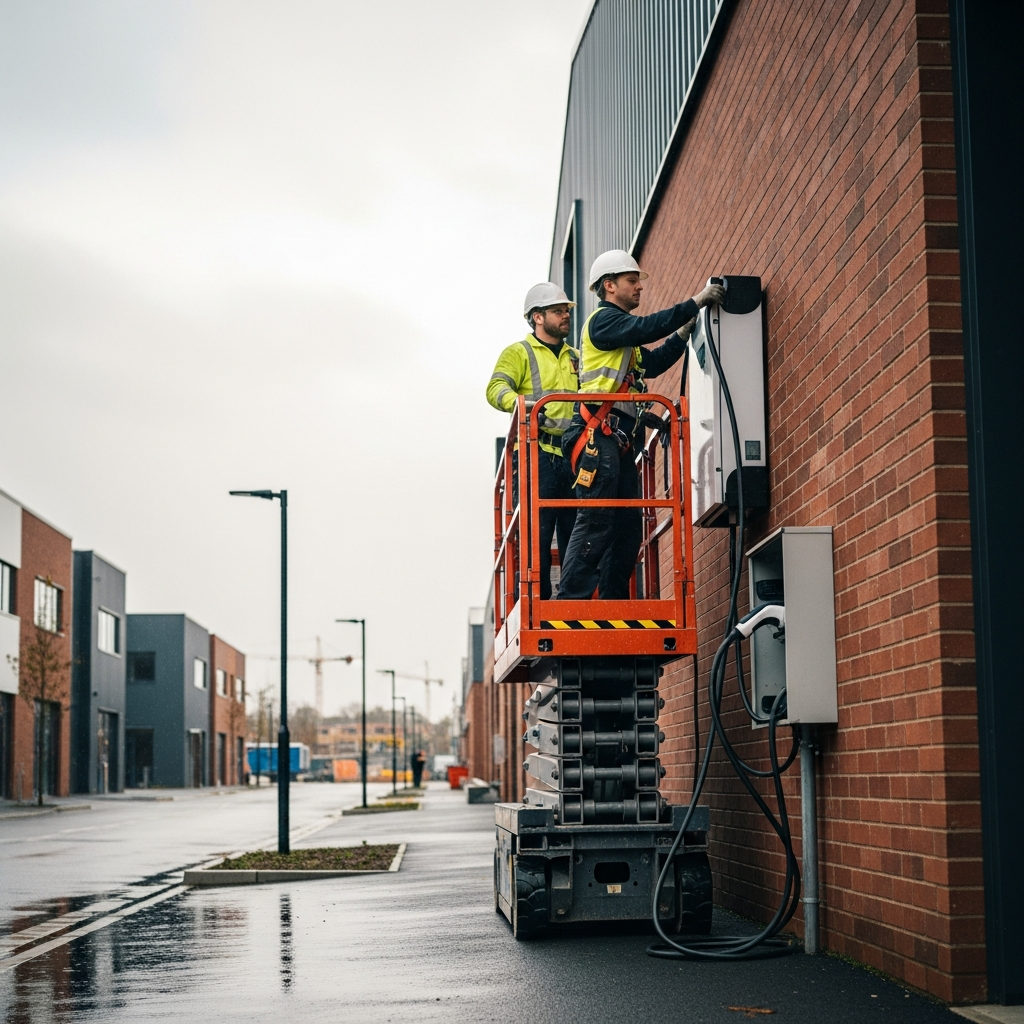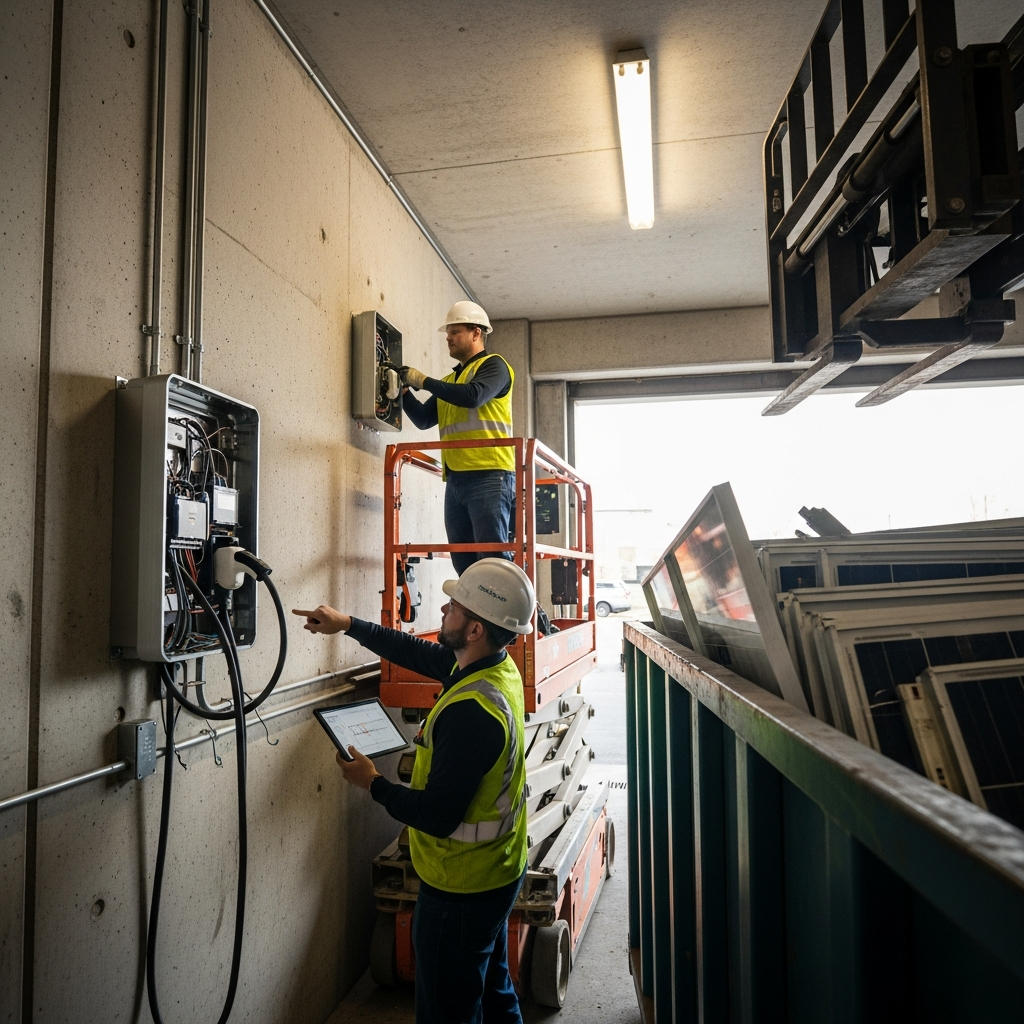
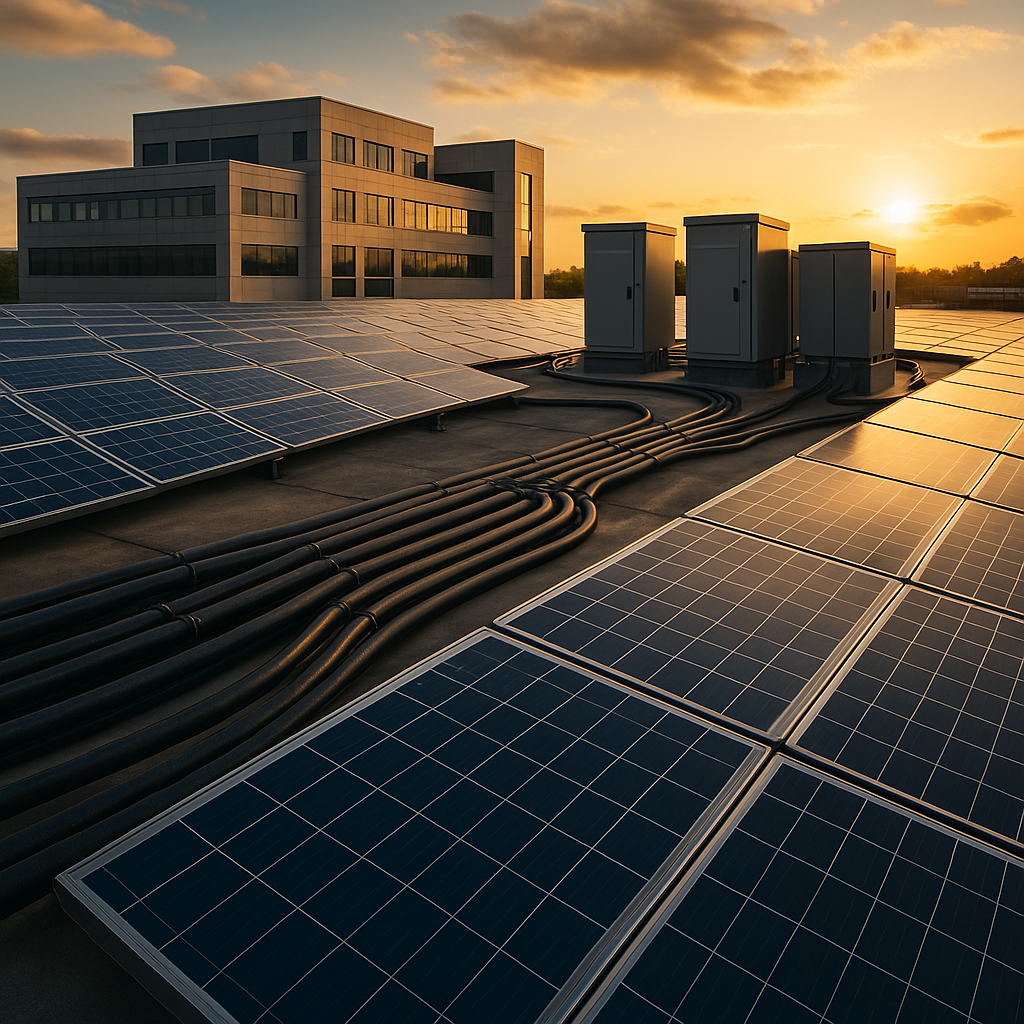
Bad news: the road to “all electric” is not a smooth upgrade. In the UK, the data shows a hard truth—power demand is shifting faster than many buildings are ready for.
Charts tracking electric vehicles, heat pumps, and grid demand all point in the same direction: more electrical load, more complexity, and more pressure on aging systems. For commercial buildings, that matters now. Offices, warehouses, retail sites, schools, and medical facilities are adding chargers, electric HVAC equipment, battery systems, and smarter controls. Each one changes the load profile, panel capacity, and distribution design.
The risk is not just higher utility use. It is bottlenecks, nuisance tripping, poor power quality, and expensive retrofits when infrastructure was never sized for this kind of demand. A building can look fine on paper and still struggle once EV charging, electrified heating, and added tenant equipment start running at the same time.
Residential demand is part of the story too, especially as homes add chargers and electric appliances. But commercial properties carry the heavier burden because the loads are larger, the schedules are tighter, and downtime costs more.
The charts make one thing clear: electrification is not only about adding equipment. It is about whether the electrical backbone can handle what is coming. Buildings that ignore that reality may find out too late that going electric is easy to promise and hard to power.
steelcityelectricfl.com/commercial-electrical-panel-installation-upgrades-blog