Slashing fuel excise might feel like relief, but it’s a sugar hit. It does nothing to fix the real risk: businesses are still exposed to volatile imported fuel, rising operating costs, and supply shocks they can’t control.
For commercial properties, that’s a serious problem. Warehouses, office buildings, retail centers, medical facilities, and industrial sites all depend on steady, affordable power to keep doors open and equipment running. When energy costs spike, margins shrink fast. Backup generators help in emergencies, but they still rely on fuel that may become expensive or hard to get.
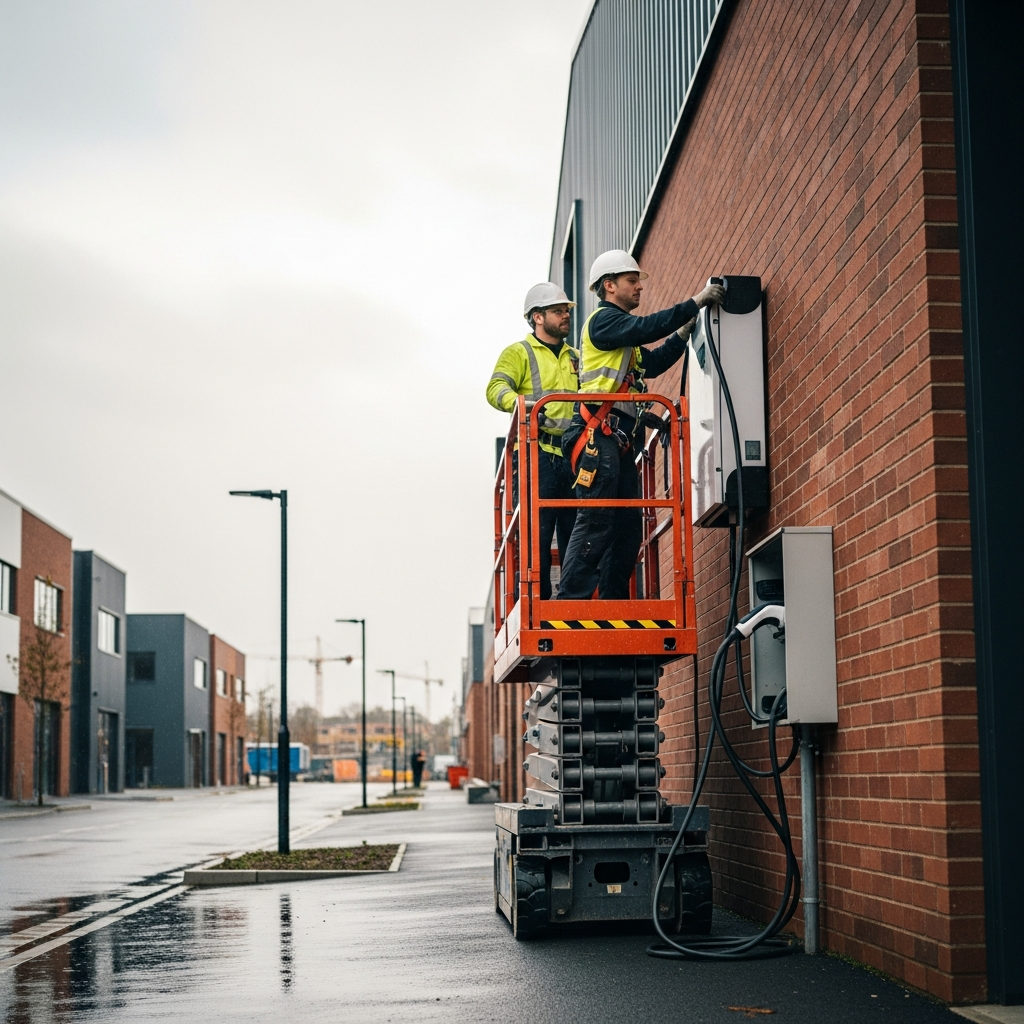
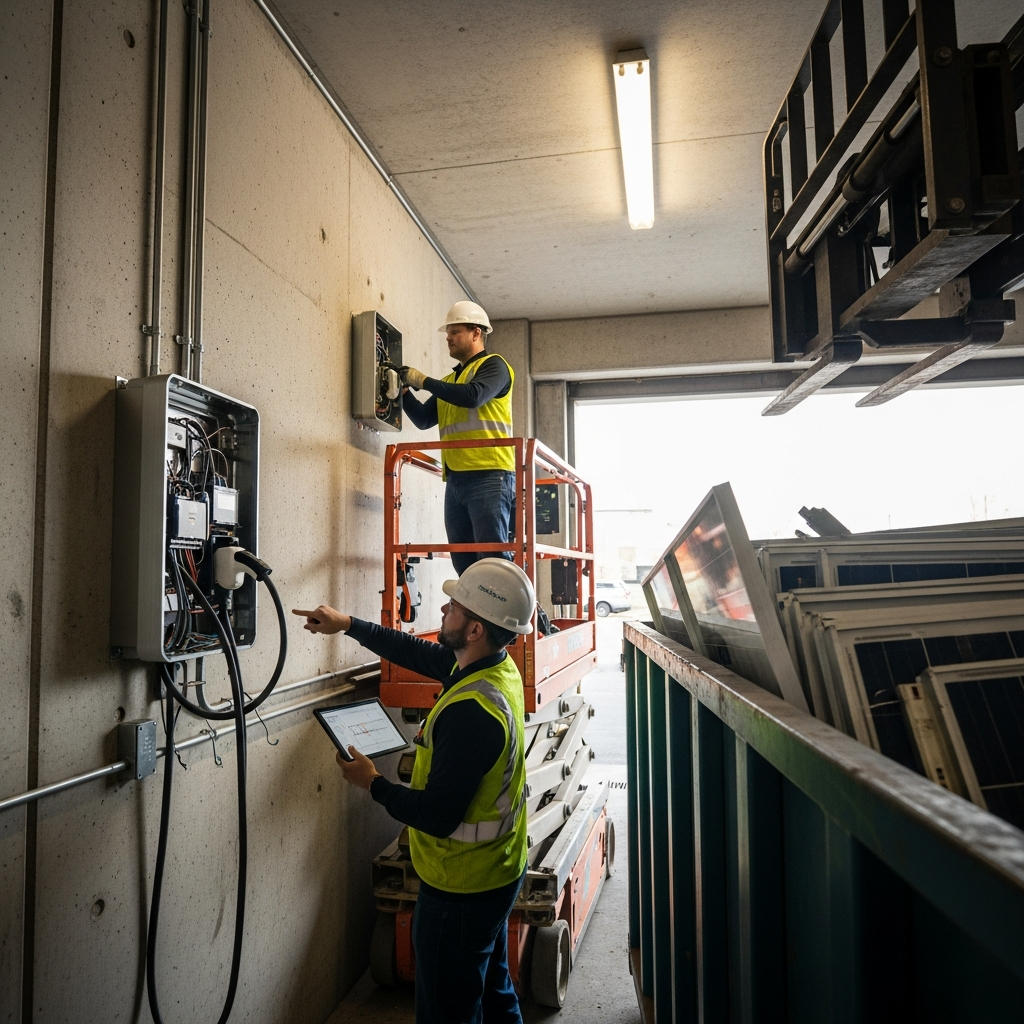
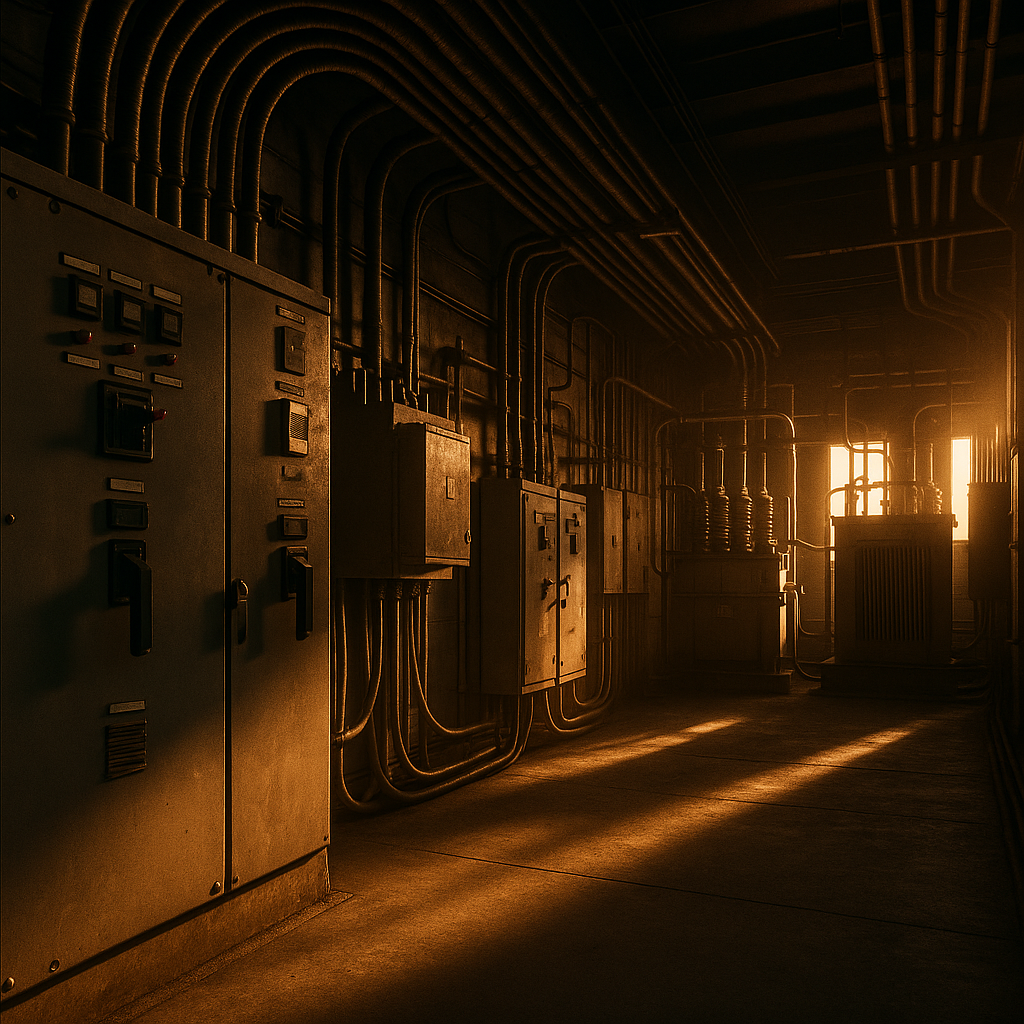
The smarter long-term move is reducing dependence on imported energy wherever possible. That means upgrading electrical infrastructure, improving energy efficiency, planning for electrified equipment, and building systems that can handle modern loads without waste. Stronger panels, smarter controls, LED retrofits, EV-ready capacity, and resilient power distribution all help commercial buildings operate with less risk and more predictability.
Residential homes feel energy pressure too, but commercial buildings carry a much bigger financial hit when power costs become unstable. One outage, one delay, or one sharp jump in fuel pricing can affect tenants, customers, inventory, and productivity all at once.
Short-term tax cuts may win headlines, but they won’t build resilience. Businesses that ignore their energy dependence today may be the first to feel the pain when the next supply disruption hits.
steelcityelectricfl.com/commercial-electrical-panel-installation-upgrades-blog