Bad news: when fuel gets tight, power doesn’t just get expensive — it gets political.
India’s gas shortage is a warning shot for every market betting big on energy-hungry growth. As natural gas gets pulled toward essential industrial demand, everything else starts competing for what’s left. That includes data centers, which need massive, nonstop power, and manufacturers like those producing dal-processing equipment, food systems, refrigeration, and packaging lines. When the grid gets squeezed, “business as usual” disappears fast.
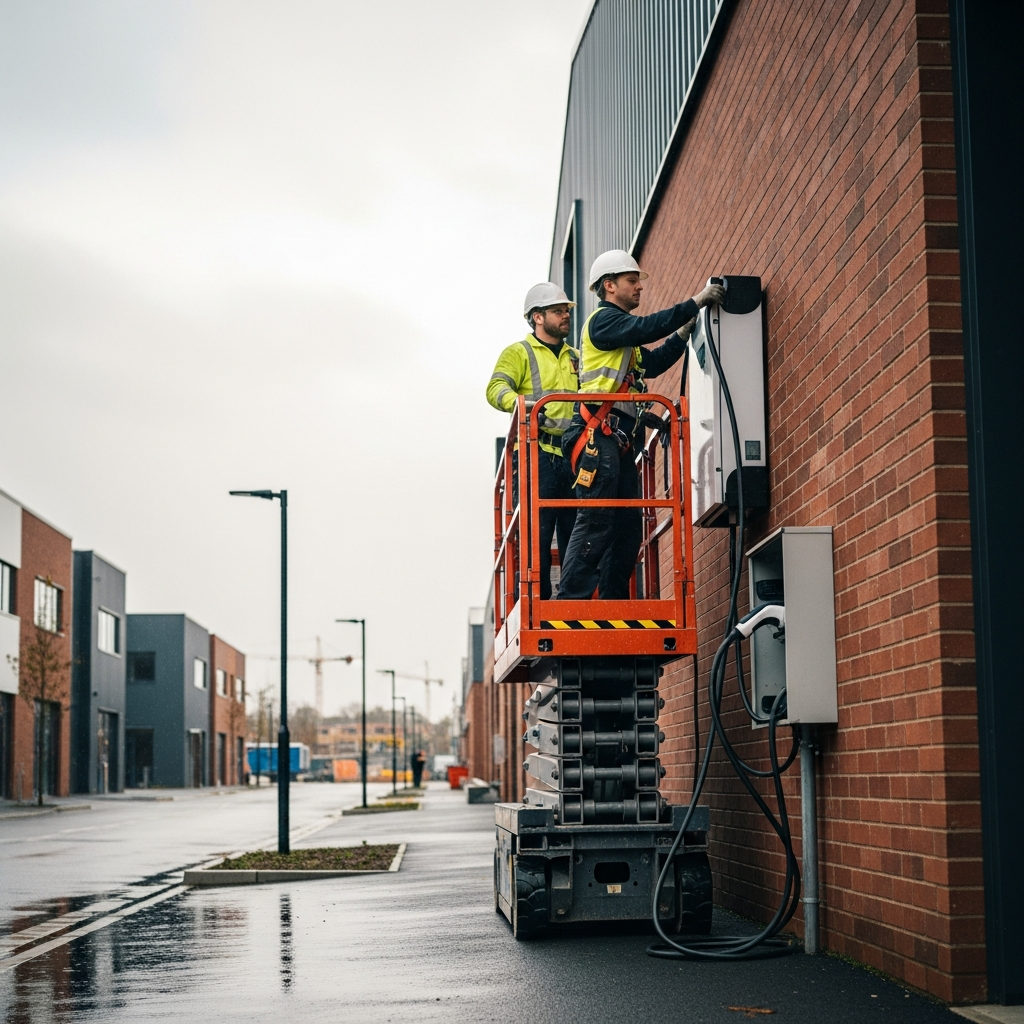
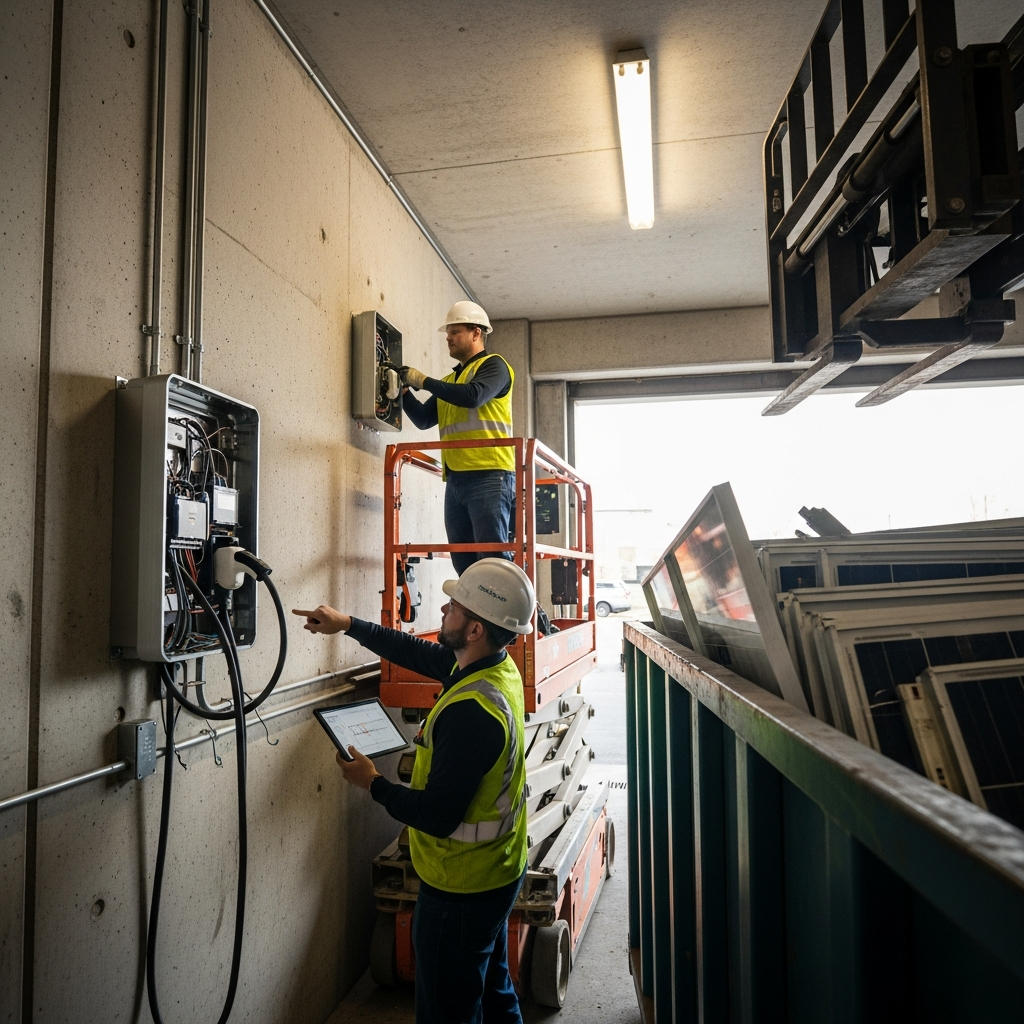
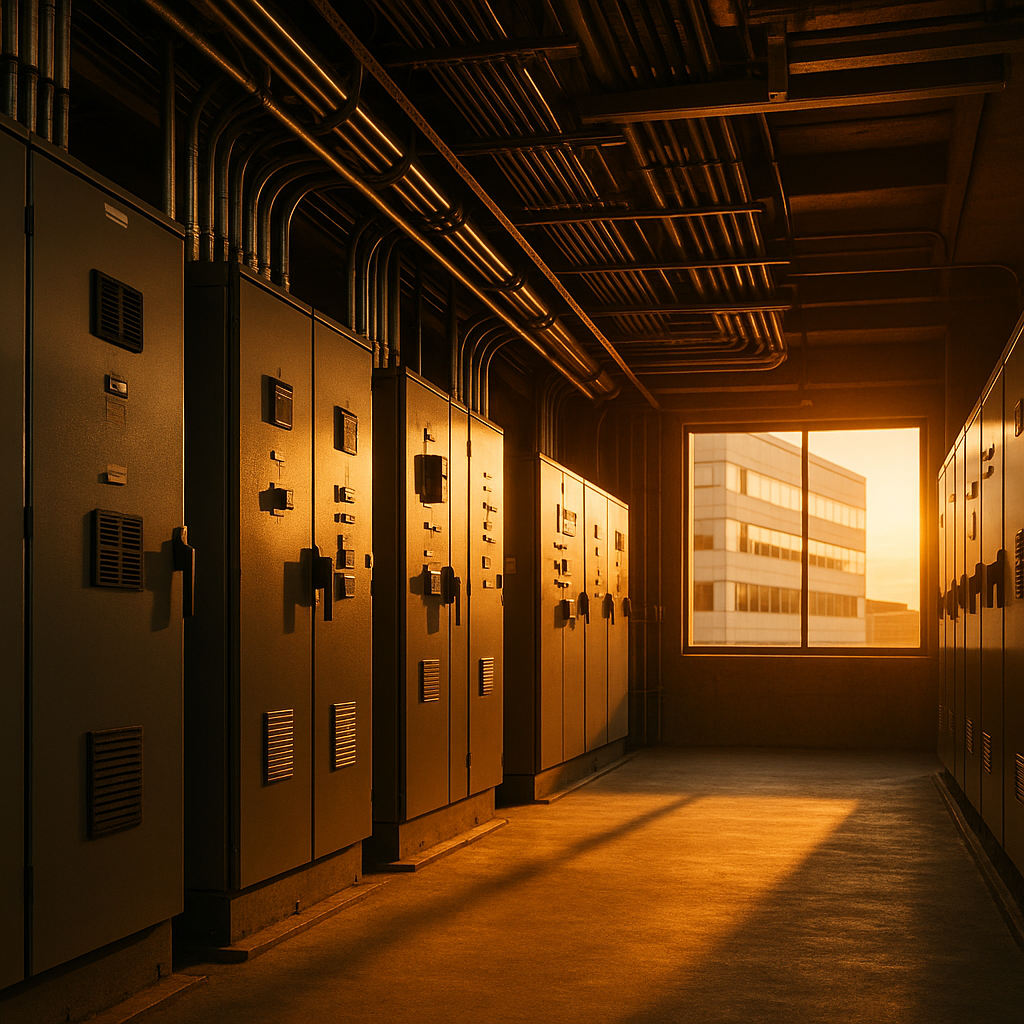
For commercial buildings, this matters more than most owners realize. If energy supply gets unstable, demand charges rise, backup generation gets more important, and electrical infrastructure stops being something you can ignore until it breaks. Facilities with weak distribution planning, undersized panels, limited generator capacity, or no load prioritization are the first to feel the pain. Critical systems need to be separated, monitored, and protected before shortages turn into downtime.
Even here in Florida, the lesson is clear: commercial electrical strategy now has to account for fuel volatility, utility constraints, and growing power demand from tech and industrial users at the same time. Businesses that treat electrical capacity like a fixed resource may get caught flat-footed.
Residential customers may notice higher bills. Commercial operators could face something worse: interrupted operations, delayed production, and real revenue loss.
The hard truth is simple — when energy gets scarce, the best-wired buildings win.
steelcityelectricfl.com/commercial-electrical-panel-installation-upgrades-blog