Bad news: in Florida heat, a shaded bench is no longer enough. Public spaces that don’t plan for cooling become empty, unsafe, and expensive to maintain.
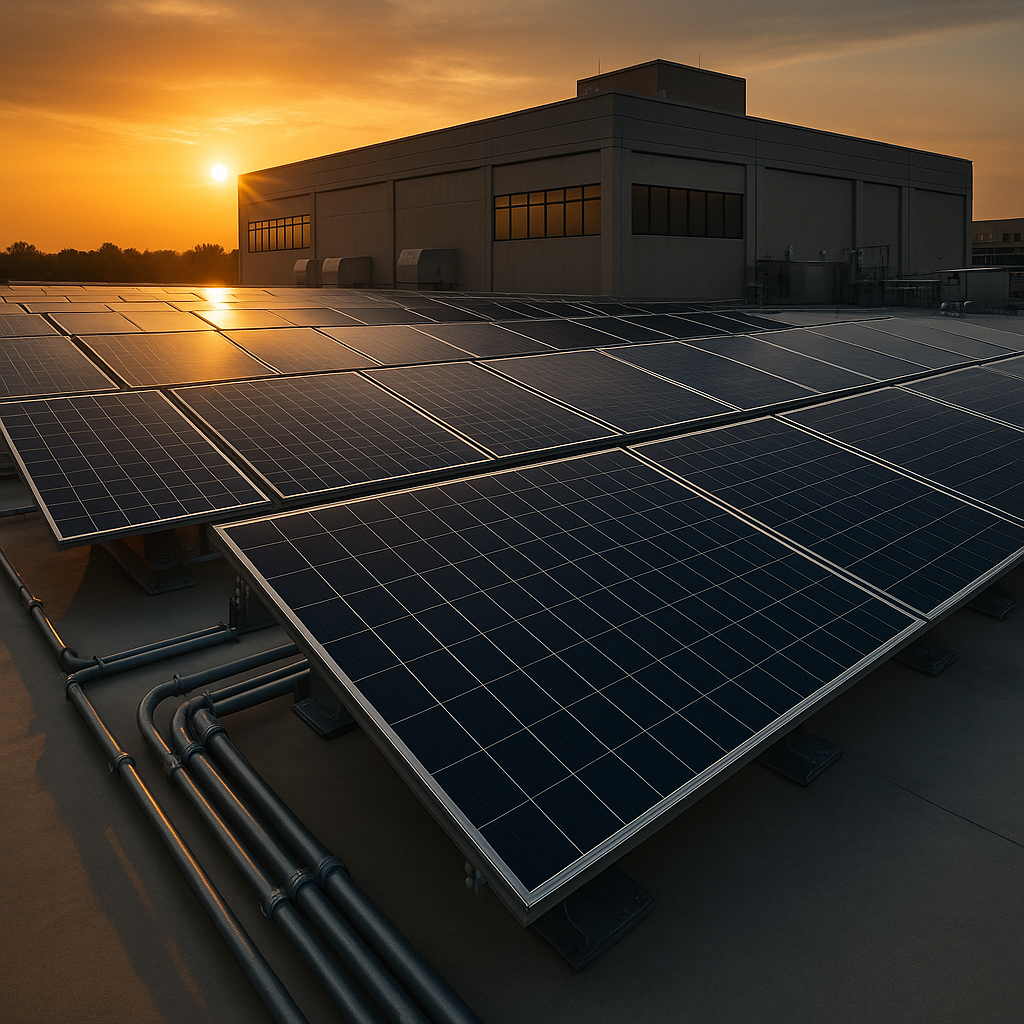
That’s why these 4 solar pavilion concepts matter. They show how public cooling can work without driving utility costs through the roof.
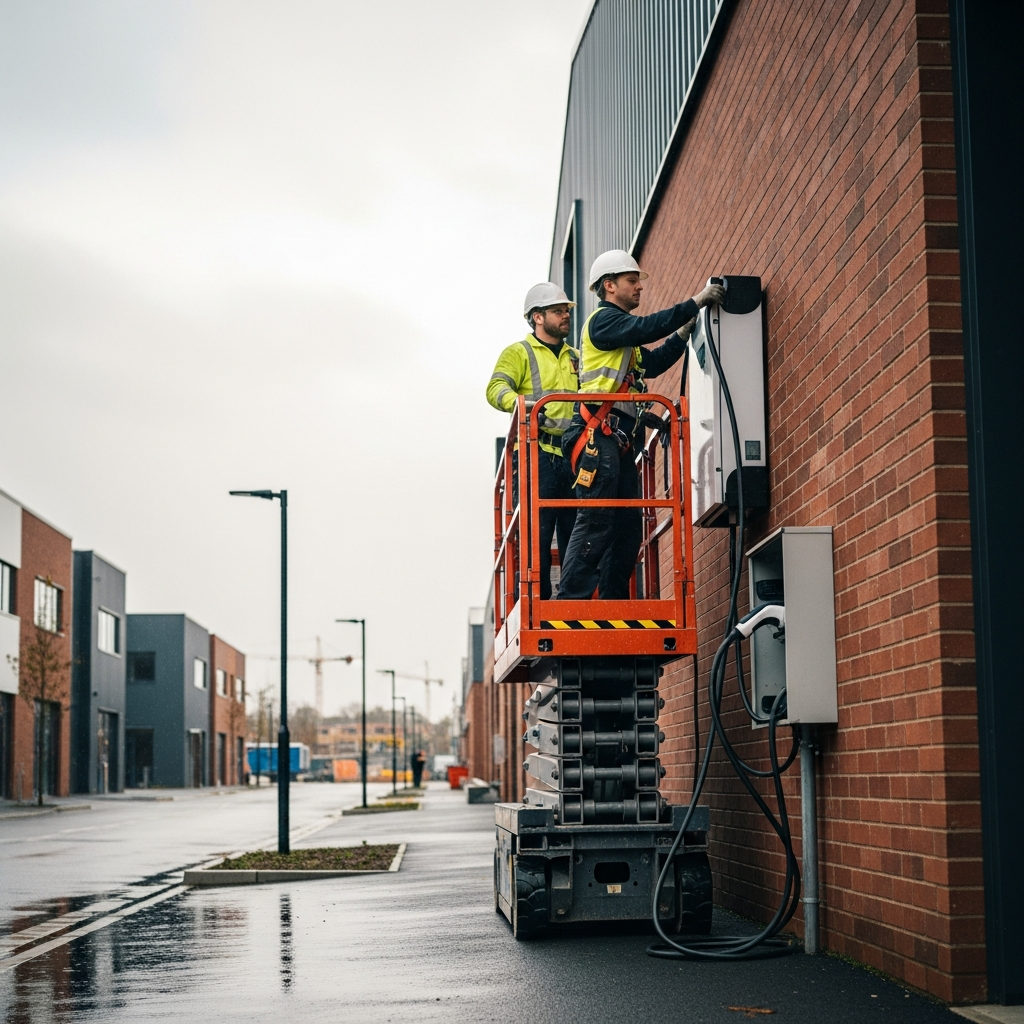
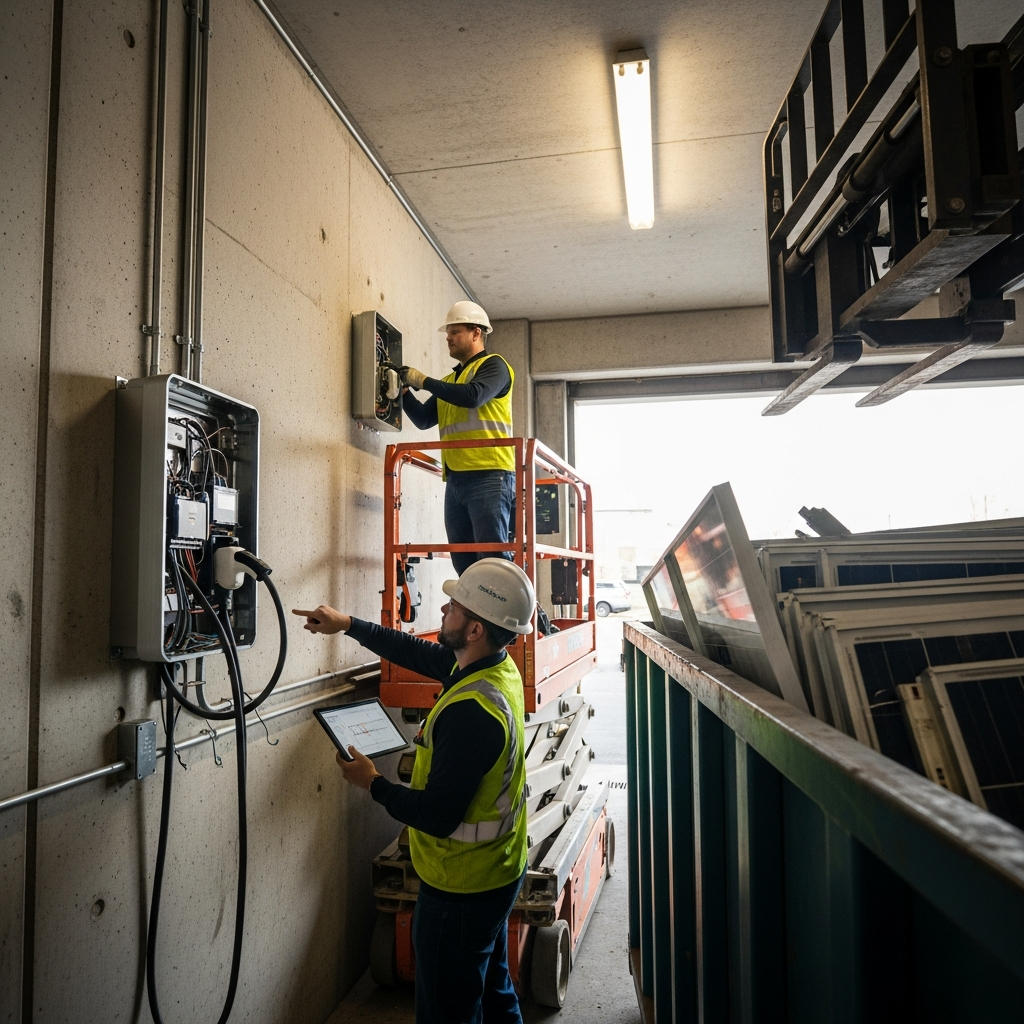
What makes them powerful is not just the solar panels. It’s the electrical design behind them. A real cooling pavilion needs more than rooftop generation. It needs properly sized distribution, weather-rated equipment, battery storage in some cases, lighting, controls, ventilation, and safe integration with the rest of the site. If it includes fans, device charging, water stations, Wi-Fi, security cameras, or emergency lighting, that electrical scope gets even more important.
For cities, schools, parks, retail centers, and mixed-use properties in Manatee, Sarasota, and Hillsborough counties, this is where commercial electrical planning decides whether a pavilion is a smart asset or a maintenance problem. Solar has to be matched with real load demand, hurricane durability, corrosion resistance, and code-compliant installation. Otherwise, the “free cooling” idea falls apart fast.
Residential solar gets most of the attention, but public and commercial spaces may benefit even more from solar-powered shade structures because they serve more people, longer hours, and higher-use environments.
The lesson is simple: the panels get the headlines, but the electrical infrastructure determines whether people actually stay cool when it matters most.
steelcityelectricfl.com/commercial-industrial-electrical-installation-blog