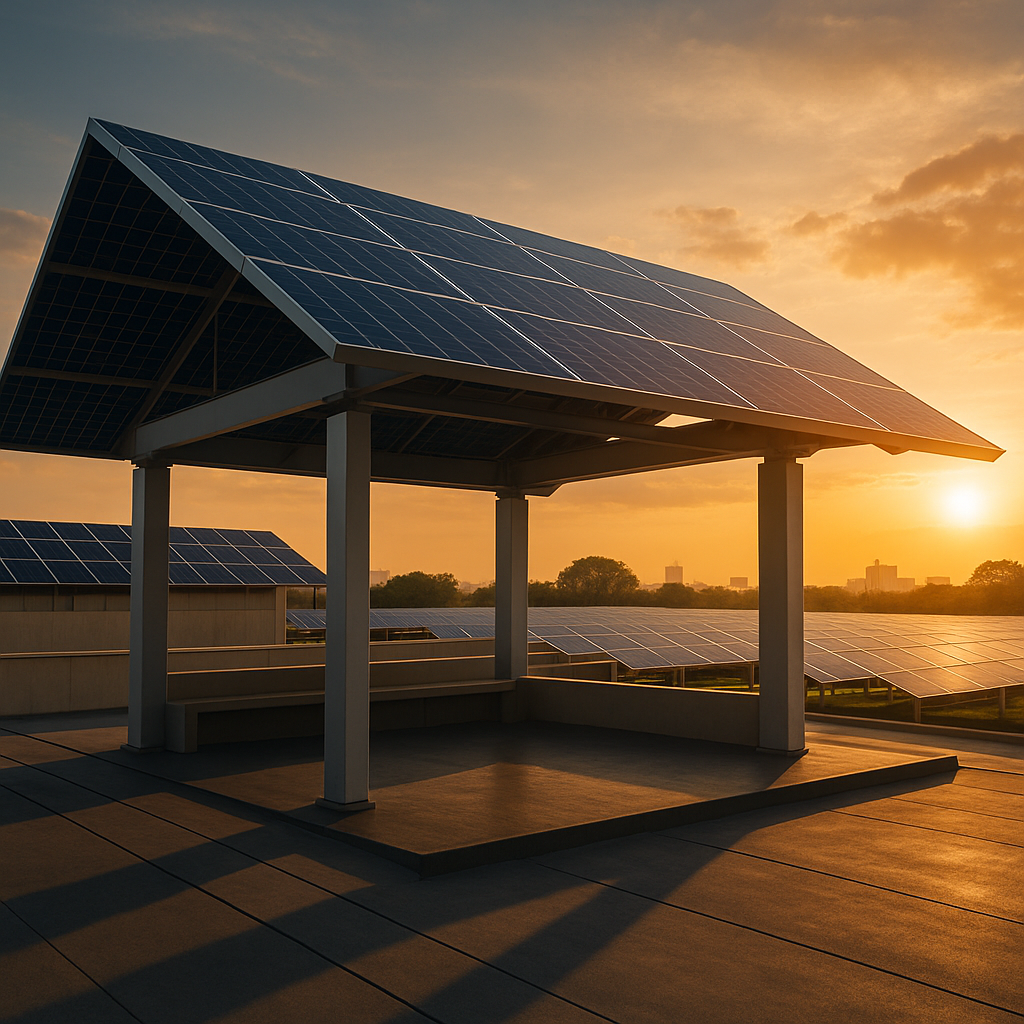
Hot sidewalks, overheated bus stops, and rising utility costs are turning public spaces into no-go zones in Florida. But these 4 solar pavilions prove something important: public cooling does not always need to come with a bigger power bill.
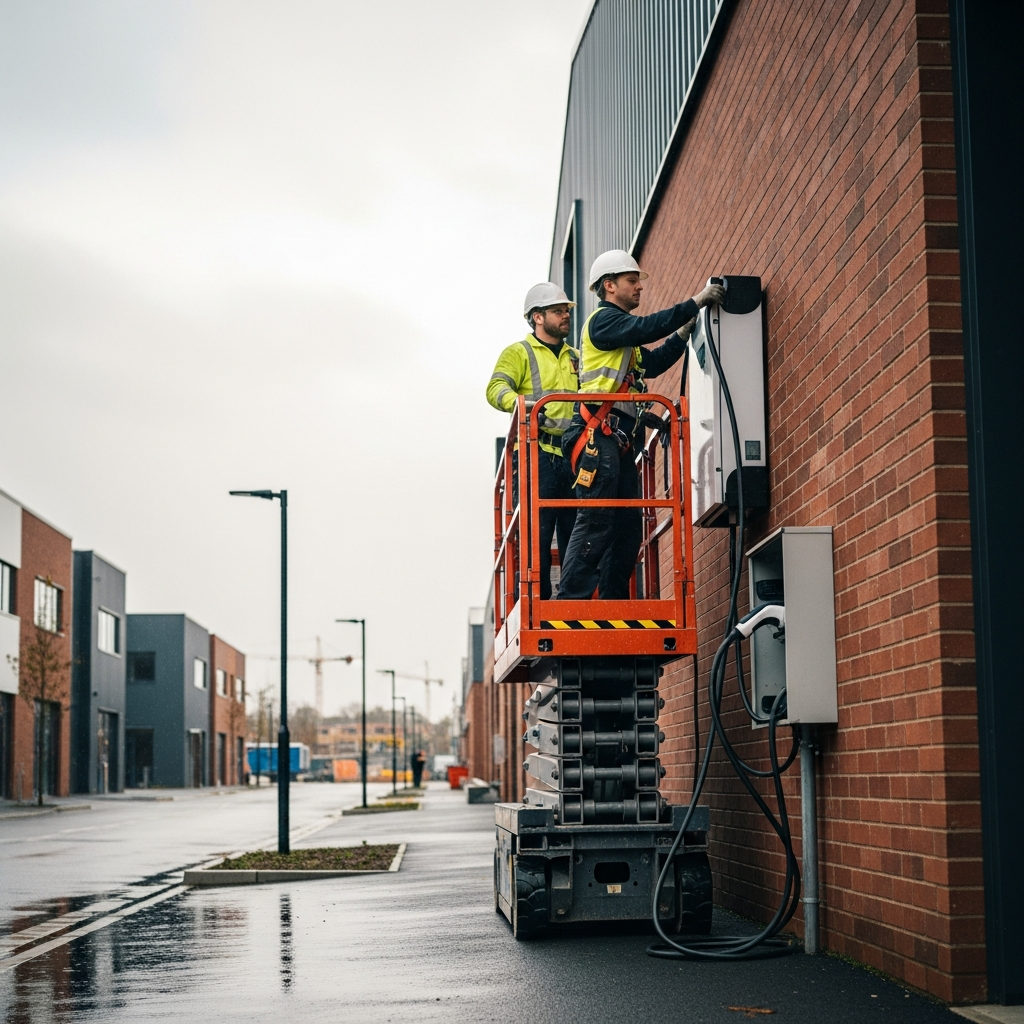
Around the country, solar-powered shade structures are doing more than just blocking the sun. They are generating electricity, powering fans, supporting lighting, and in some cases helping run device charging stations and nearby public amenities. For commercial electrical contractors, that is where the real story starts.
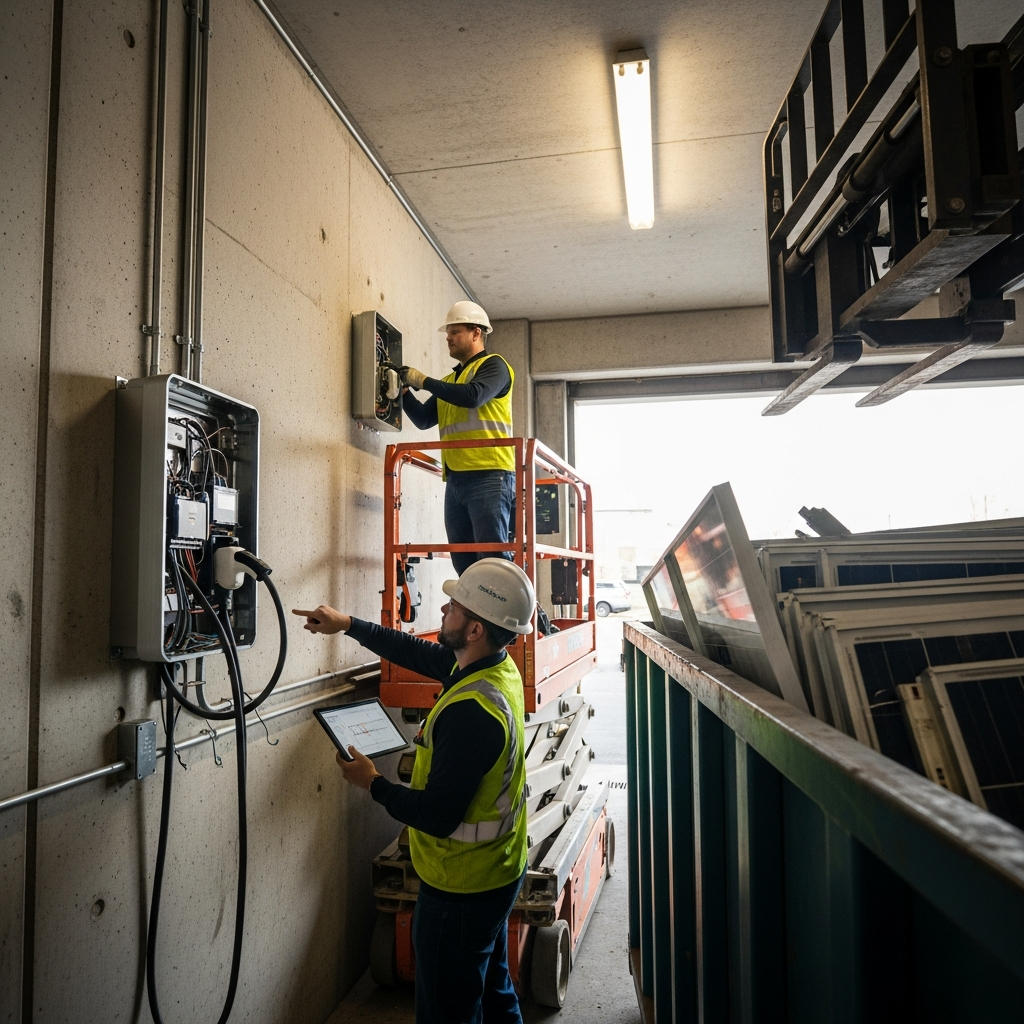
A solar pavilion is not just a “shade canopy.” It is a small power system in a high-use public environment. That means proper panel layout, structural coordination, conduit planning, inverter placement, battery storage options, grounding, and safe distribution to fans, lighting, and controls. If it is in a park, transit area, school campus, or municipal space, it also has to handle weather, corrosion, public access, and long-term maintenance.
The best pavilion projects work because the electrical design is planned from day one, not added after the structure is up. That is especially true in Florida, where heat, storms, and humidity punish weak installation work fast.
The takeaway is simple: free cooling is possible, but only when the electrical infrastructure behind it is built to last. A great-looking pavilion that cannot perform safely in real-world conditions is just expensive shade.
steelcityelectricfl.com/commercial-industrial-electrical-installation-blog