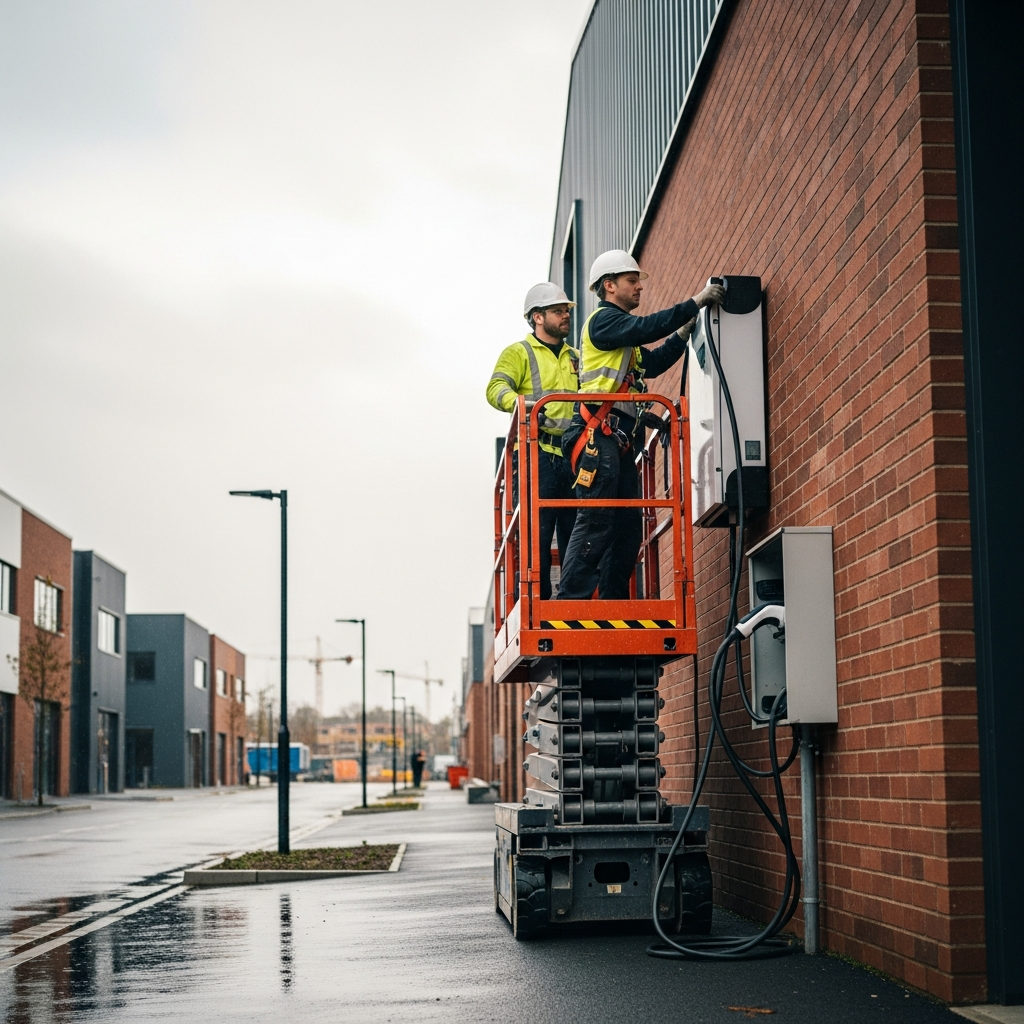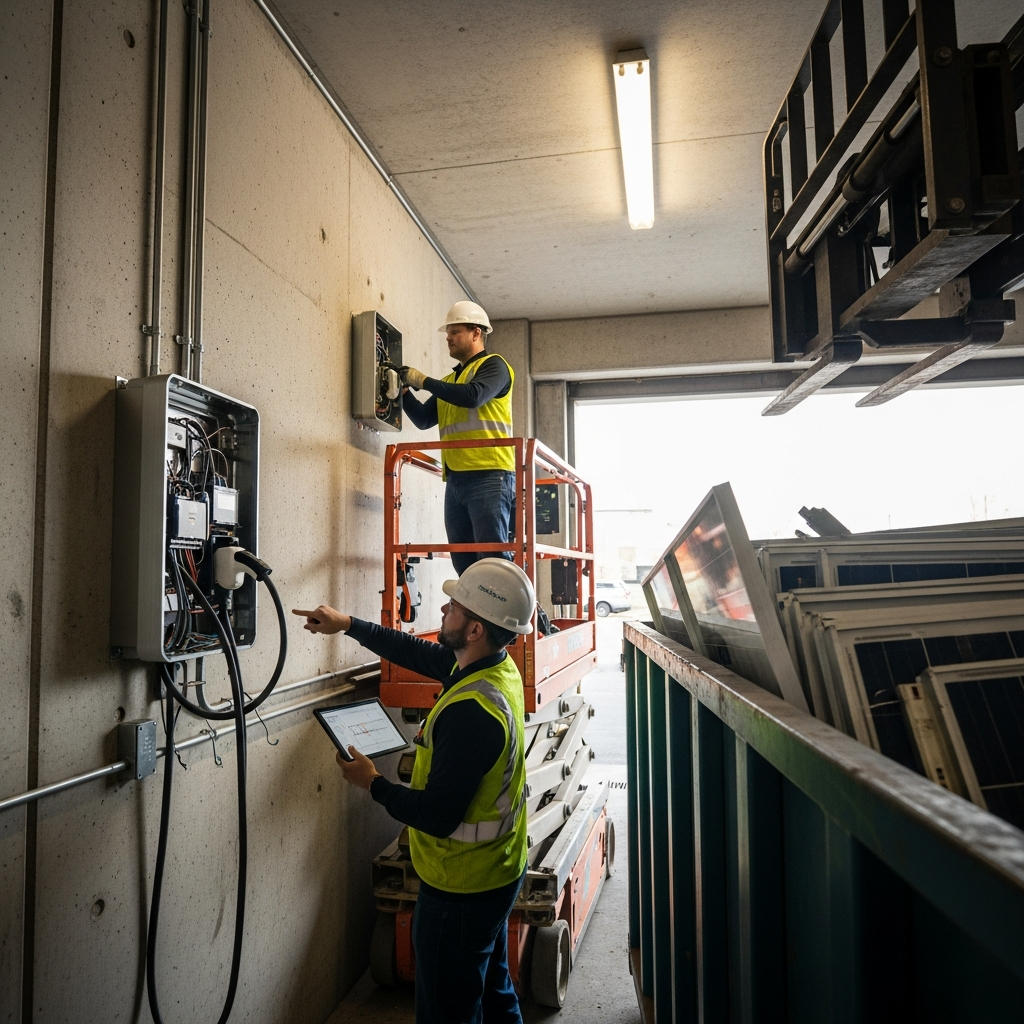

One bad setting in a power-grid model can turn a normal workday into downtime, damaged equipment, or a safety event.
If you’re seeing “power-grid-model 1.13.35” come up in planning, reporting, or system reviews, here’s the real takeaway: the model is only useful if it matches what’s happening in the field. In commercial buildings, that matters a lot. Office parks, warehouses, medical spaces, retail centers, and mixed-use facilities all depend on stable load calculations, clean distribution, and protection settings that react the right way under stress.
A model can help predict capacity issues, fault paths, voltage drop, and backup performance. But if panel schedules are outdated, loads have changed, or equipment was added without full documentation, the model may give a false sense of security. That’s where commercial properties get into trouble. A bad assumption on paper can lead to nuisance trips, overheated gear, poor generator coordination, or hidden weaknesses during storm season.
Residential systems are usually simpler, but even there, load growth from EV chargers, pool equipment, or home additions can create blind spots if the electrical design is based on old information.
The lesson is simple: no software version fixes bad data, rushed updates, or field conditions that were never verified. If the model says everything is fine, but the system tells a different story, trust the warning signs before they become expensive ones.
steelcityelectricfl.com/commercial-electrical-panel-installation-upgrades-blog