The next big delay in data centers isn’t chips—it’s getting enough power to turn the building on.
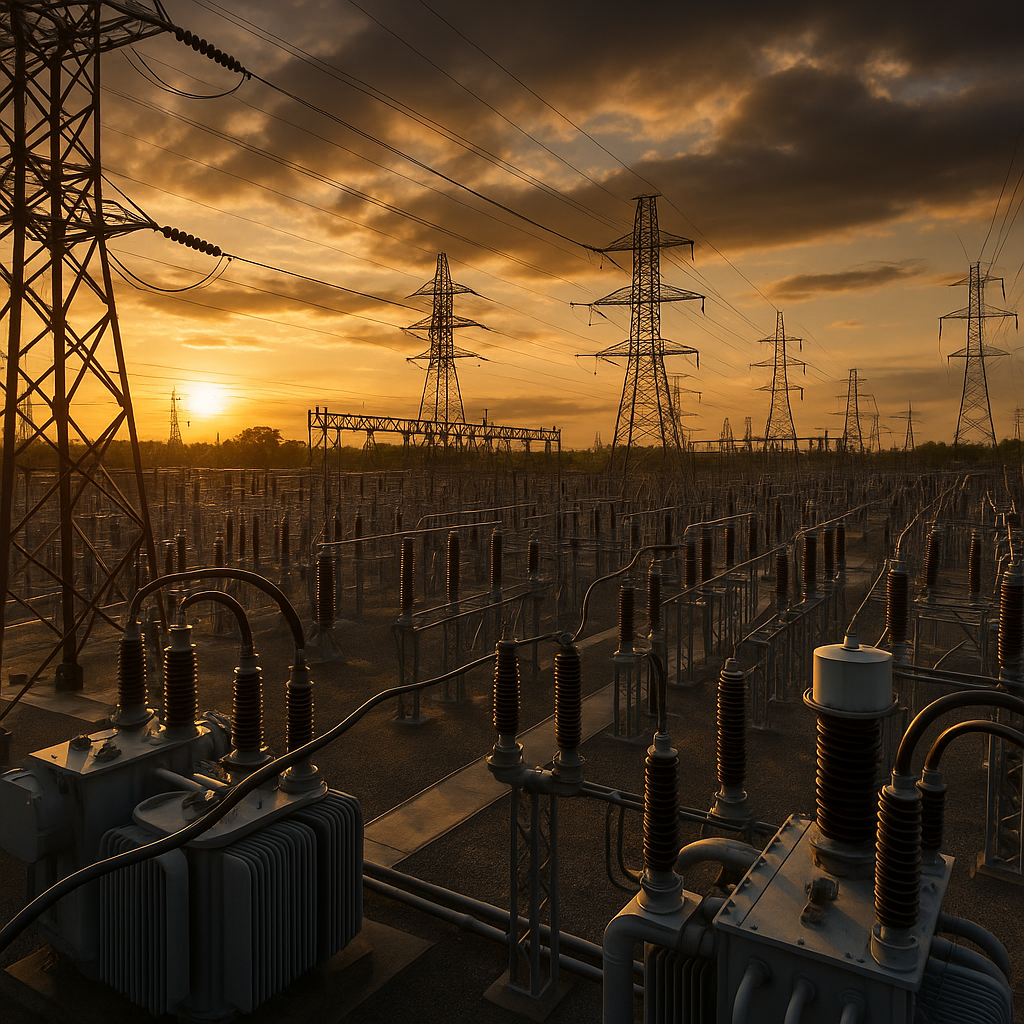
Emerald AI just raised $25 million from Nvidia and other investors to help data centers move faster through the grid connection process. That matters because new facilities are being designed and built faster than many utilities can approve and serve them. In plain English: a project can be ready on paper, but still sit idle waiting for power.
For commercial electrical work, this is a major shift. Data centers are some of the most power-hungry buildings in the market, and every delay at the utility level puts pressure on design, scheduling, switchgear procurement, generator planning, transformers, and service coordination. It also raises the stakes for accurate load studies, phased energization plans, and realistic construction timelines. If the grid can’t keep up, contractors, engineers, and owners have to be far more strategic long before ground is broken.
Even outside hyperscale data centers, this trend should get every commercial developer’s attention. Warehouses, medical buildings, manufacturing sites, and large mixed-use projects are all competing for electrical capacity in growing markets.
Residential projects may feel some impact too, especially where neighborhood infrastructure is already strained, but the biggest pressure is clearly on commercial development.
The warning is simple: in today’s market, electrical capacity is no longer a late-stage checkbox—it’s becoming one of the first risks that can make or break a project.
steelcityelectricfl.com/commercial-industrial-electrical-repair-blog