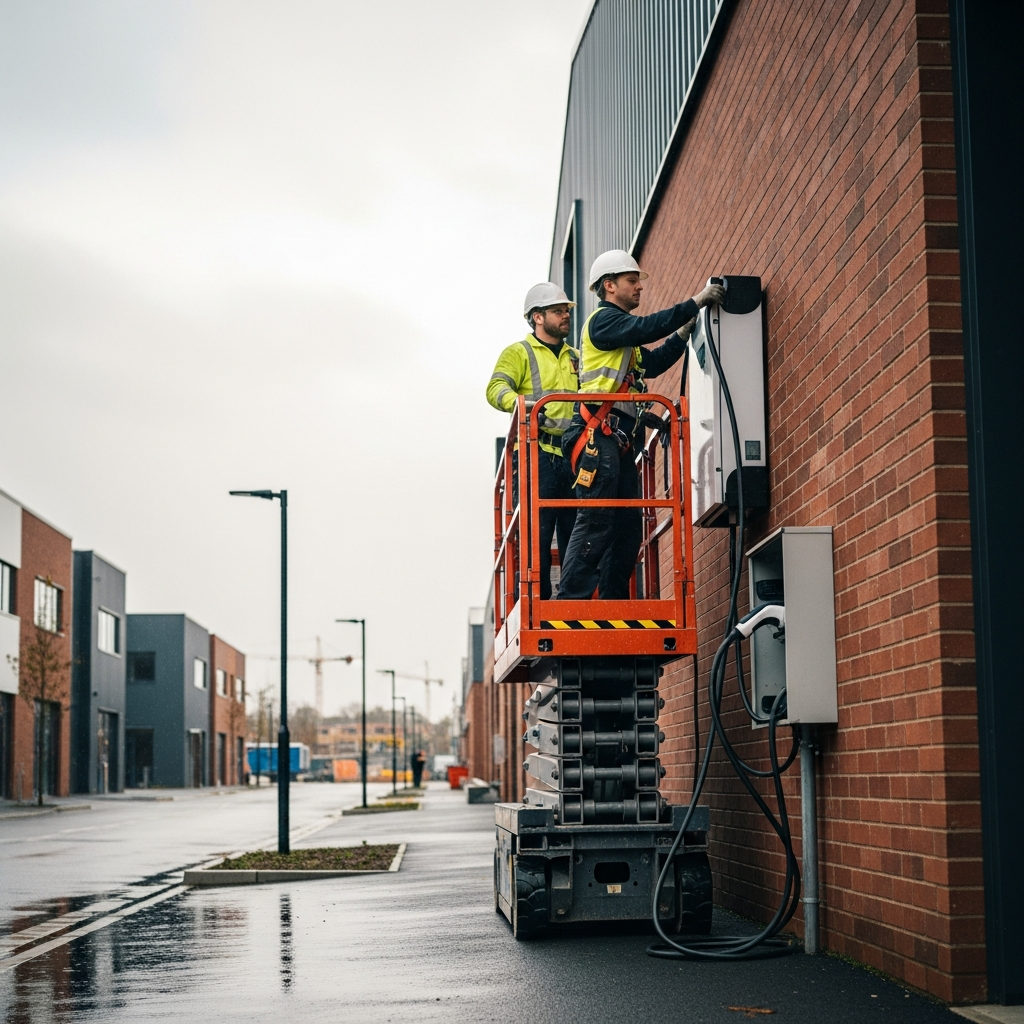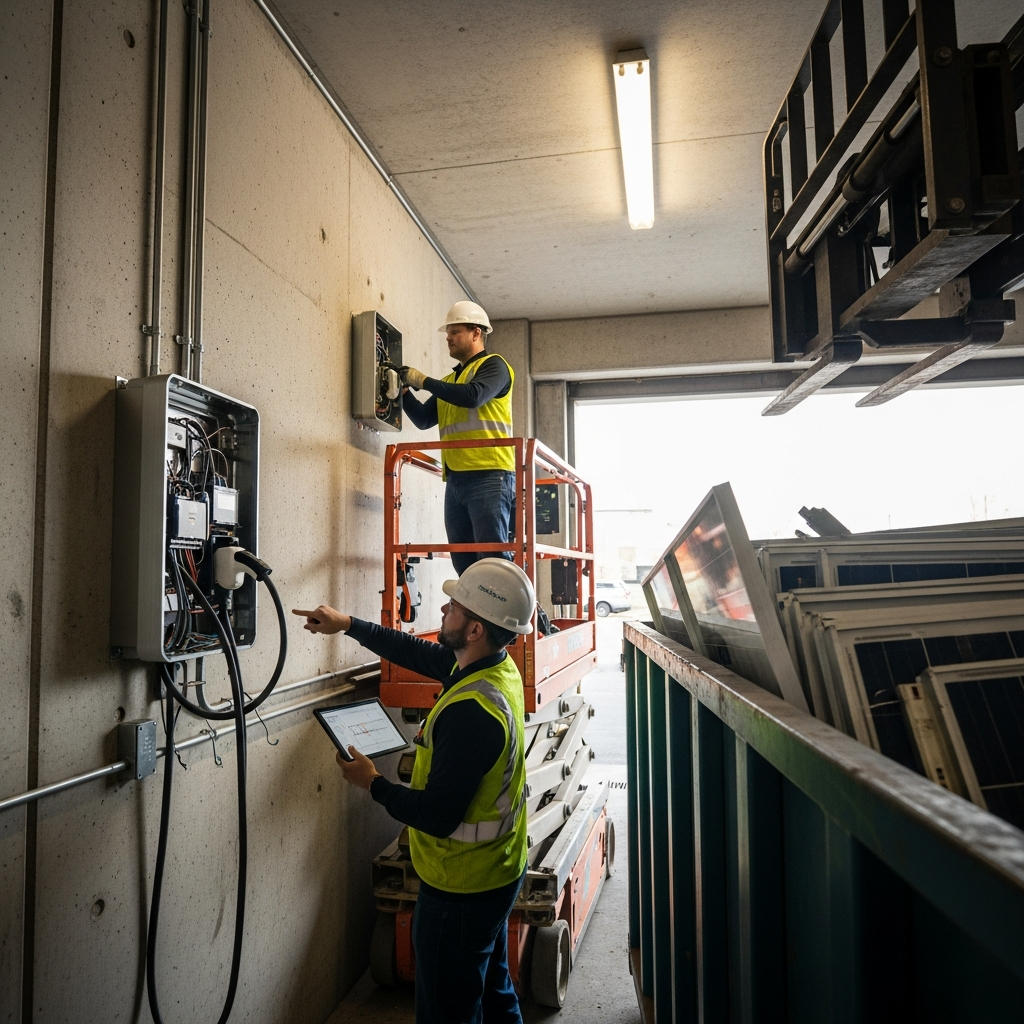
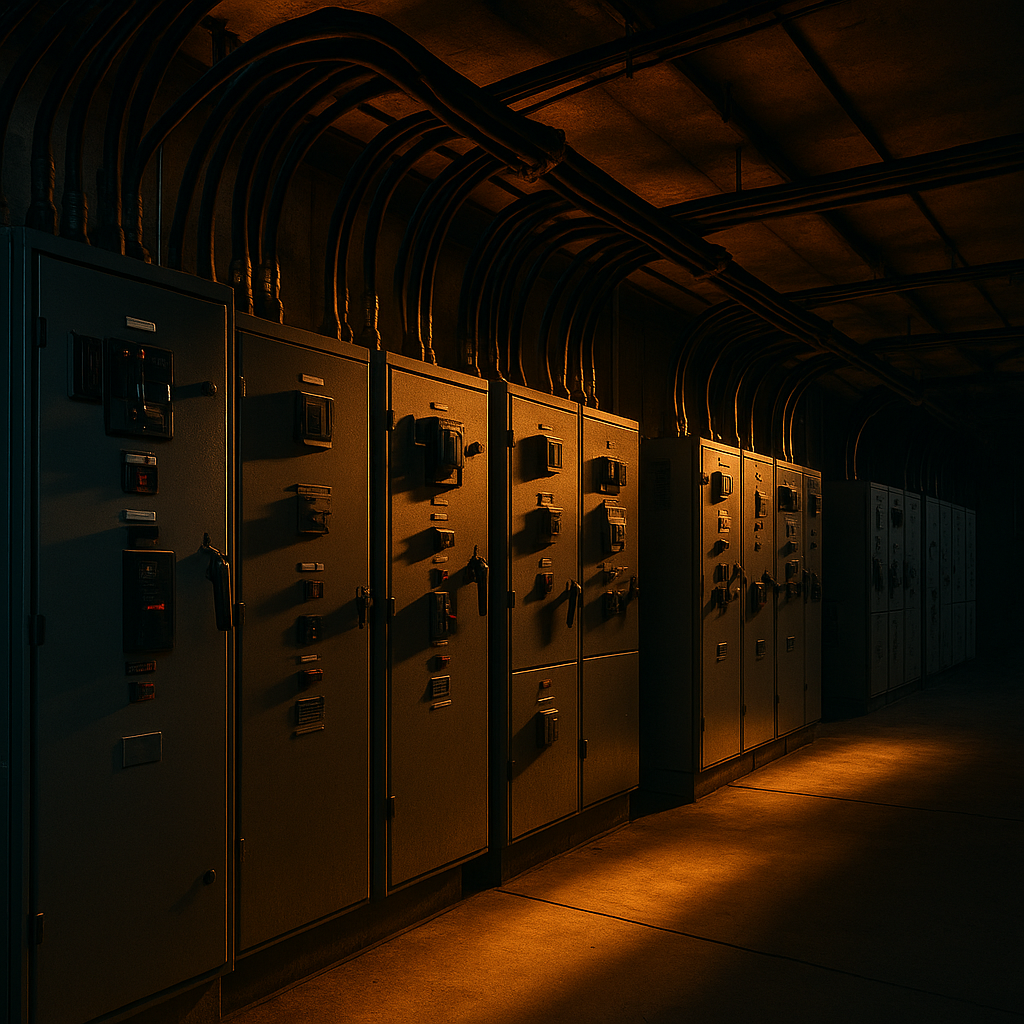
A single bad grid model update can create very real problems in the field: wrong load assumptions, missed fault risks, and protection settings that no longer match actual conditions.
If you work around commercial power systems, that matters. A tool like **power-grid-model 1.13.40** may sound like something only engineers care about, but model accuracy affects real buildings every day. In offices, warehouses, medical facilities, retail centers, and multi-tenant properties, electrical planning depends on clean data and dependable calculations. If the model behind the design is off, panel loads can be misunderstood, backup power performance can be misjudged, and expansion plans can run into expensive surprises.
That is especially important in Florida, where commercial properties deal with storm exposure, high cooling demand, changing tenant loads, and growing pressure on electrical infrastructure. Even a small modeling error can lead to oversized confidence and undersized protection. That is how nuisance trips, overheating equipment, and downtime start showing up when the building is under stress.
Residential systems can feel some of these issues too, especially in larger homes with generators, EV chargers, or added panels. But the biggest impact is usually on commercial sites where one mistake affects operations, inventory, tenants, or public safety.
The lesson is simple: software versions are not just technical housekeeping. When the model changes, assumptions should be checked, because the grid does not forgive guesswork.
steelcityelectricfl.com/commercial-industrial-electrical-repair-blog