A single weak point in the power grid can shut down an entire commercial property faster than most owners realize.
That’s why tools like **power-grid-model 1.13.36** matter. In plain English, grid modeling helps engineers study how power moves through a system before real-world problems hit. For commercial buildings, that means better planning for load demand, backup power, panel capacity, voltage drop, and fault risks.
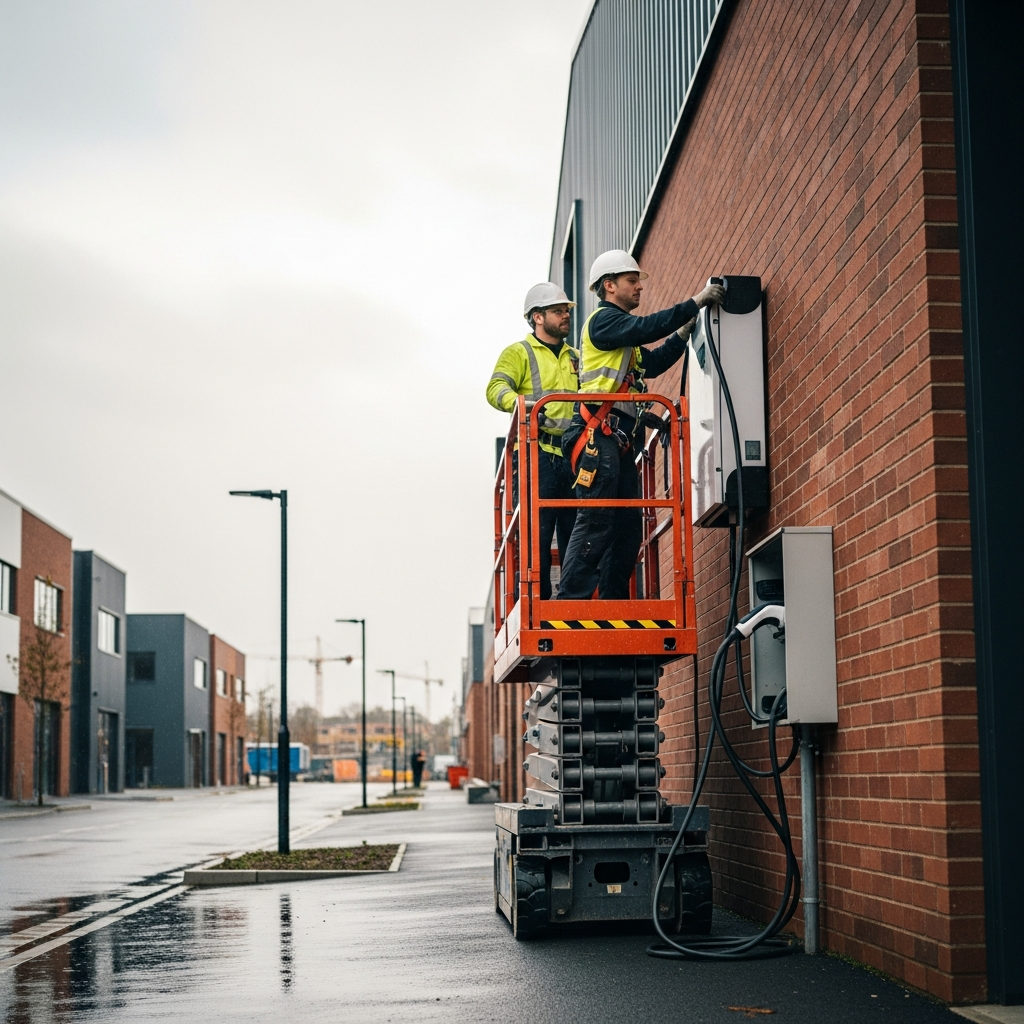
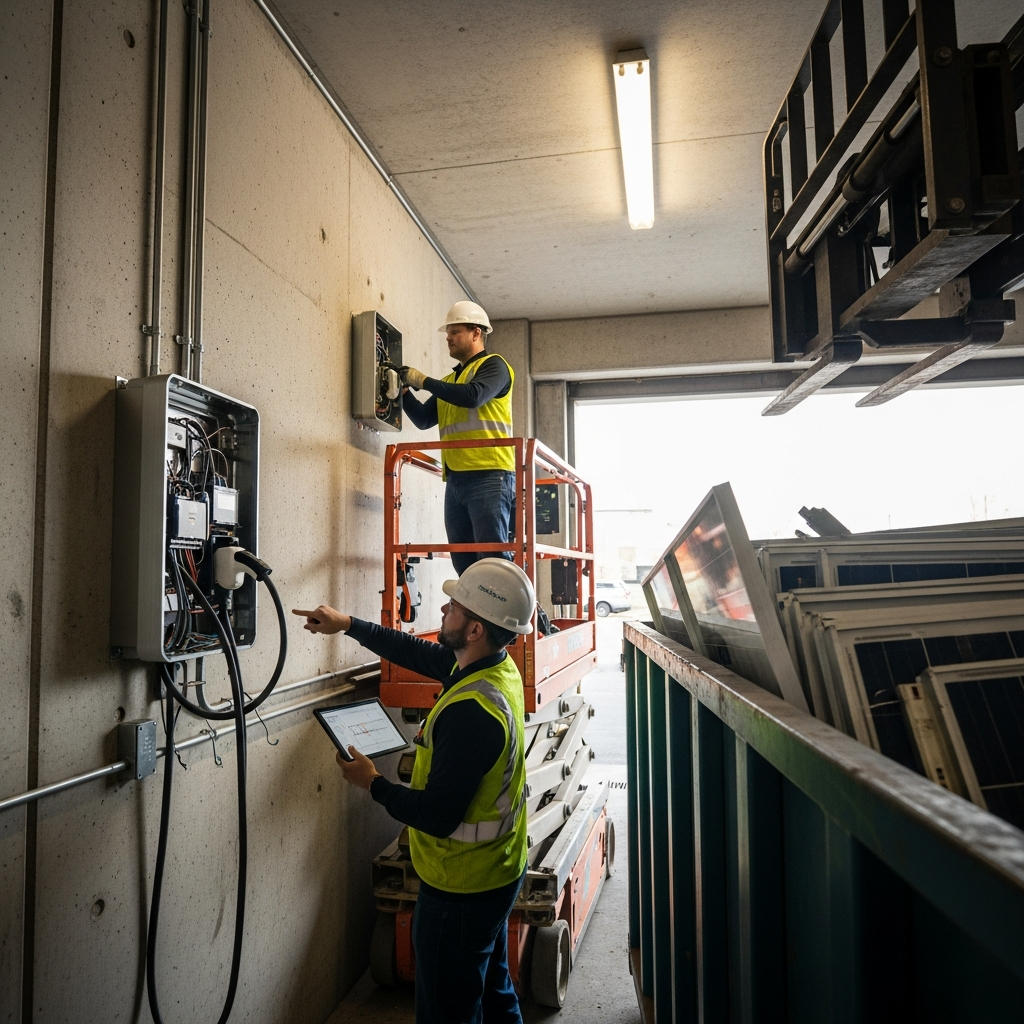
In offices, warehouses, medical spaces, retail centers, and industrial buildings, electrical systems are under constant pressure. Add HVAC loads, refrigeration, production equipment, EV charging, or tenant buildouts, and small design mistakes can become expensive failures. A solid grid model helps identify where a system may be overloaded, where a future expansion could create risk, and how outages might affect operations.
This kind of planning is not just about efficiency. It’s about protecting uptime, safety, and equipment life. When commercial electrical systems are designed or upgraded without accurate modeling, the result can be nuisance tripping, overheating, poor power quality, or unplanned downtime.
For homes, the same idea applies on a smaller scale, especially with solar, generators, or heavy appliance loads. But in commercial settings, the stakes are much higher because every outage affects people, productivity, and revenue.
The real danger is not always the storm or the utility issue. Sometimes it’s the hidden weakness in your own electrical infrastructure that no one modeled ahead of time.
steelcityelectricfl.com/commercial-electrical-panel-installation-upgrades-blog