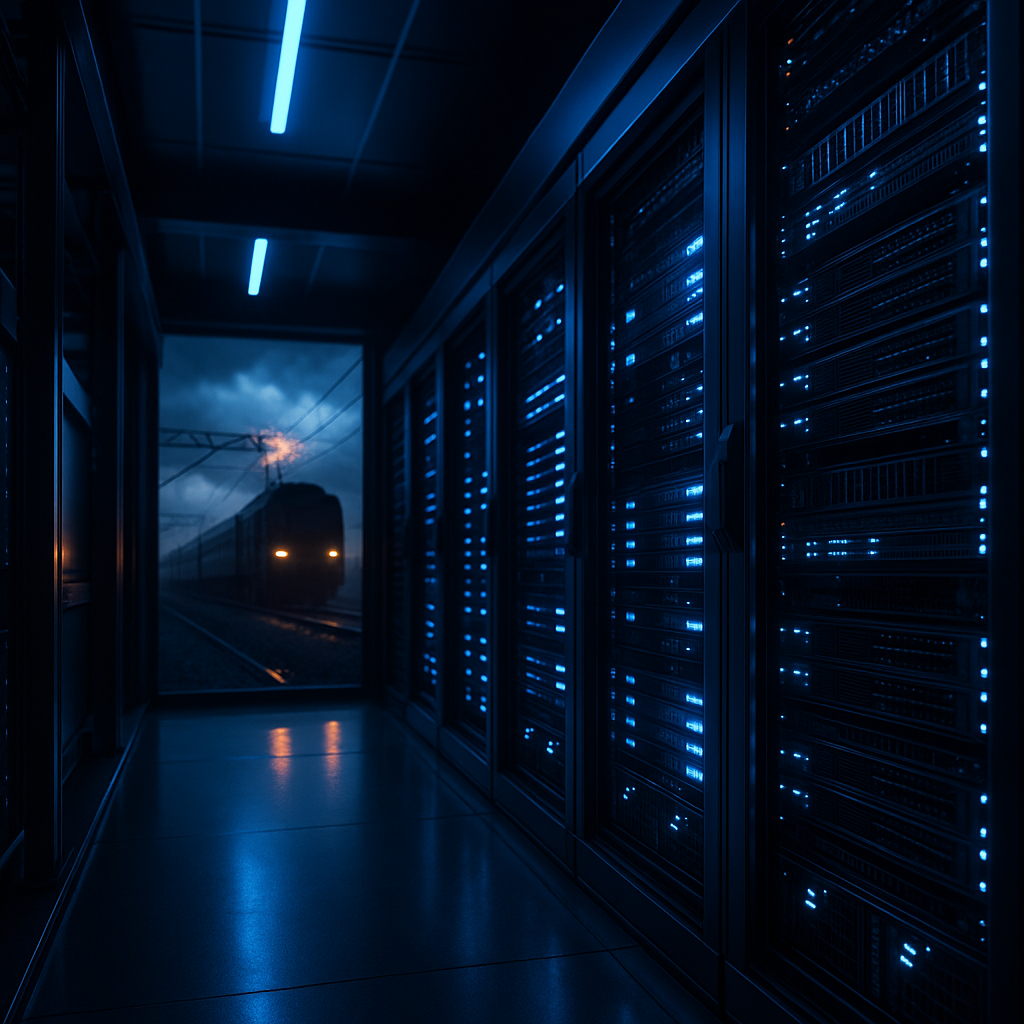
Bad news for anyone who thinks “unused space” is easy money: putting data centers under active railway overpasses sounds clever until heat and vibration start attacking the equipment 24/7.
A Tokyo consortium is testing the idea, but the electrical reality is brutal. Data centers already run hot, and trapping them under rail infrastructure adds a constant thermal load from sun-baked concrete, limited airflow, and nearby mechanical activity. Then come the trains. Every pass can introduce vibration that threatens cable terminations, bus connections, rack stability, and sensitive electronics over time. In commercial electrical work, those aren’t small issues — they are failure points.
To make a setup like this viable, the power system has to be engineered for punishment. That means serious cooling coordination, vibration-resistant mounting, clean grounding, protected distribution, redundancy planning, and monitoring that catches trouble before downtime happens. Even the best backup power strategy can get undermined if switchgear, feeders, or support systems are exposed to repeated movement and rising ambient temperatures.
This is the kind of project that reminds people a data center is not just a room full of servers. It is a high-demand electrical environment where infrastructure decisions directly affect reliability, maintenance costs, and operational risk.
The lesson is simple: if the location fights the equipment every day, the electrical system will eventually tell the truth.
steelcityelectricfl.com/commercial-industrial-electrical-repair-blog