Extreme heat is becoming a business continuity problem, not just a weather problem.
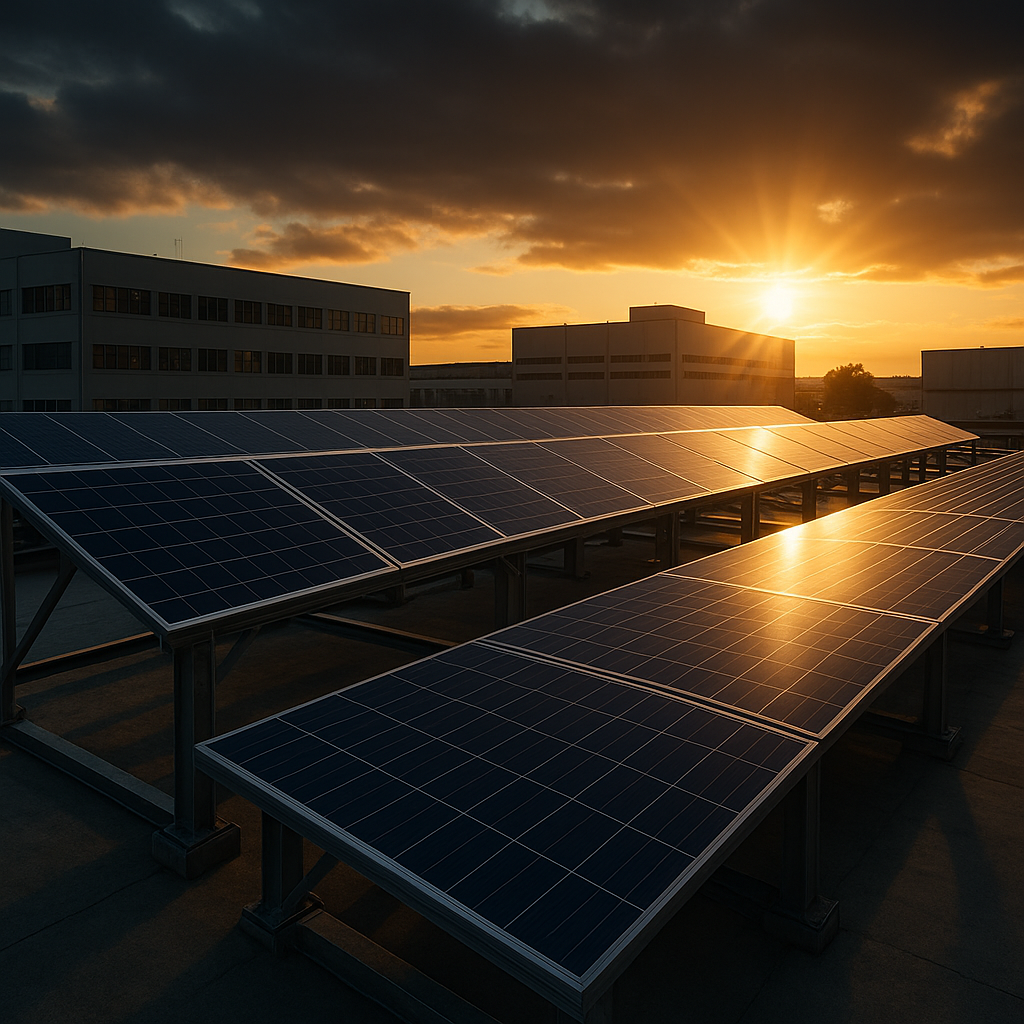
These 4 solar pavilions prove something important: public cooling does not have to mean higher utility bills. When designed correctly, a pavilion can use solar power to run fans, lighting, device charging, and even limited cooling support in parks, transit stops, campuses, job sites, and public gathering spaces.
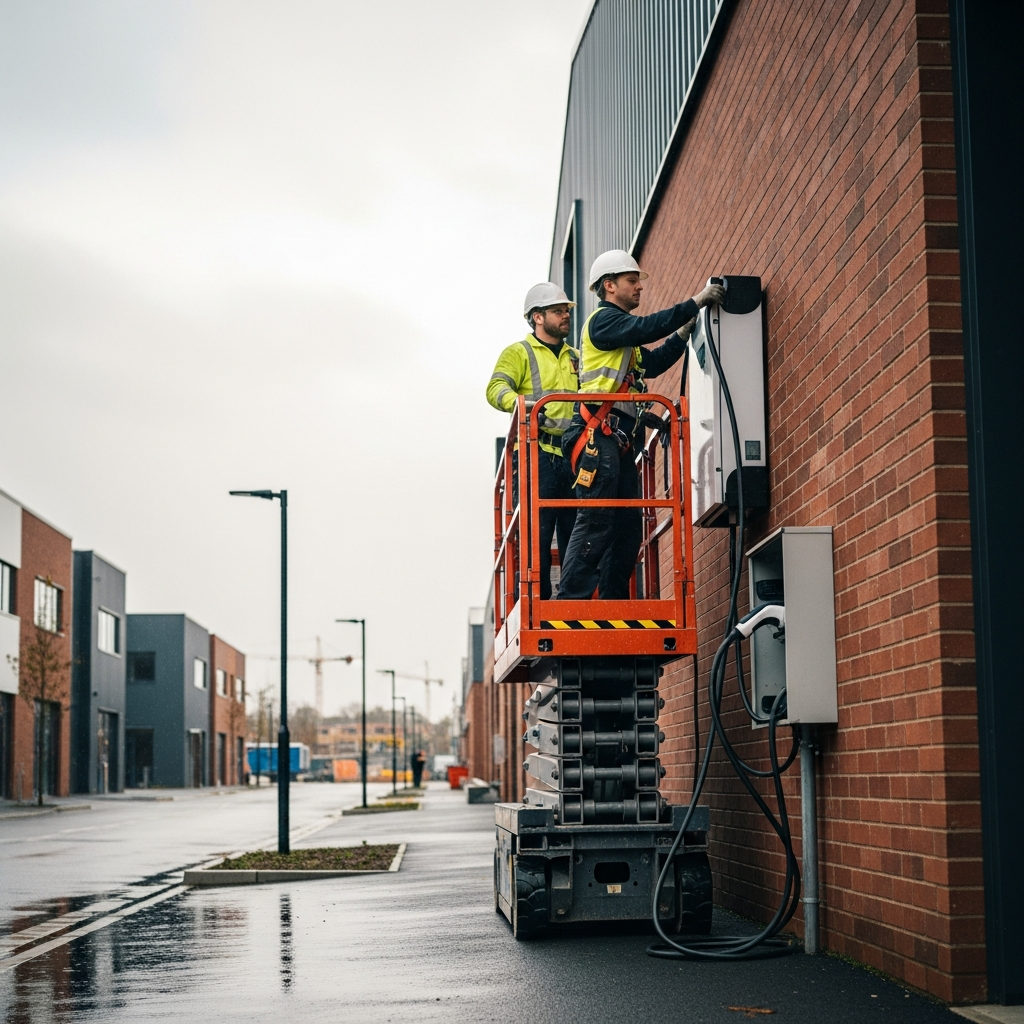
For commercial property owners, municipalities, schools, and developers, that matters. A solar pavilion is not just a shade structure. It is an electrical asset. It can support low-voltage systems, safety lighting, emergency communications, and occupant comfort while reducing dependence on the grid during peak demand. In Florida, where heat and storms both create operational risk, that kind of resilience is becoming more valuable every year.
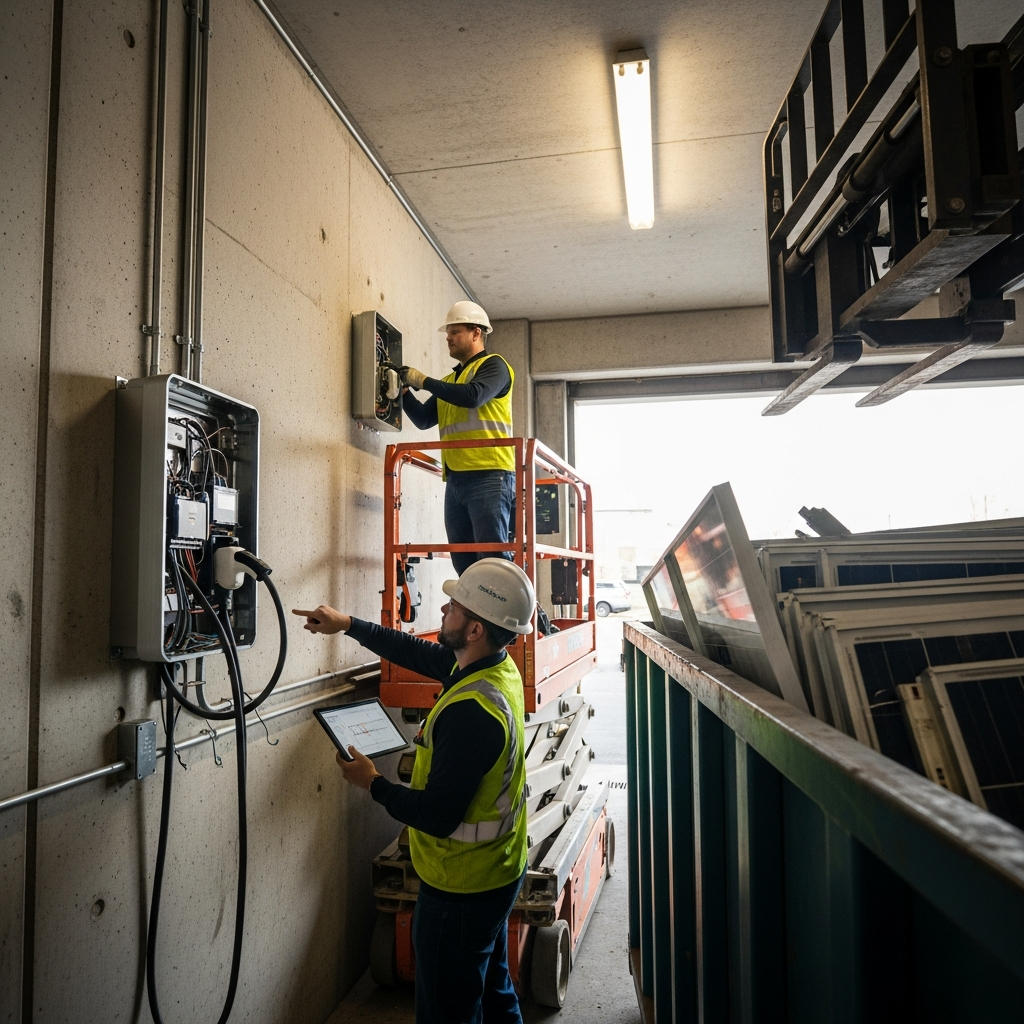
The real takeaway is not the design trend. It is the electrical planning behind it. Load calculations, panel placement, battery storage options, conduit routing, fixture durability, and code compliance decide whether these spaces actually perform when people need them most.
Residential solar gets most of the attention, but public and commercial applications may have the bigger impact. One well-built pavilion can serve hundreds of people.
The warning here is simple: if cooling access depends only on the grid, it will fail exactly when demand is highest.
steelcityelectricfl.com/commercial-industrial-electrical-installation-blog