Bad news: in Florida heat, a shaded bench is not enough. Public spaces that don’t actively cool people can become liability zones fast.
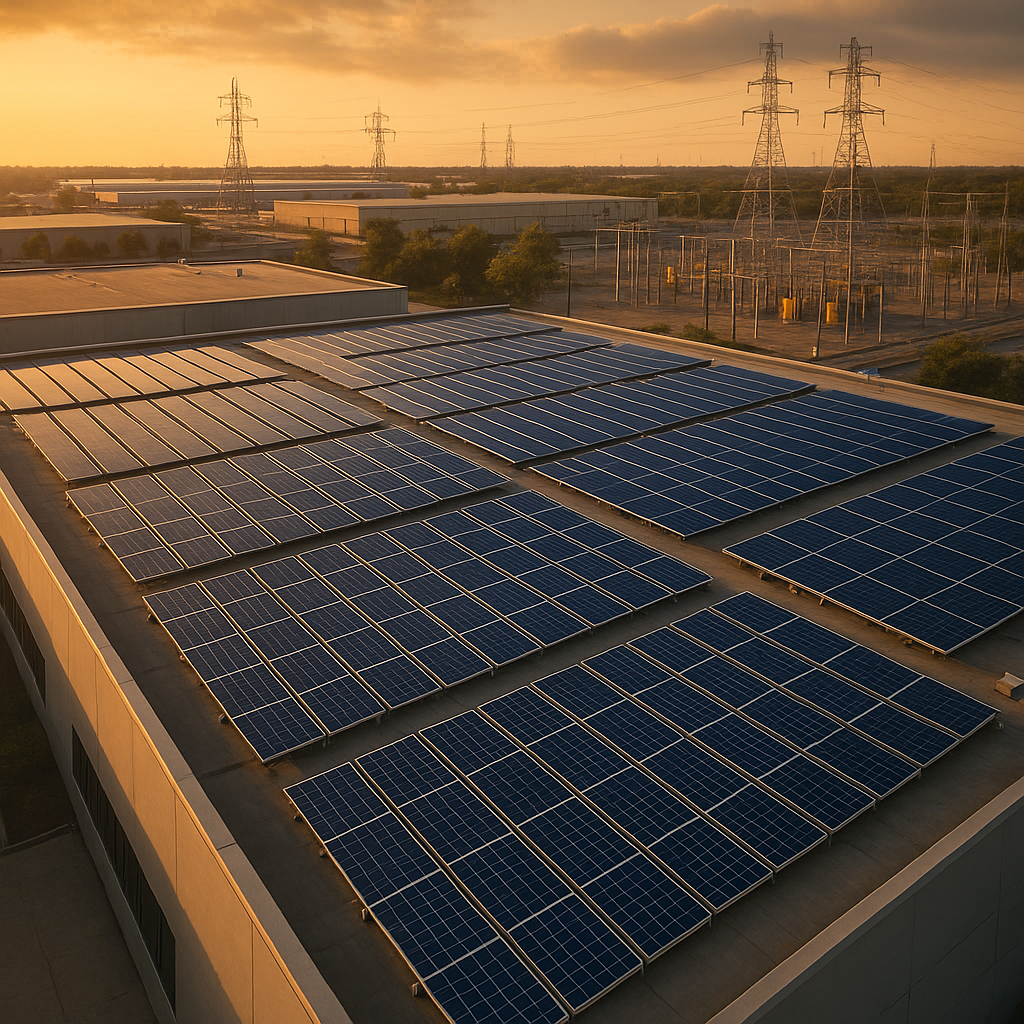
That’s why these 4 solar pavilions matter. They prove public cooling can be free to use, cleaner to operate, and smarter to build.
The real story is not just the solar panels. It’s the electrical design behind them. A well-built solar pavilion can power high-efficiency fans, LED lighting, device charging, security systems, and even misting or low-voltage controls without leaning hard on the grid. For cities, schools, parks, transit stops, and commercial properties, that means more usable outdoor space with lower operating costs.
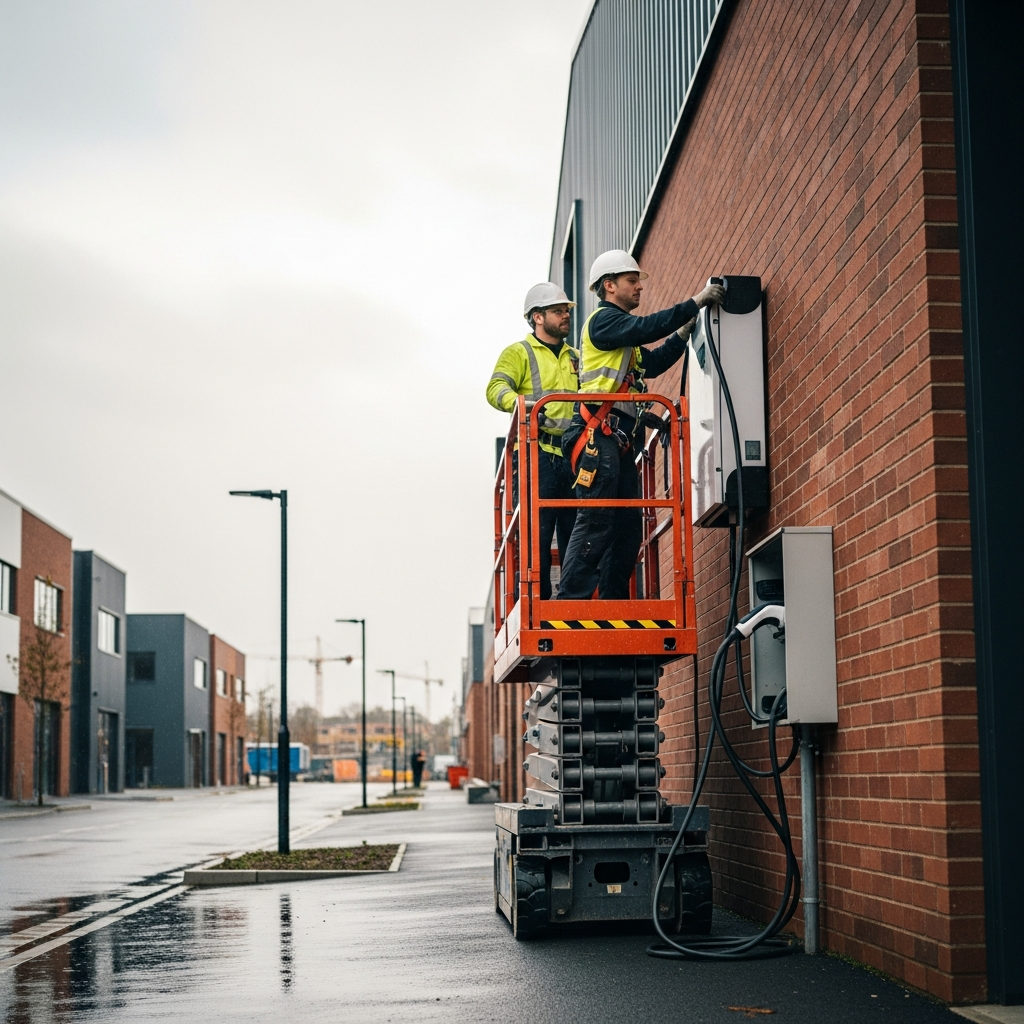
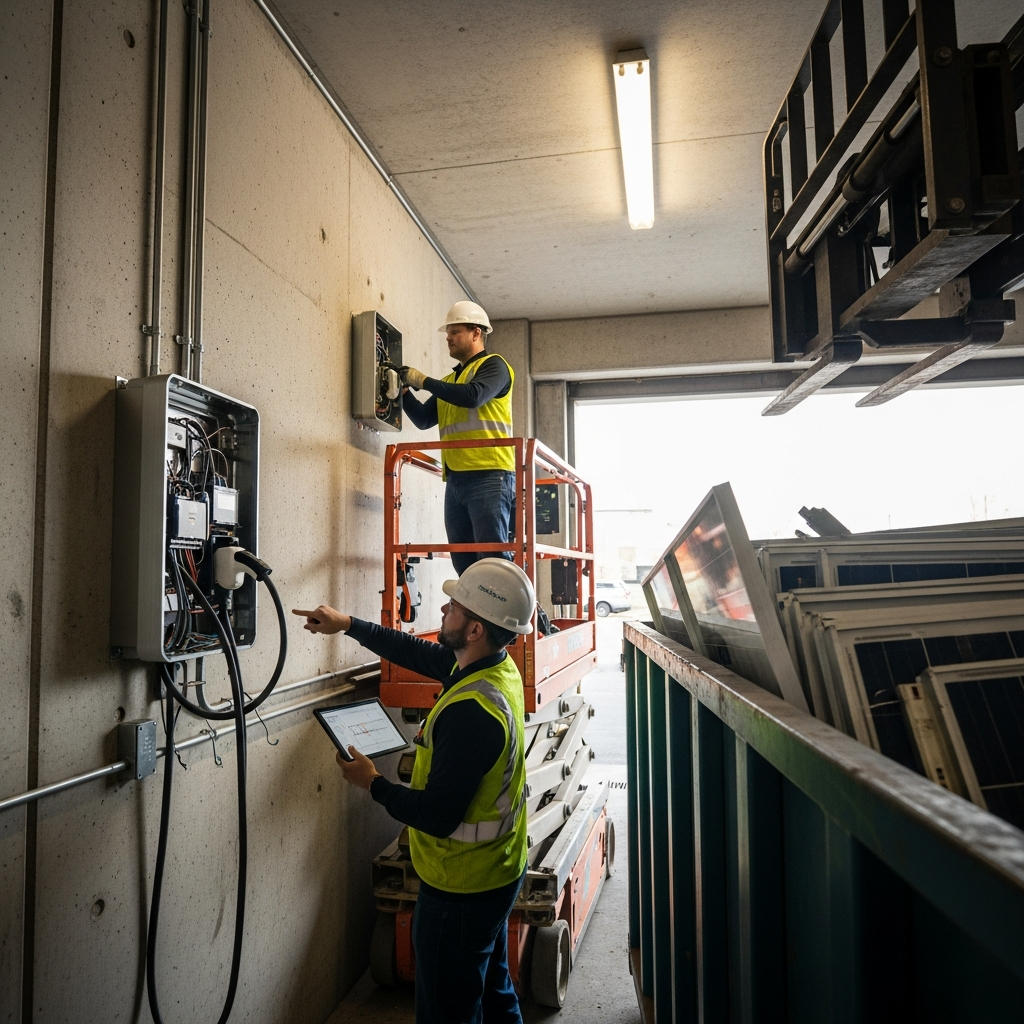
For commercial electrical contractors, these projects are a reminder that outdoor infrastructure is changing. Public comfort is now an electrical planning issue. Load calculations, weather-rated equipment, battery storage options, conduit routing, lighting controls, and maintenance access all matter if the pavilion is expected to perform in real-world heat and storms.
Residential solar gets attention, but public-facing commercial systems can do something bigger: they serve hundreds of people every day while making public spaces safer and more functional.
The takeaway is simple: if a pavilion looks good but can’t deliver reliable cooling, lighting, and power when people need it most, it’s not a feature. It’s just expensive shade.
steelcityelectricfl.com/commercial-industrial-electrical-installation-blog