Deadly heat is becoming a jobsite and public safety issue in Florida, yet most cities still treat cooling like a luxury.
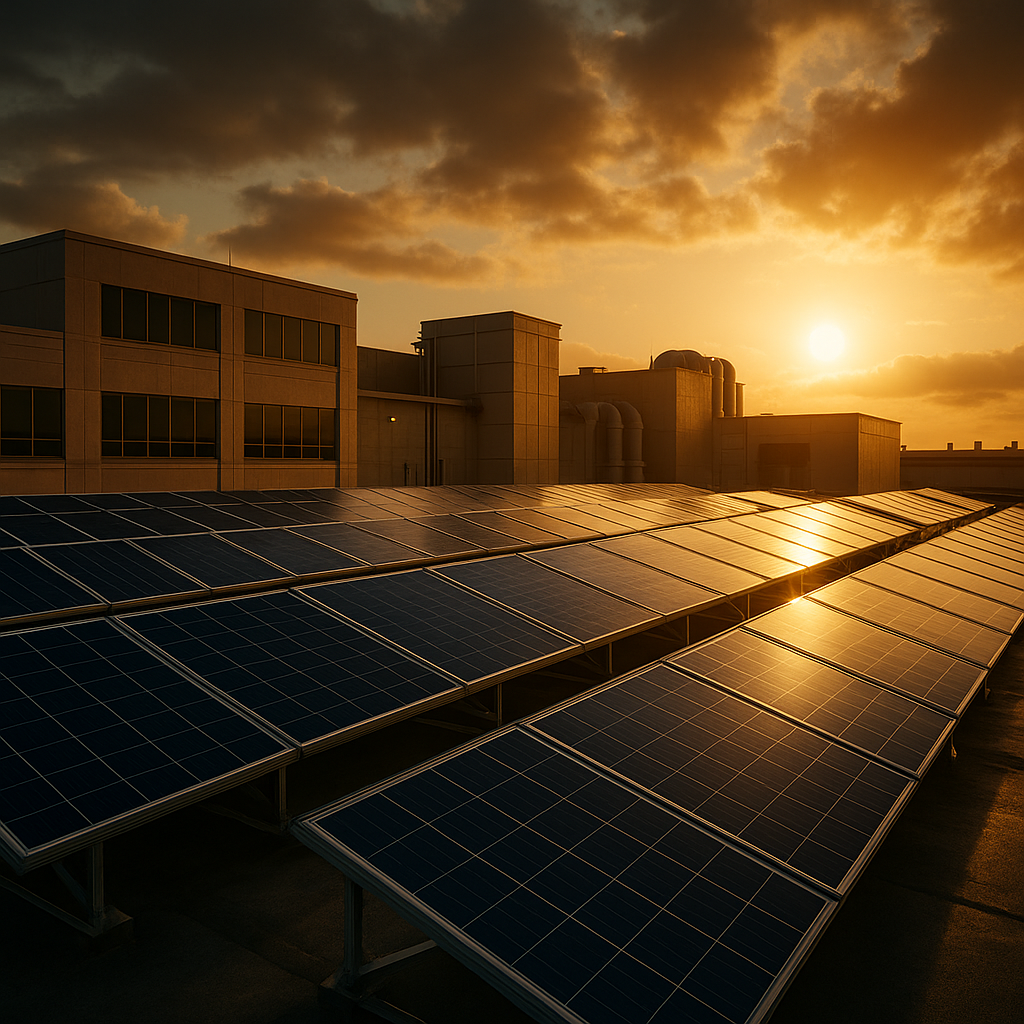
These 4 solar pavilions prove it does not have to be that way. Around the world, public shade structures are now doing more than blocking the sun. They are generating power, running fans, supporting lighting, charging stations, and in some cases helping feed nearby systems without adding major utility costs.
For commercial properties, campuses, parks, transit stops, and municipal spaces, this is a big shift. A pavilion is no longer just a structure. It is part of the electrical infrastructure. When designed right, it can combine solar generation, energy storage, low-voltage lighting, occupancy controls, and weather-resistant distribution into one smart public asset.
That matters in places like Manatee, Sarasota, and Hillsborough counties, where heat, storms, and rising energy demands all put pressure on buildings and outdoor spaces. Public cooling that runs on solar can reduce peak demand, improve comfort, and make outdoor areas more usable without depending fully on the grid.
The real lesson is not just about solar panels. It is about electrical planning. If the wiring, load calculations, battery integration, and safety systems are not handled properly, the idea looks good on paper and fails in the field.
The future of public comfort is electrical, and the communities that ignore that will feel the heat first.
steelcityelectricfl.com/commercial-industrial-electrical-installation-blog