Brutal heat is becoming a business problem, not just a weather problem. In Florida, public spaces that can’t offer shade and cooling are harder to use, harder to manage, and more expensive to maintain.
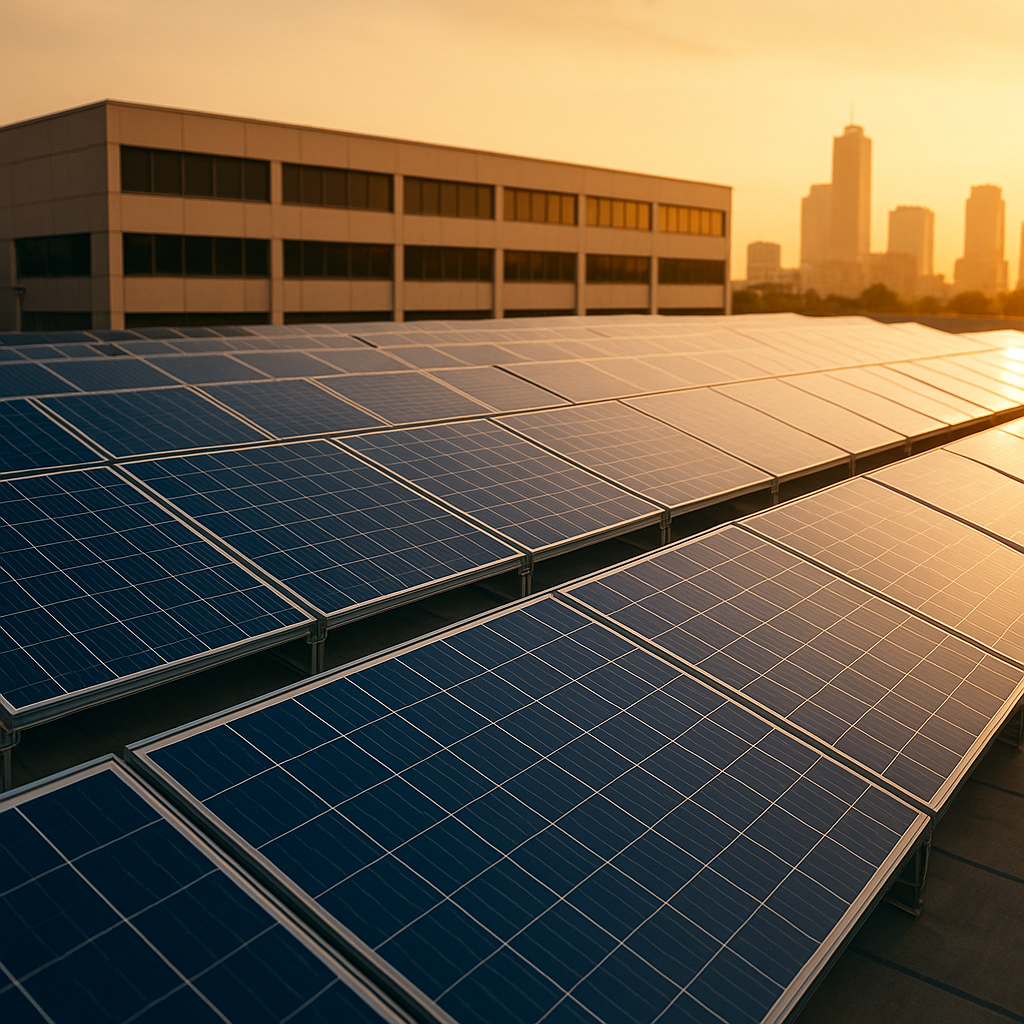
That’s why these 4 solar pavilion projects matter. They show how public cooling can work without adding constant utility costs. The idea is simple: a pavilion generates solar power overhead while creating shaded space below. That power can support fans, lighting, device charging, digital signage, and other low-load amenities that make outdoor areas more usable.
For commercial properties, municipalities, schools, parks, transit stops, and mixed-use developments, this is where electrical planning becomes critical. A solar pavilion is not just a shade structure with panels bolted on. It needs proper load calculations, safe equipment integration, durable wiring methods, weather-rated components, grounding, disconnects, and a design that holds up in heat, humidity, and storms. If battery storage is added, that introduces another layer of system coordination and safety.
Done right, these pavilions can reduce strain on surrounding buildings, improve public comfort, and turn dead outdoor space into something functional. Done poorly, they become high-maintenance showpieces with underperforming systems and avoidable electrical risks.
The big lesson is this: free cooling is never really “free” unless the electrical design is smart enough to make it reliable.
steelcityelectricfl.com/commercial-industrial-electrical-installation-blog