One surprise outage can shut down a business faster than a slow season ever will.
If an “energy lockdown” hits — whether from grid strain, fuel shortages, storm recovery, or emergency restrictions — commercial buildings will feel it first in lost productivity, damaged inventory, failed systems, and safety risks. Waiting until the lights flicker is already too late.
Start with the basics: know which loads are mission-critical. For most commercial properties, that means life safety systems, emergency lighting, fire alarms, security, refrigeration, IT rooms, network equipment, and any equipment tied to operations or compliance. If you don’t know what absolutely must stay on, your backup plan is not really a plan.
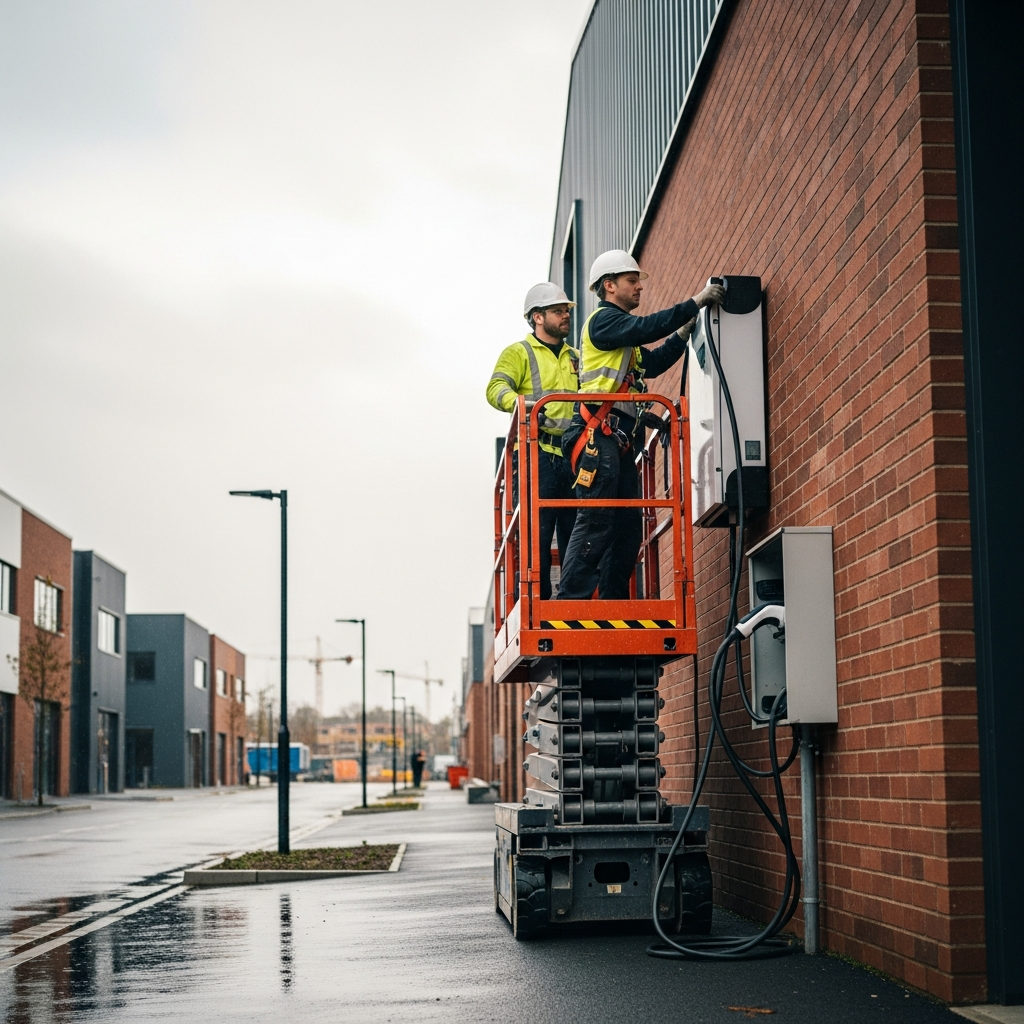
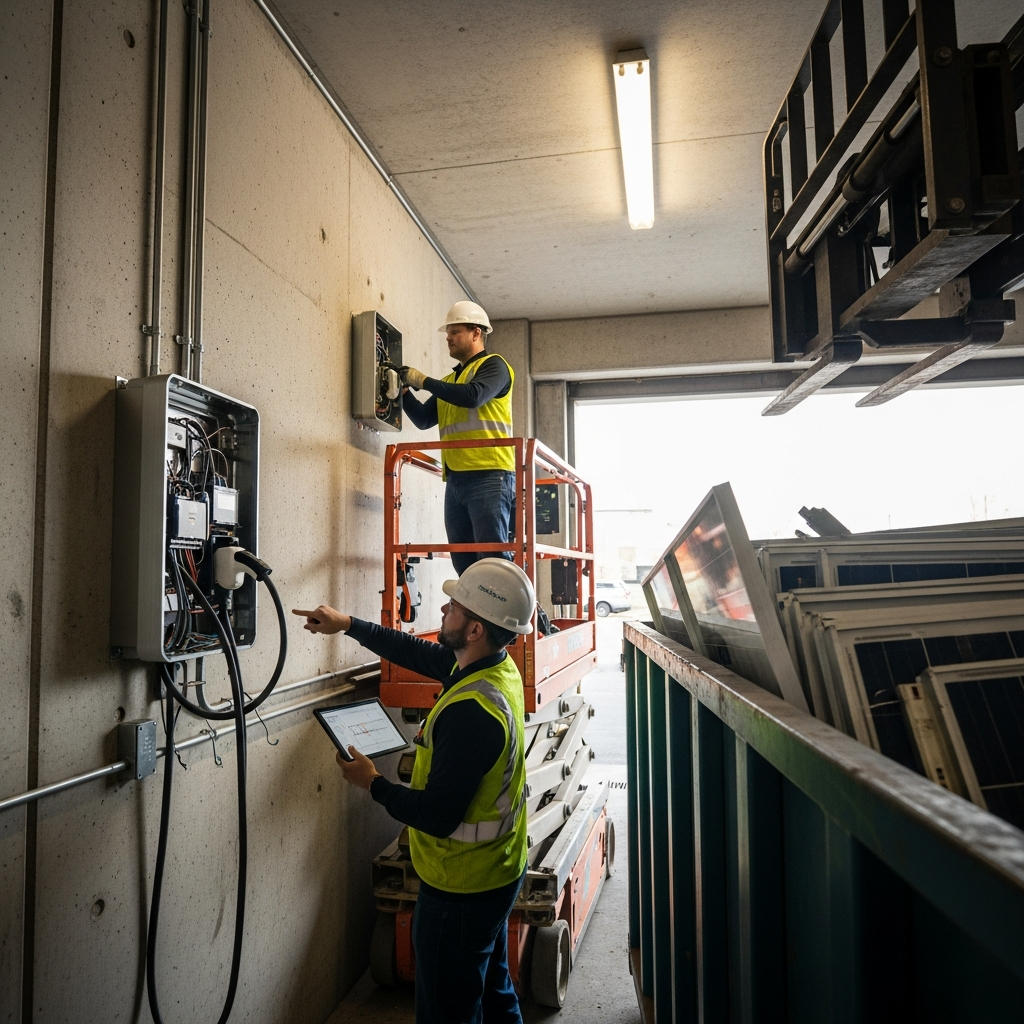
Next, check your electrical infrastructure. Are panels clearly labeled? Are transfer switches tested? Is your generator sized for real demand, not guesswork? Have surge protection, battery backups, and load-shedding controls been reviewed recently? Small electrical weaknesses turn into major failures during unstable power events.
Facilities teams should also walk through restart procedures. After an outage, bringing everything online at once can overload circuits and damage equipment. A staged restart matters more than most people realize.
For homes, the same thinking applies on a smaller scale: protect essentials, avoid overloading portable generators, and make sure backup power is connected safely.
The hard truth: power problems rarely become emergencies all at once. They usually start as ignored warnings.
steelcityelectricfl.com/commercial-generator-installation-blog