A bad power model can look “fine” on paper—right up until a breaker trips, a panel overheats, or a whole operation goes dark.
If you’re hearing about **power-grid-model 1.13.35**, the big takeaway for commercial properties is simple: better modeling matters because real buildings do not run on guesswork. Offices, warehouses, medical spaces, retail centers, and mixed-use facilities all depend on electrical systems that can handle actual load, peak demand, fault conditions, and future expansion. When the model is wrong, everything downstream can be wrong too—equipment sizing, protection settings, backup planning, and energy decisions.
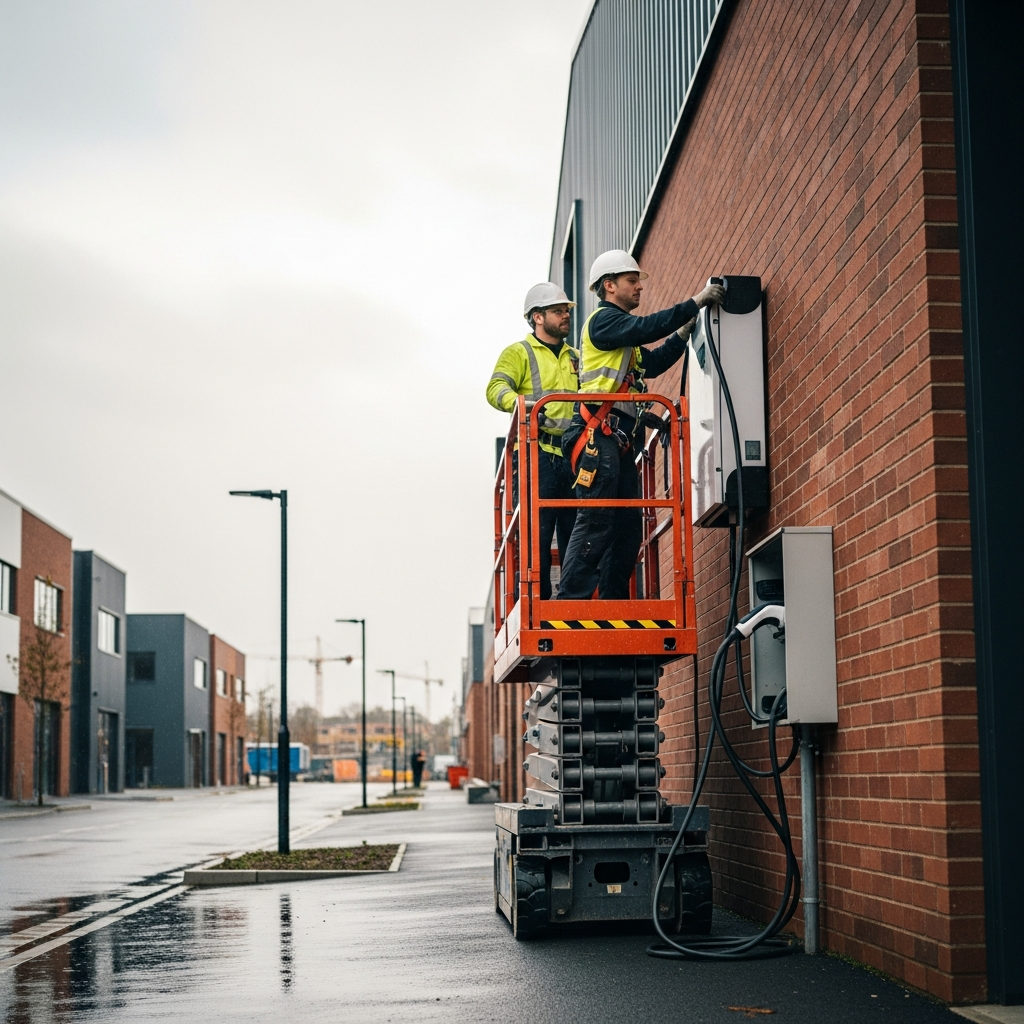
In commercial electrical work, that risk is expensive. A weak design assumption can lead to nuisance shutdowns, voltage drop problems, poor generator performance, or transformers that are stressed harder than anyone expected. Even something as routine as adding new HVAC, tenant improvements, or EV charging can expose flaws that were hiding in the original numbers.
Residential systems can feel the impact too, especially in larger homes with pools, backup power, or high-demand appliances, but the biggest consequences usually hit commercial facilities where downtime affects staff, tenants, customers, and revenue.
The truth is, software versions and models are only as valuable as the engineering judgment behind them. If the data going in is incomplete, the output can give a dangerous sense of confidence.
steelcityelectricfl.com/commercial-industrial-electrical-repair-blog