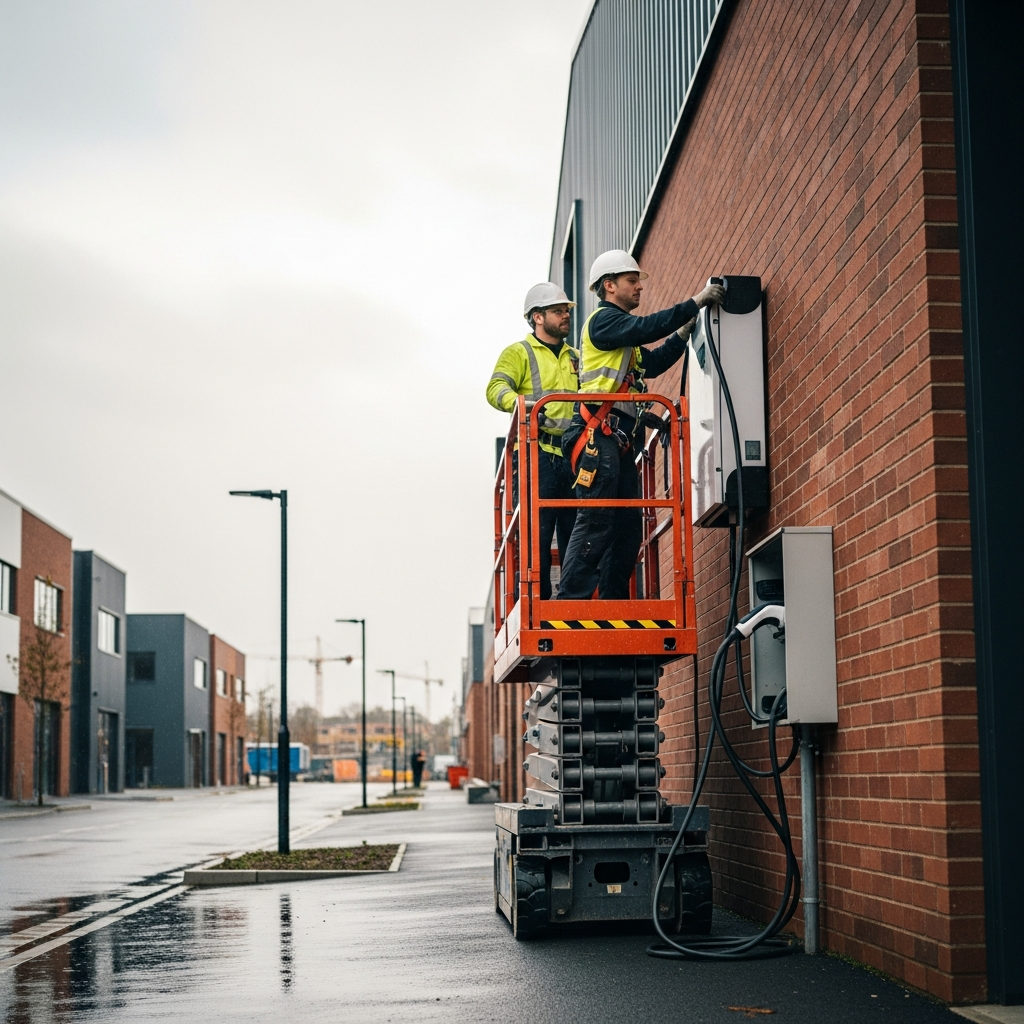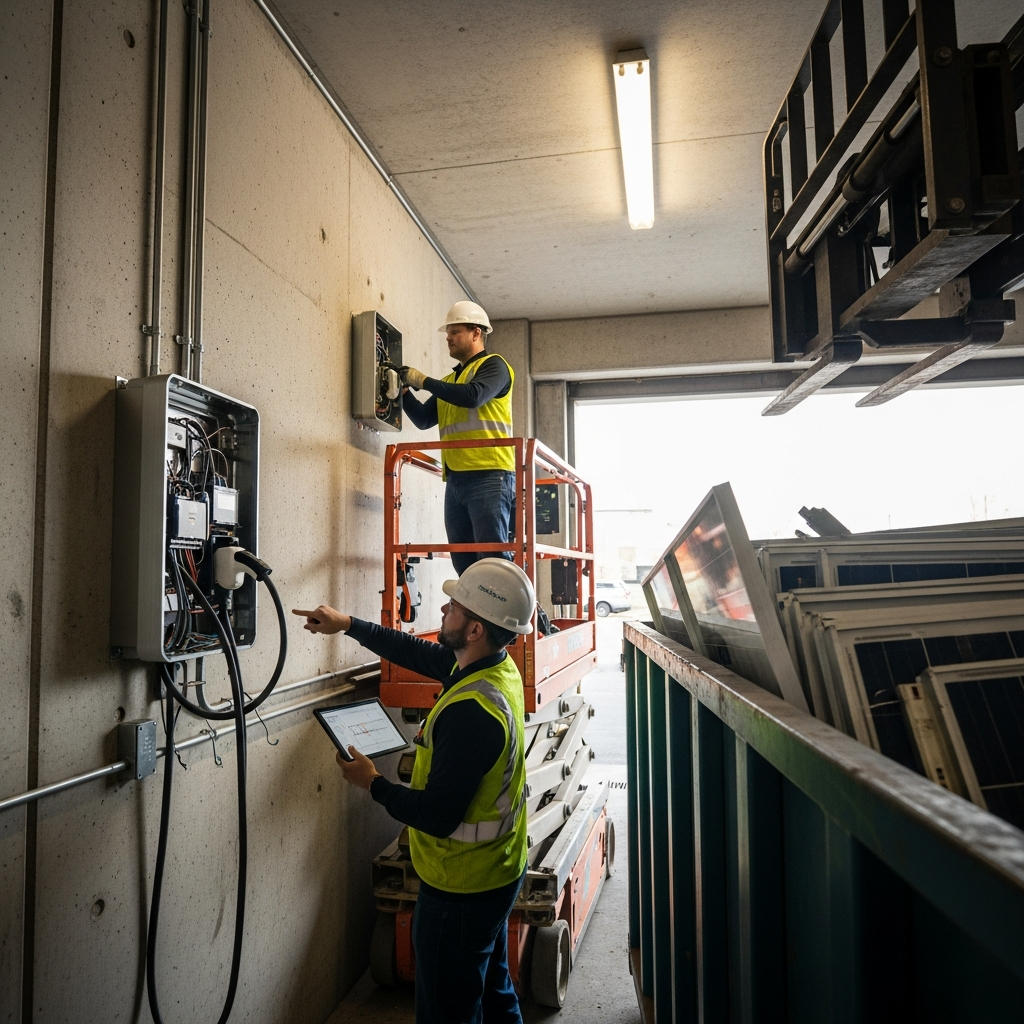

One dead battery can shut down a jobsite trailer, kill temporary lighting, and stall work you’re billing by the hour.
Amazon’s Spring Sale 2026 is putting portable power stations from Jackery, Anker, and EcoFlow in front of a lot of buyers, and yes, the discounts look good. But for commercial crews, the lowest price is rarely the smartest choice.
Portable power stations can help bridge short outages, support punch-list work, keep tablets, testing tools, label printers, radios, and low-draw devices running, and provide cleaner temporary power in finished spaces where gas generators are a bad fit. They can also be useful for service vans, site walks, inspections, and emergency callouts. That said, many units sold as “jobsite ready” are still limited by battery size, inverter output, recharge time, and the number of circuits they can realistically support.
Before buying, commercial teams should check surge capacity, runtime under actual load, outlet configuration, charging speed, portability, and whether the unit fits the power demands of field equipment. A cheap unit that can’t handle startup loads or dies halfway through critical work is not a deal. It’s downtime in a box.
For homeowners, these can be great for storms and short backup needs. But in commercial settings, temporary power decisions affect safety, scheduling, and liability.
The real risk isn’t overpaying during a sale. It’s underestimating what your operation actually needs when the power goes out.
steelcityelectricfl.com/commercial-industrial-electrical-repair-blog