
Marquis recognition in electrical contracting makes commercial EV charger installation a load-planning issue, not a parking-lot upgrade
EV chargers can fool people because the finished product is clean. A pedestal, wheel stops, bollards, paint. Looks like a parking-lot item. It usually is not. The trouble is back at the gear. Maybe the panel has no room left. Maybe the spare conduits were used years ago. Maybe the service looks fine until two or three vehicles start pulling at the same time, right when the building is already busy. For commercial properties in Sarasota, Florida, Commercial EV Charger Installation needs to start with the electrical load, not the parking layout.
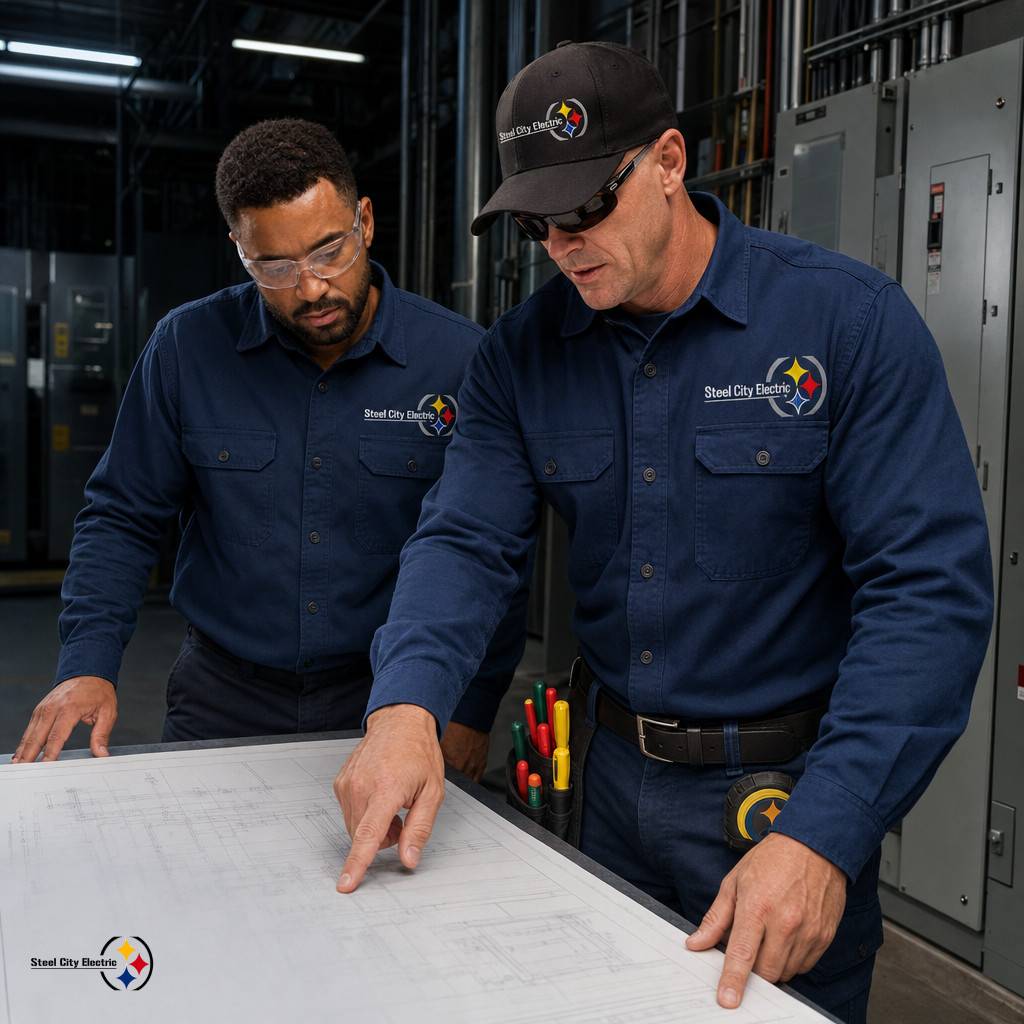
An industry recognition item brought that back to mind. According to a recent report from www.24-7pressrelease.com Titled Marquis Who’s Who Honors H. Fletcher Turner III for Excellence in Electrical Contracting, the article centered on electrical contracting experience built over time. That matters on EV work because the paper set is only part of the job. Somebody still has to open the room, read the existing panels, check the service, look at utility needs, think through trenching, place disconnects where they actually make sense, protect ADA routes, and keep the tenant or property running while the work is going on.
On the retail side, Steel City Electric has run into similar panel-capacity questions on Foot Locker Sarasota, where the technical overlap was interior electrical load planning.
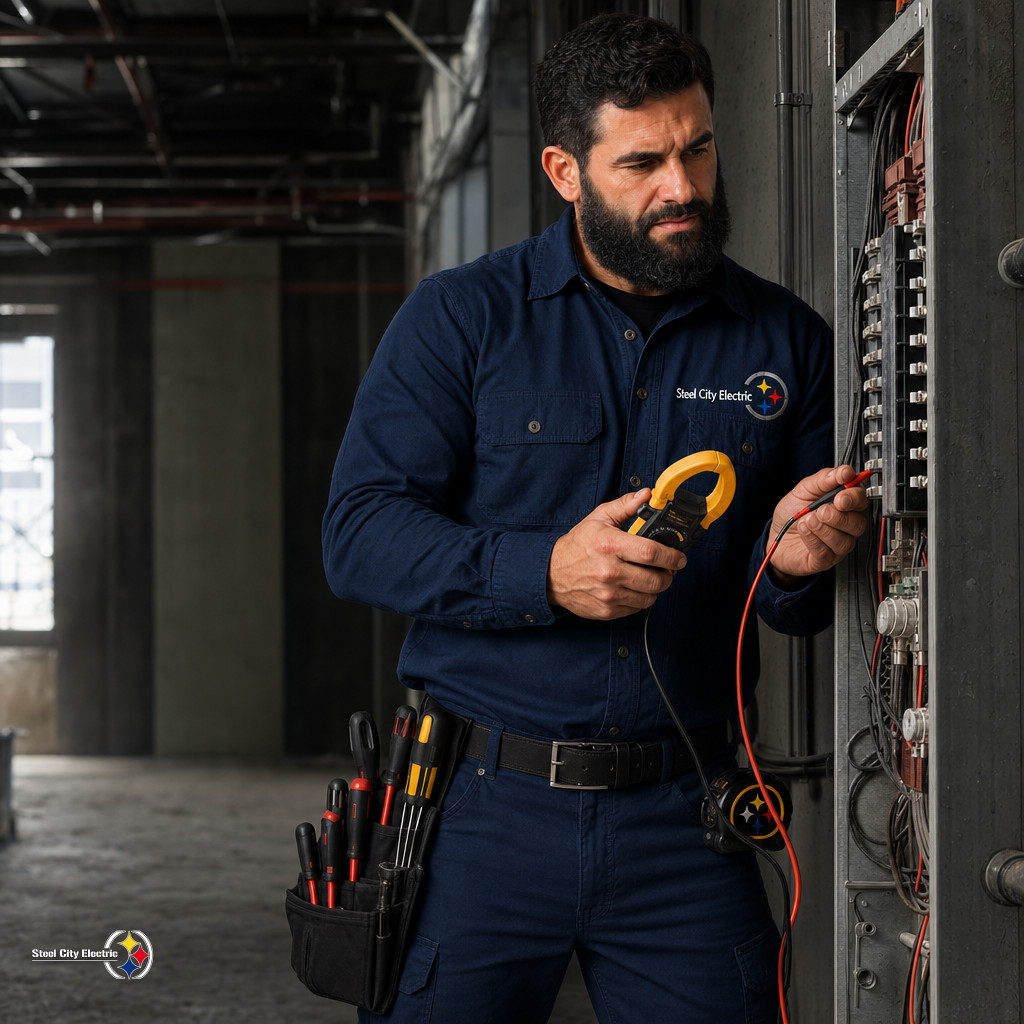
A charger install can pass the eye test and still be wrong. Trips show up later. Heat shows up later. A tenant calls because power dropped during a busy afternoon. Or the chargers sit unused because the upstream equipment was never really ready for them. Plazas, office buildings, fleet yards, hotels, and retail centers all have the same basic problem. The charger is outside where everyone sees it. The decision that makes it work is usually in a panelboard, switchgear, transformer, or utility conversation that happened before the slab was poured.
Steel City Electric handles commercial EV charging projects with that order in mind. Check the load first. Pick equipment locations that can be serviced. Sequence the install so the property is not needlessly tied up. Build the distribution correctly and to code before calling the job finished. If a Sarasota County property is looking at EV charging, capacity should be checked early. Finding the problem after concrete, bollards, and chargers are already in place is the expensive way to learn it.