On commercial sites, it is usually not the big gear that holds everybody up first. It is the fitting that did not land on the truck, the adaptor that does not match the raceway, the box that got crowded, or the bend that looked fine until the pull started. Around Palmetto, Florida, a delay like that can turn into a real schedule problem. Inspectors are waiting. Tenants are asking when they can open. Equipment is sitting there ready, except the power is not.
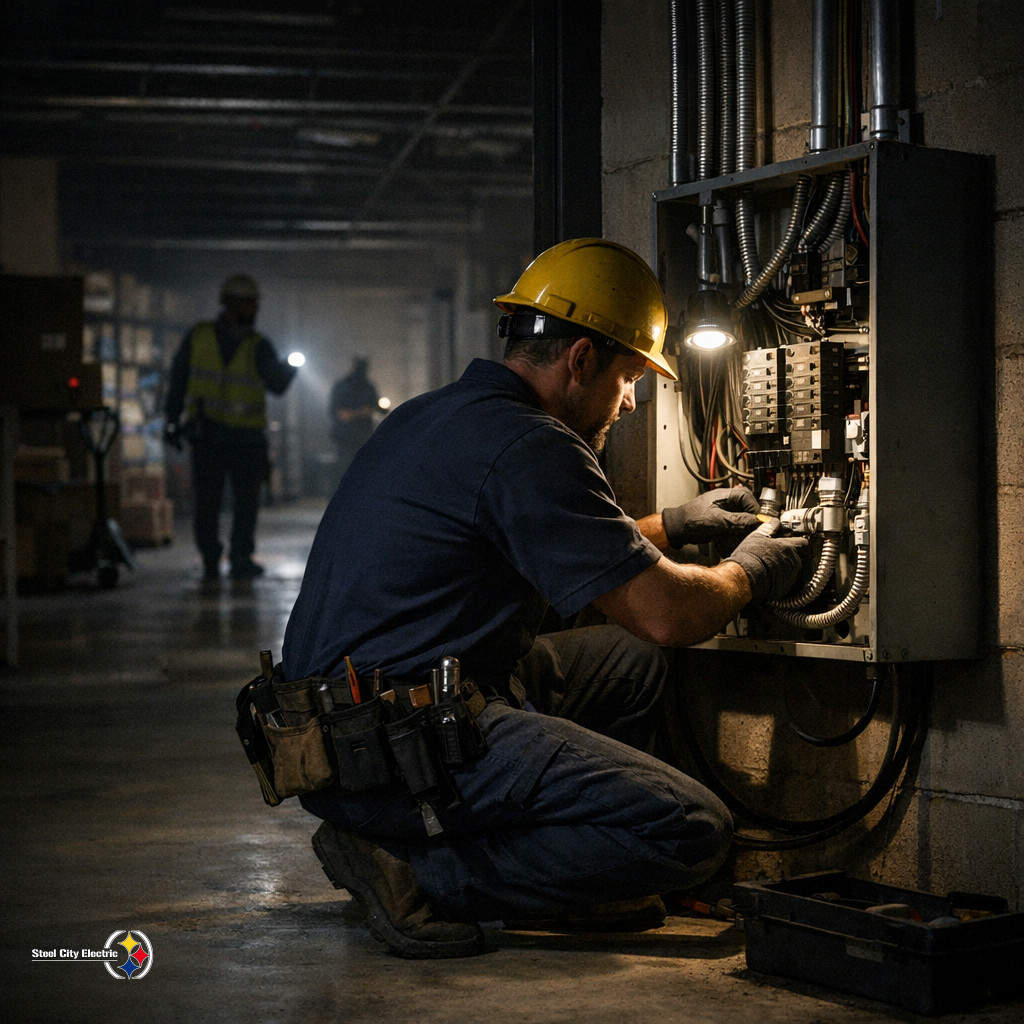
Raceway gets treated like simple pipe sometimes. It is not. It has to protect conductors, keep circuits separated and reachable, and survive the way the building is actually used. Forklifts clip walls. Stock carts hit corners. Vibration loosens poor work. Heat and moisture find weak spots. Bad access makes every future repair harder. That is why commercial and industrial electrical installation cannot be laid out only from a clean drawing. Somebody has to look at the space and think about how crews will work in it later.
A recent report from www.issuewire.com titled Emergent Industrial Expands Access to High-Quality Raceway Connectors Adaptors for Reliable Electrical Installations points to something field crews already know: dependable raceway parts are not optional. When the right connector or adaptor is missing, people improvise or stop. Neither one is good. That can mean rework, failed inspection notes, another material run, or a shutdown window that stretches past what the customer approved.
The cost shows up fast. A line cannot start because a feed is not finished. Dock lights are down in a warehouse. A retail buildout stalls because rough-in is behind the rest of the trades. Steel City Electric has dealt with that kind of pressure on scheduled commercial work; on Foot Locker Sarasota, the wiring had to be clean, on time, and coordinated with everything else happening in the space.
Good raceway work does not need to look clever. It needs to be straight where it should be straight, supported where it needs support, accessible for service, and built with fittings that belong there. For Palmetto commercial properties, that may mean working around existing equipment, adding capacity without tearing up usable areas, or planning shutdowns so the business is not left guessing. Crews also need to understand how commercial electrical work affects the building after the ladders are gone.
If a facility is expanding, replacing old wiring, opening a tenant space, or chasing the same electrical problems again and again, the raceway layout and connector choices deserve a hard look. Steel City Electric can review the conditions, map a practical electrical path, and install the system so it supports the operation instead of becoming the part everyone is waiting on.