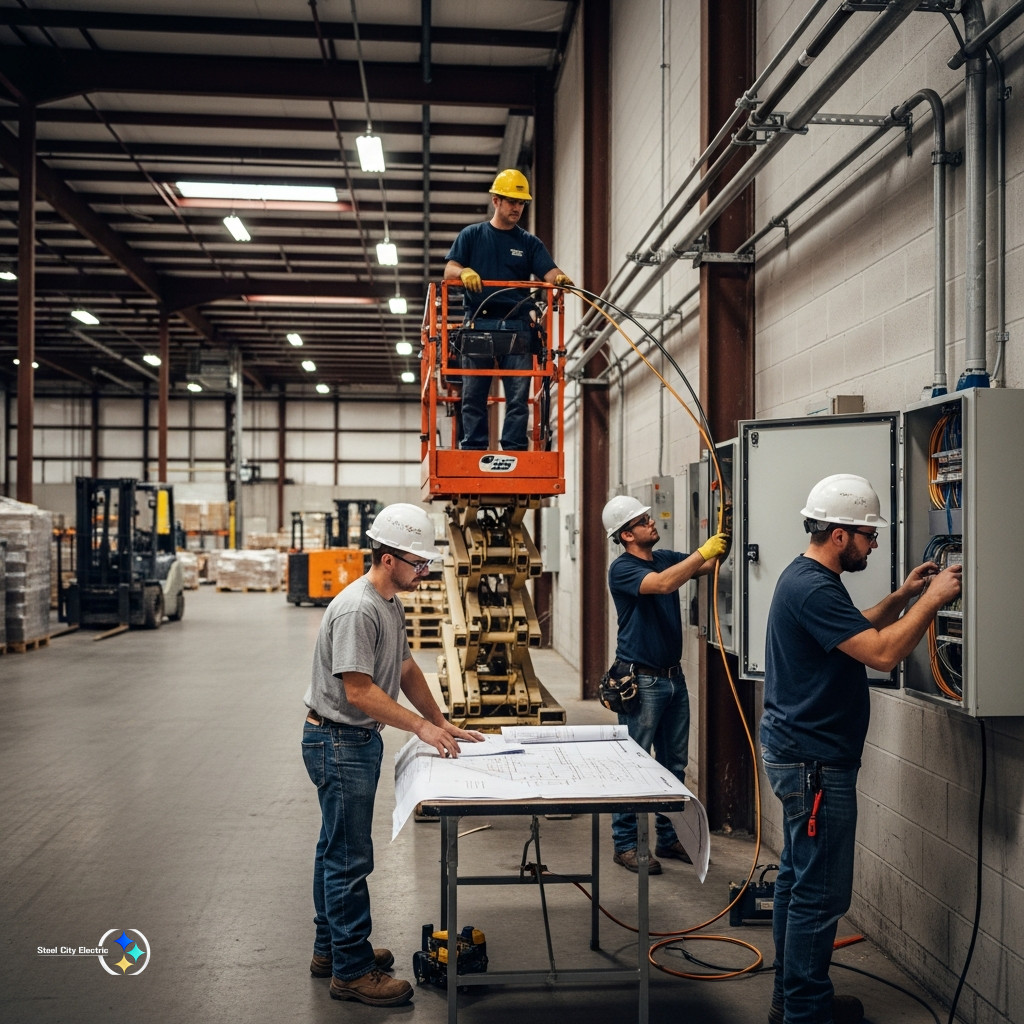
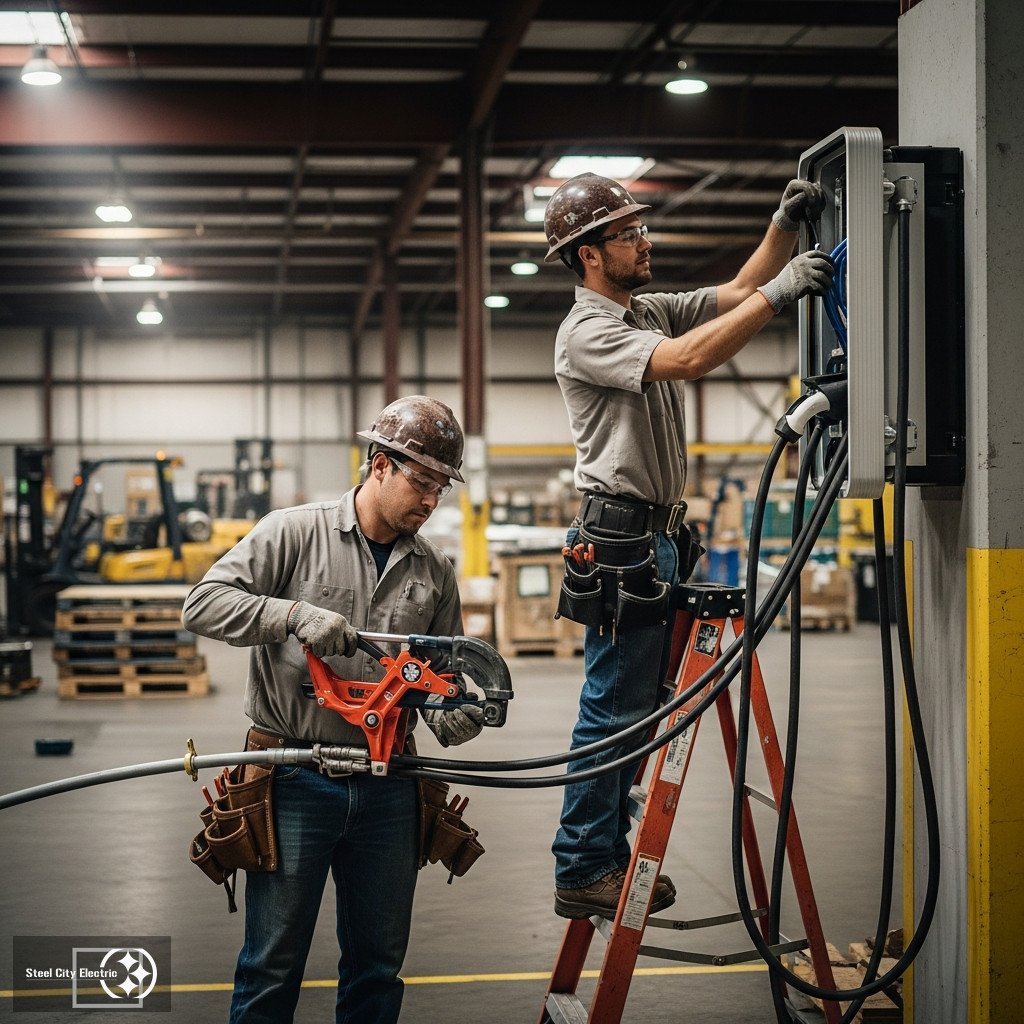
Hot weather will tell on a building. We see it all the time. RTUs pulling hard, walk-in coolers cycling nonstop, kitchen loads coming on in the same part of the day, and then somebody wants to add chargers out by the parking stalls. On a drawing it may look clean. In the gear room it is usually a different story. A charger is not a wall outlet with a fancy cover. It is a long-duration load, and it has to live around the service size, transformer, panel space, conduit route, parking layout, ADA access, and whatever the utility will approve. That is why commercial EV charger installation should start at the main electrical system, not with a cut sheet for the charger.
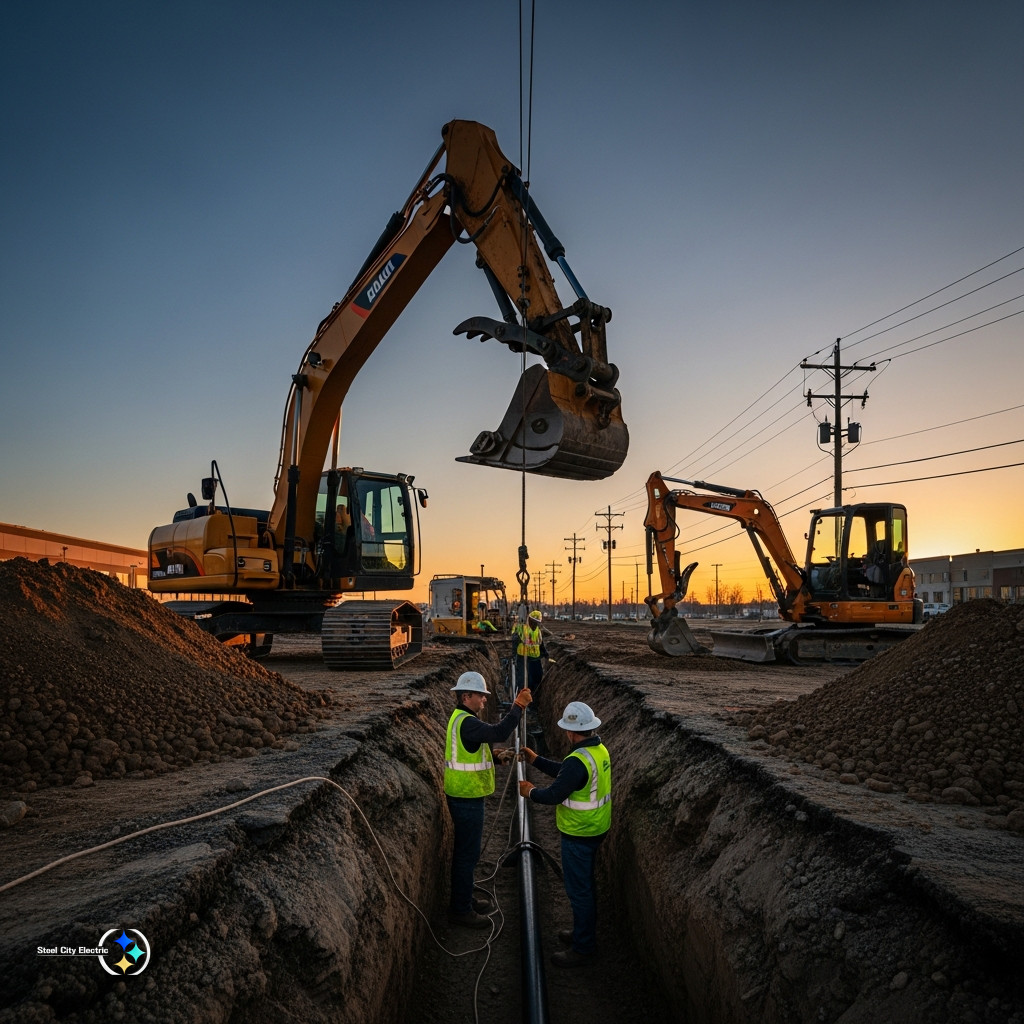
Simply Wall St recently covered how heatwaves are putting pressure on power grids, data centers, hospitals, and other critical facilities. That sounds like market news, but in the field it shows up pretty plainly. Loads pile up. Old assumptions stop holding. Breakers run warm. Spare capacity turns out to be less spare than everyone thought. For a retail plaza, medical office, warehouse, restaurant pad, or fleet lot, EV charging can make that worse if it gets treated like a small add-on. Feeder size has to be checked. So does available fault current, grounding, disconnect placement, trenching, bollards, utility coordination, and whether load management is needed. Shutdown timing matters too. A service change in the middle of business hours can cost more than the electrical work. Steel City Electric dealt with that kind of service-upgrade discipline on the Insomnia Cookies buildout in Florida, where the retail power had to match real tenant use, not guesses.
Plenty of sites are not ready for charger circuits right away. Some need panels cleaned up or replaced. Some need new conduit paths, grounding corrections, disconnects, or changes to site distribution. That can fall under commercial and industrial electrical installation, especially when the work reaches upstream of the charger pedestal. Other properties are better handled in phases. Put in a few stations now, leave the right capacity and pathway for more later, and avoid tearing up the same area twice.
During peak cooling season, EV charging needs to be treated as a capacity job. Not a parking-lot upgrade someone squeezes in after striping. Steel City Electric can review the existing service, check actual load conditions, coordinate the utility side, and install equipment that fits the building’s daily operation. For owners and facility managers planning dependable commercial EV charging infrastructure, the safe time to find the limits is before pavement is opened and power is scheduled to go down.