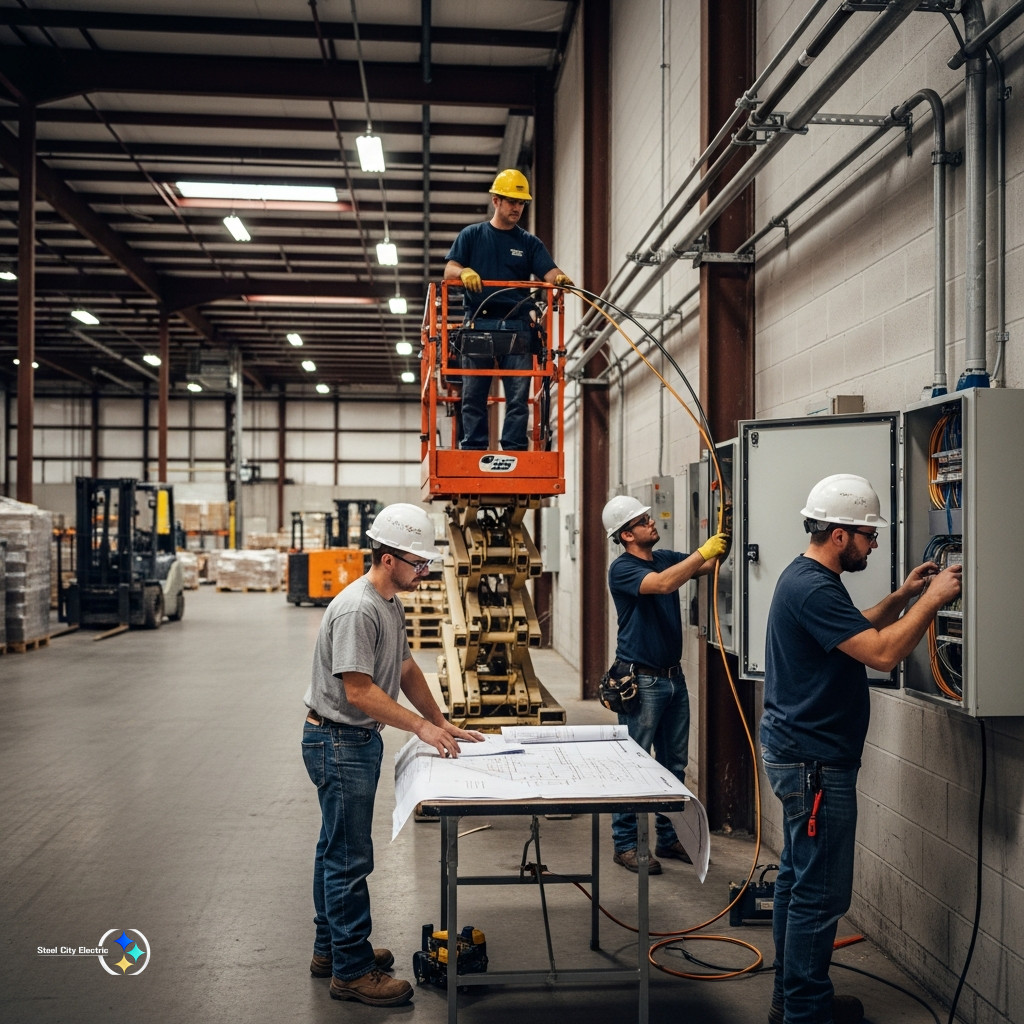
Commercial power never stays exactly how it was laid out on the first set of plans. A tenant brings in different equipment. The back room gets turned into a work area. Somebody adds chargers, pumps, food service gear, or a row of machines that were not part of the original count. A year later the panel is packed full, breakers are warm, and everyone wants to know why the building seems short on power. That is when commercial new electrical service installation becomes less about paperwork and more about what is actually happening on site.
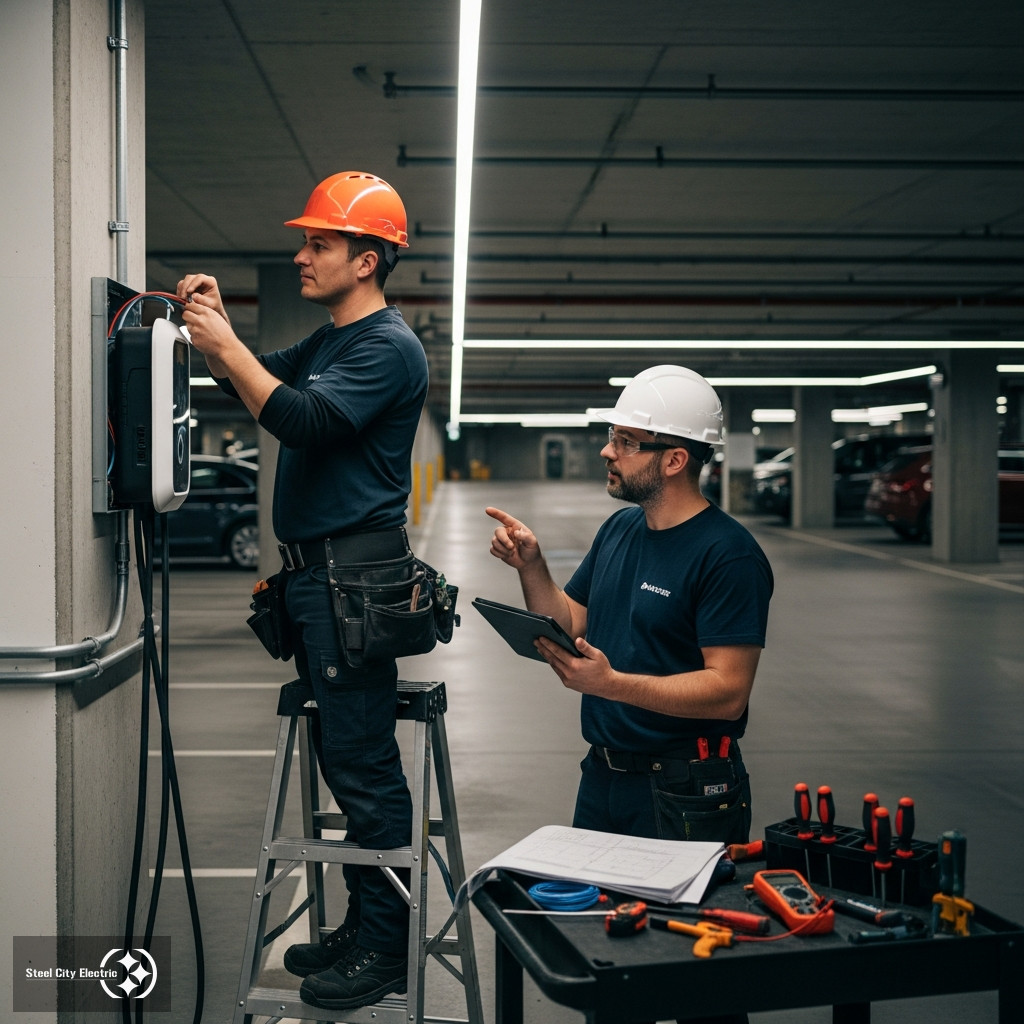
The Dometic all-electric RV water heater mentioned by RV PRO is a small example of a bigger shift. One more propane item gets moved over to electric. In an RV that may clean up the build. In a commercial building, the same idea shows up everywhere. Heat, water heating, vehicle charging, kitchen equipment, shop tools, controls, pumps. It all lands on the service. If that load is not figured before feeders are pulled and gear is ordered, the job can get boxed in fast.
Load calculations are not just a form to keep the permit moving. They decide real things. Conduit size. Feeder capacity. Disconnect locations. Panel space. Utility coordination. Grounding and bonding. Leave out a piece of equipment and the lights may still come on at turnover, but that does not mean the service is right. The problems usually wait until the place is busy. Then come nuisance trips, voltage drop complaints, hot gear, or shutdowns nobody priced into the job.
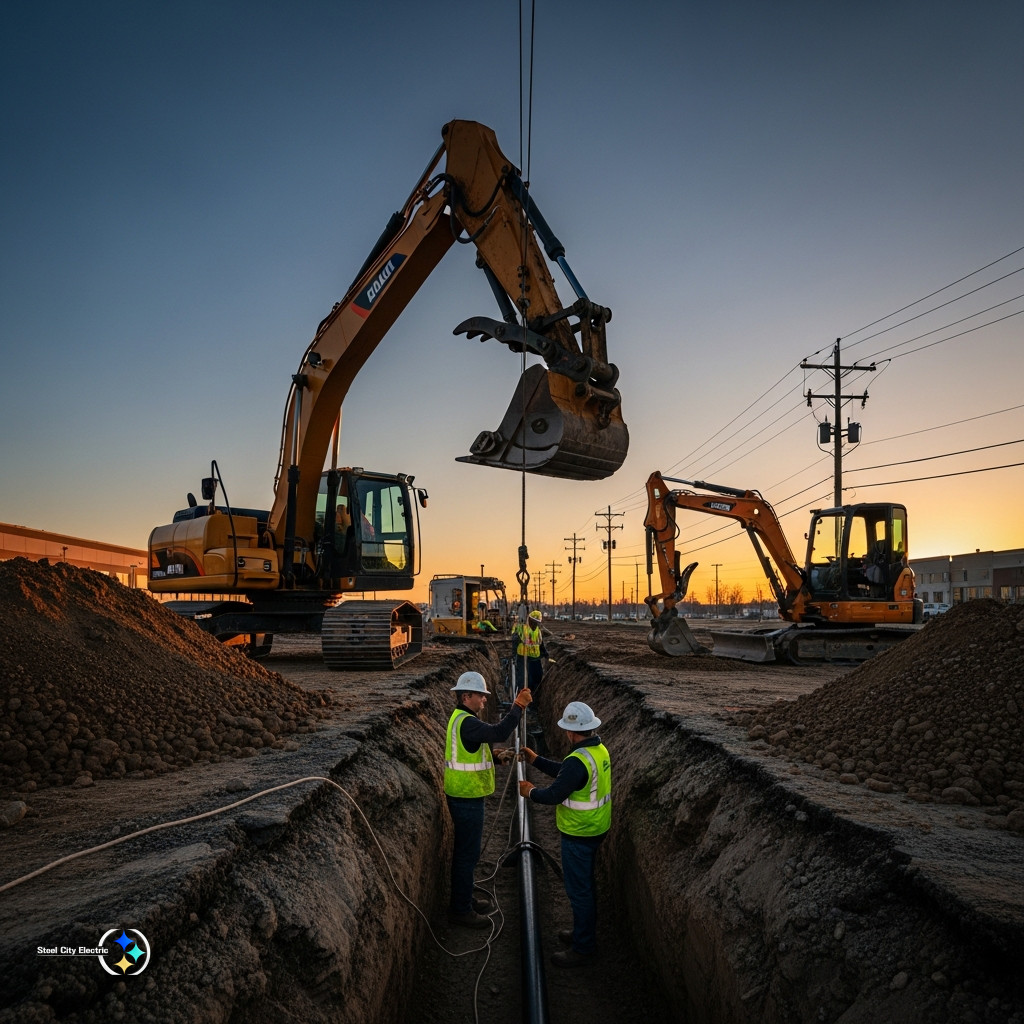
Steel City Electric has dealt with the other side of those decisions in the field. At Stoneybrooke Clubside Condominiums in Sarasota, crews handled underground feeder repair during outage restoration. Work like that is a reminder that bad assumptions cost more once people are already depending on the system. Access is worse. Timing is worse. Everyone is under pressure.
For new commercial service, the plan needs to match the building as it will be used, not just the quiet version shown before tenants move in. Service entrance equipment, metering, feeder routes, panel capacity, and future expansion all need a hard look up front. When the job needs a clean start, a licensed crew for new commercial electrical service keeps the site from ending up with patched power and no room left to grow. Steel City Electric installs commercial service infrastructure with load demand, utility requirements, field access, and long-term use in mind.