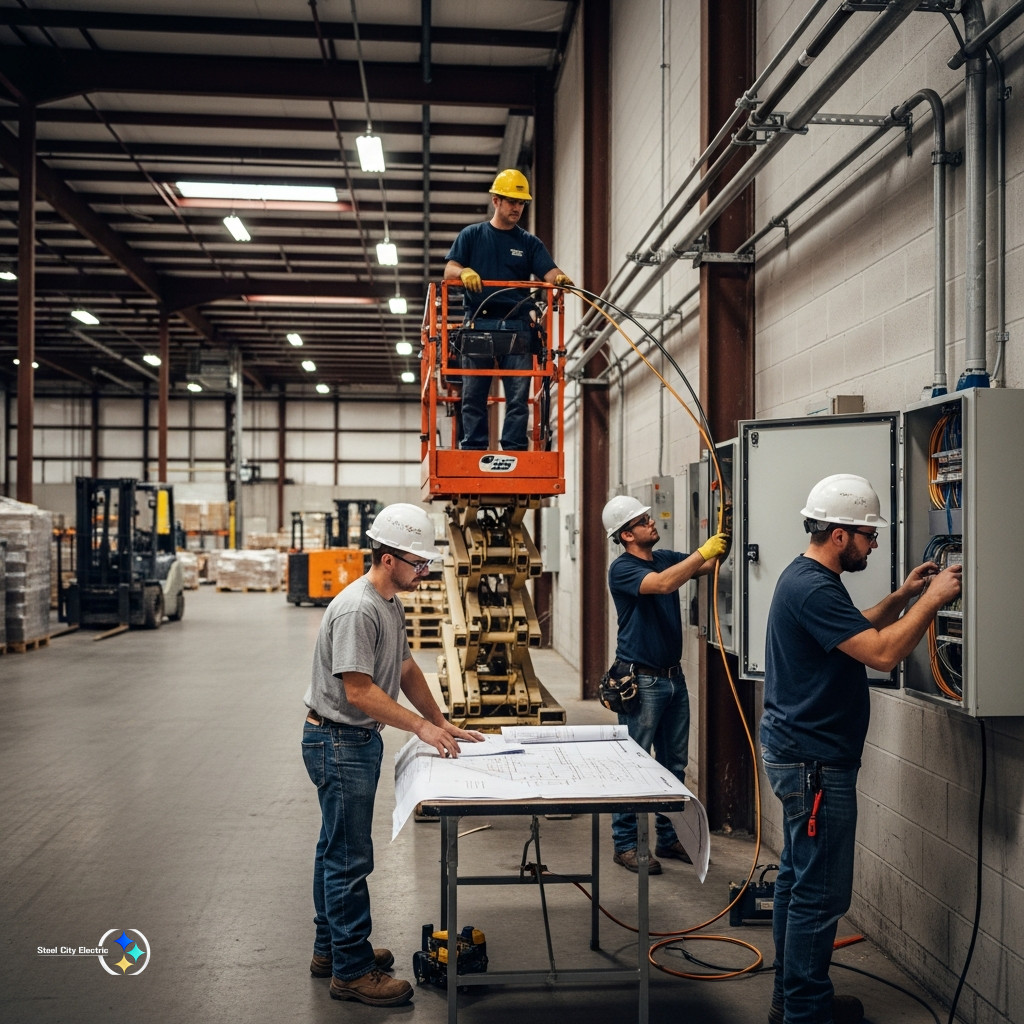
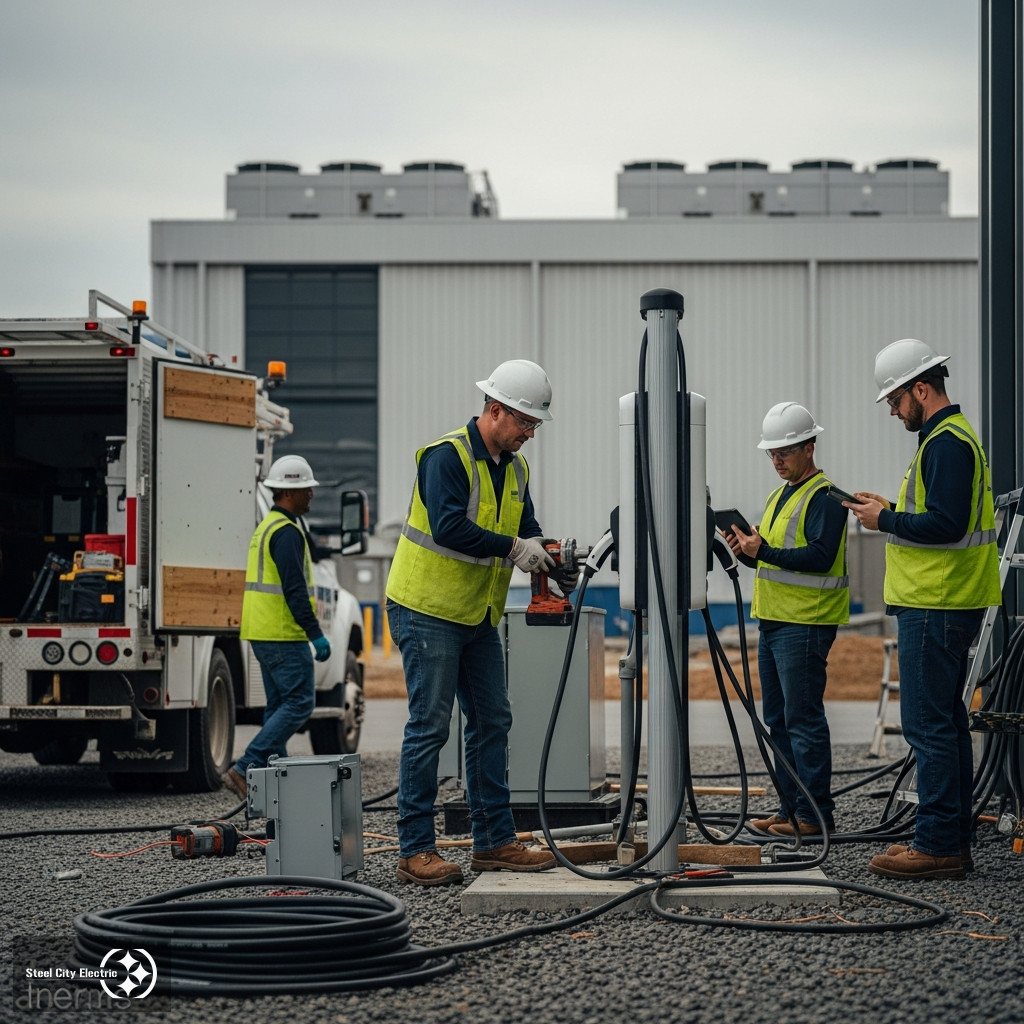
Electrical trouble in a commercial building usually starts ugly, not obvious. A breaker trips twice before lunch. Somebody catches a hot-plastic smell near a panel. A transfer switch hangs up during a storm test. In a data center, warehouse, medical office, or any site with heavy electrical load, that is not background noise. It can be the first sign that gear is heating up, failing under load, or being asked to do more than it was built for.
That is why 24/7 commercial emergency electrical repair matters on these jobs. Not just “send someone tomorrow.” Real troubleshooting means opening equipment safely, checking load, looking for loose terminations, tracing the fault, and making the site safe without knocking out more of the building than necessary. Around servers, UPS gear, cooling equipment, switchgear, and standby power, there is not much room for guesswork.
Solid-state transformers are adding another wrinkle. They are showing up more in data center planning because the loads are dense and the controls are getting tighter. GlobeNewswire recently reported that the U.S. solid-state transformer market for data centers is projected to grow from $40.3 million in 2025 to $154 million by 2030. Silicon carbide equipment and AI-heavy hyperscale work are part of that push. On paper, it sounds clean. In the electrical room, it still has to land on real feeders, grounding, panels, breakers, emergency circuits, and monitoring equipment.
One weak spot can make the failure look like it came from somewhere else. A transformer issue may expose a bad termination. A nuisance trip may point back to overloaded distribution. A new equipment install may uncover old work that was never right. Steel City Electric has run into that on commercial panel upgrade work before, where older gear had to be corrected before the rest of the system could be trusted under load.
Plans help. So do good drawings. But buildings have their own history. Heat, water intrusion, storm damage, tired breakers, corroded lugs, bad labeling, and previous “quick fixes” all show up when demand increases. After the immediate problem is controlled, the repair often turns into a larger commercial electrical repair issue that needs to be handled before another failure repeats the call.
When a critical circuit drops or a panel will not reset safely, waiting can cost more than the repair. Steel City Electric responds to urgent commercial electrical problems day or night with field-based troubleshooting and repair. For help now, schedule commercial emergency electrical service before a small fault turns into a shutdown.