Small solar gear does not always stay “small” once it gets tied into a working commercial service. We see that all the time with add-on equipment. The panel is already full. The schedule does not match what is in the room. A breaker has been changed once or twice. Nobody is sure who fed what. Then a new source gets brought into the conversation and the real questions start. On commercial and industrial electrical installation work, backfeed has to be looked at before the install, not during the last inspection.
pv magazine USA recently reported that Maine joined Utah and Virginia with rules covering small plug-in solar generation devices. Most people hear that and think houses. Fair enough. But the same trouble shows up in commercial buildings, condo properties, retail strips, service shops, and light industrial spaces when another power source touches old distribution equipment. The label on the device is only part of it. The service needs to be checked. Breaker rating, bus capacity, grounding, disconnects, panel condition, available space, and shutdown procedure all matter.
Backfeed is not something to wave through because the equipment looks simple. In the field it can turn into hot conductors, nuisance trips, bad labeling, or gear that stays energized when a tech thinks it is dead. That is how a clean job turns into a delay. Sometimes the crew has to stop until the system gets sorted out. Steel City Electric has dealt with that kind of pressure on real properties, including Suntide Island Beach Club in Sarasota, where storm damage left life safety systems needing careful electrical work before normal operation could be trusted again.
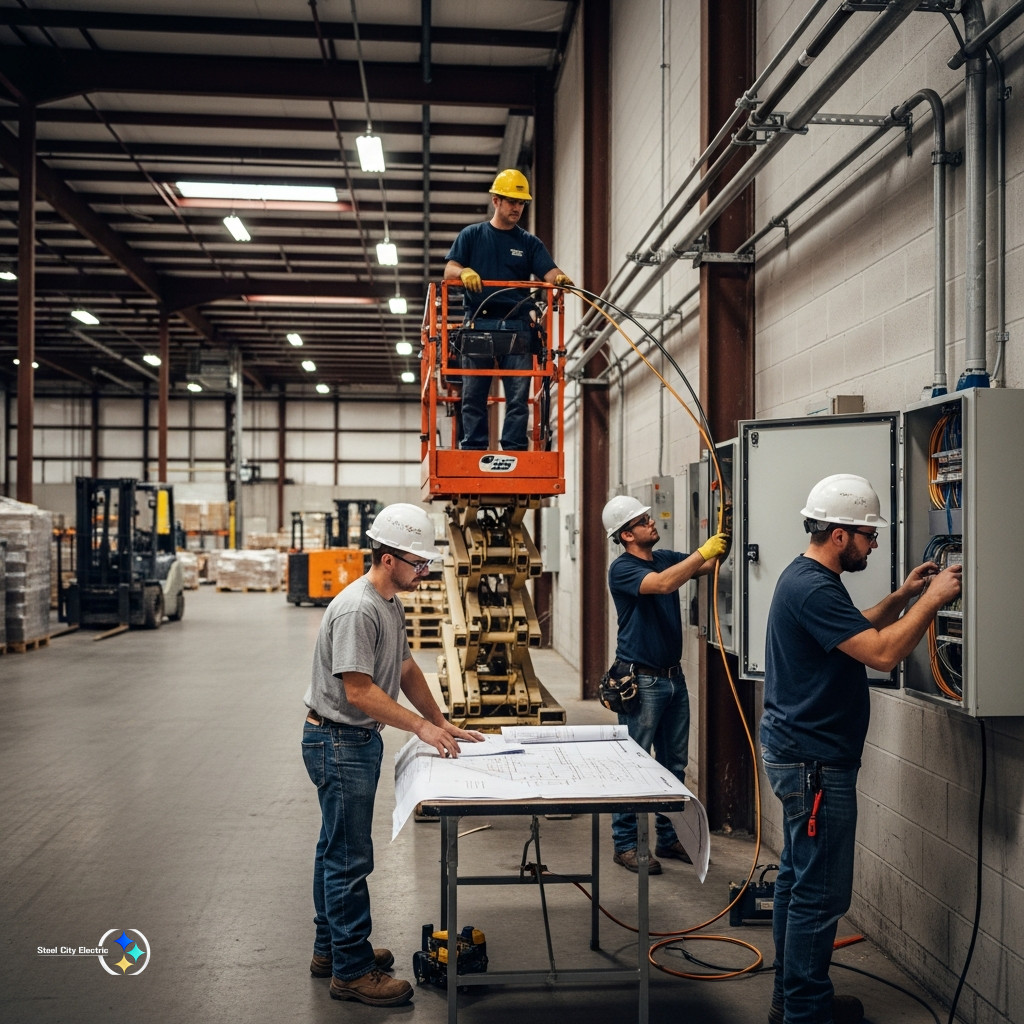
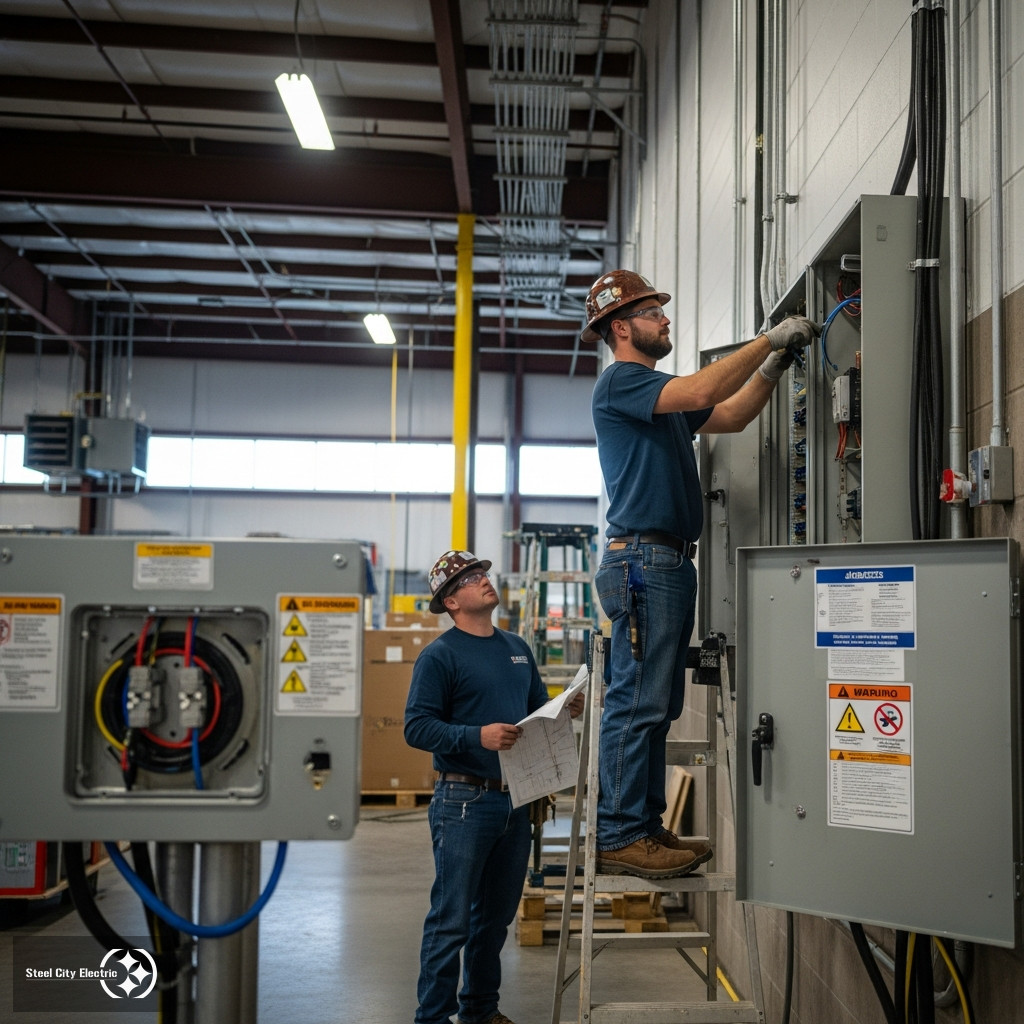
The electrical room usually tells the story fast. Old panels. No spare capacity. Missing directories. Service gear that was fine years ago but not ready for new equipment today. Utility coordination can slow it down too. So can access, tenant schedules, and equipment lead times. That is why Steel City Electric keeps commercial installation planning tied to what is actually on site. A drawing is useful. A field walk is better.
If a facility is adding generation equipment, increasing load, replacing panels, or trying to clean up old electrical work, it is worth getting the installation reviewed early. A load check and a real plan can prevent failed inspections, downtime, and unsafe backfeed conditions. Steel City Electric performs Commercial & Industrial Electrical Installation for buildings that need the work handled safely, plainly, and with the existing system taken seriously.