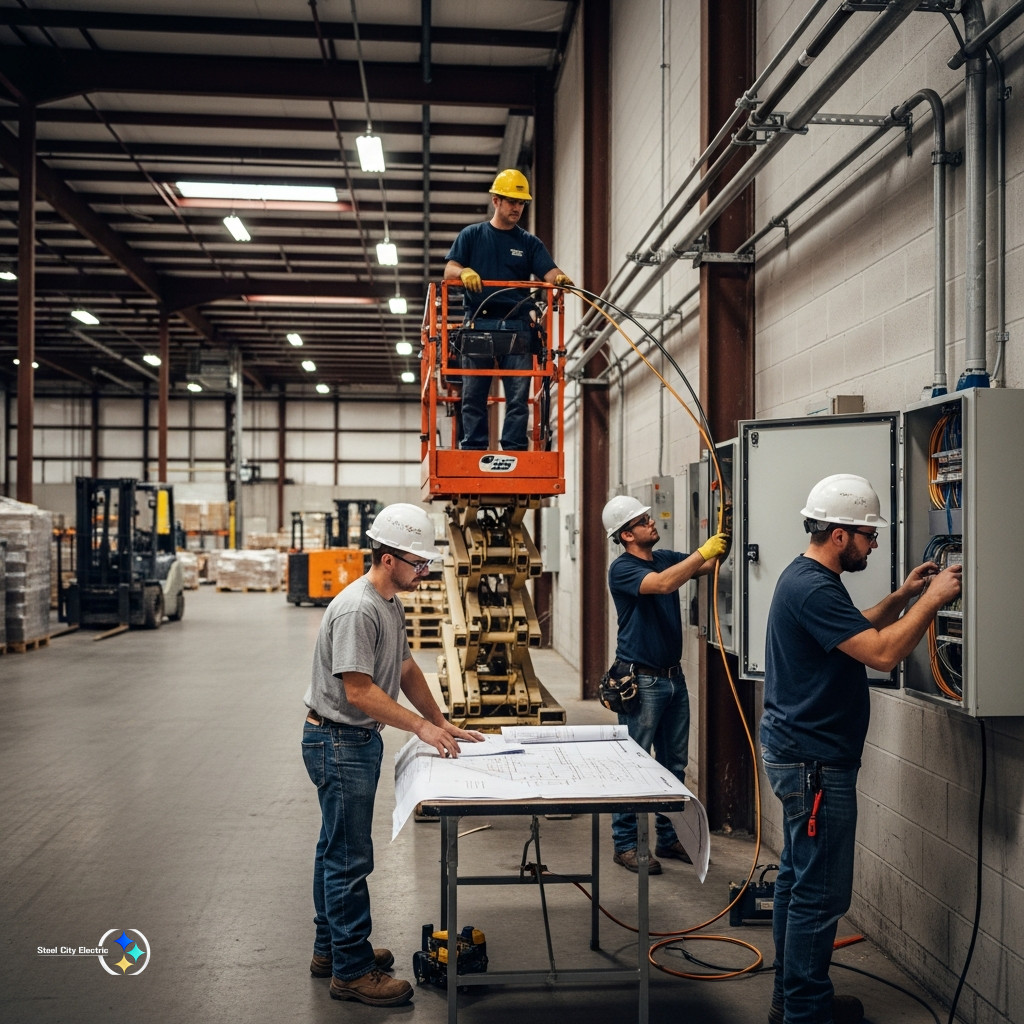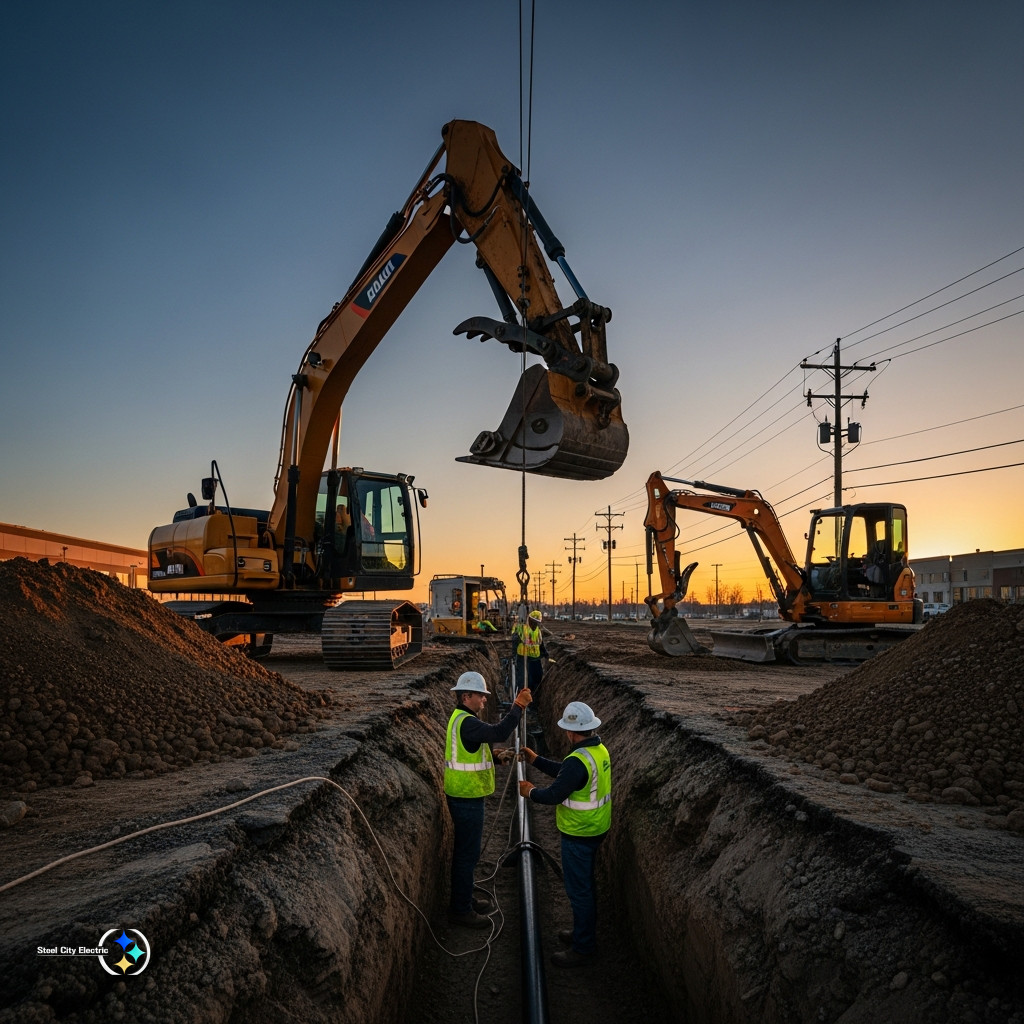
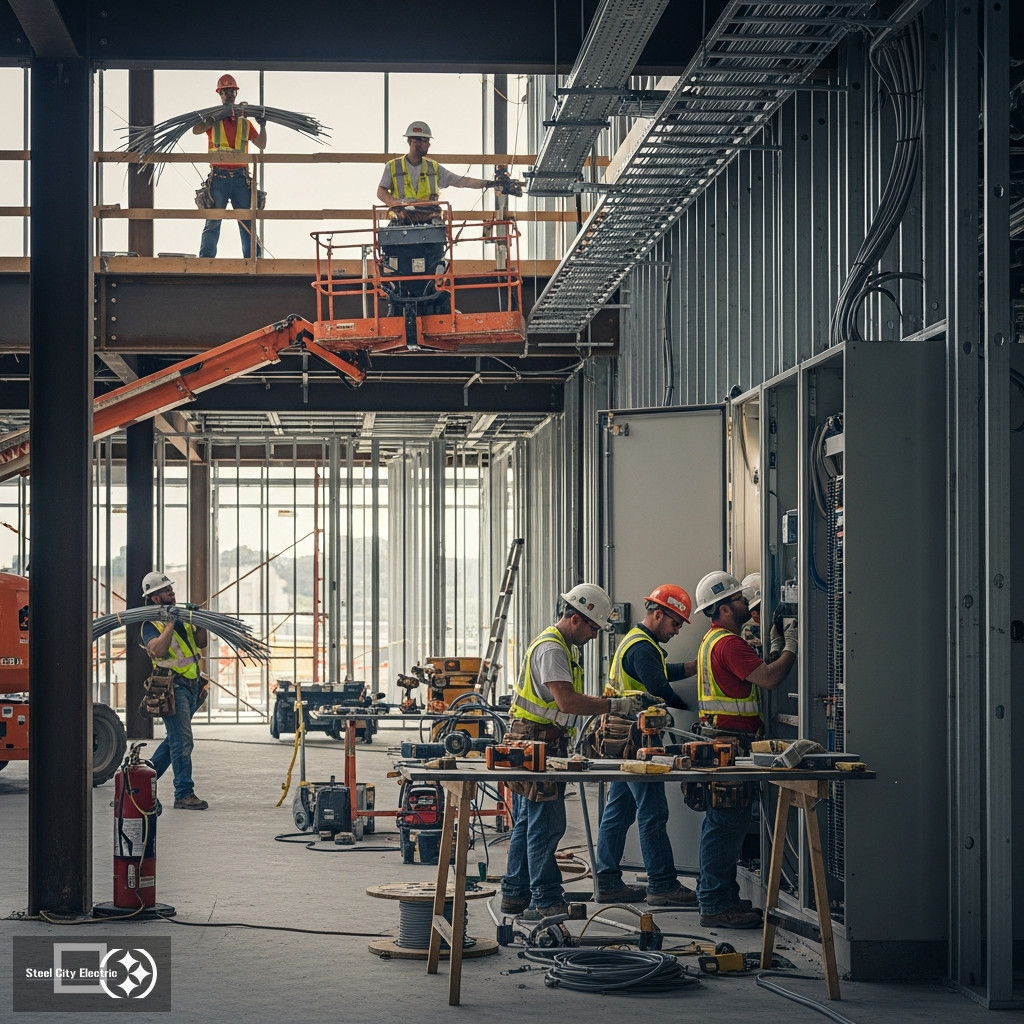
Power on a commercial job is where small misses turn into big schedule problems. It is not just the service shown on E-sheets. It is the gear lead time, utility window, switchgear footprint, panel space, transformer access, inspection notes, tenant loads, and the owner asking about chargers after the slab is already poured. Add onsite generation or EV charging and there is less room to “figure it out later.” If the service was sized tight on paper, the field usually finds out at the worst time.
On commercial new construction, the electrical plan has to leave space for what the building may need, not only what gets installed on day one. A shell space may sit empty for a while. A restaurant pad may change equipment packages. A warehouse office might add chargers once the tenant signs. Conduit paths, spare capacity, disconnect locations, meter setup, and distribution space are not easy to move once drywall is closed or asphalt is down.
The recent Autonocion update about some states allowing permit-free self-generation, while newer NEC language tightens up DIY EV charger installs, is exactly the kind of thing that causes bad assumptions. An owner hears “no permit” and thinks the whole package got simpler. It did not. Commercial EV equipment still adds load. Battery systems still need proper coordination. Backfeed, labeling, disconnecting means, available fault current, and inspection requirements still matter. The building does not care what the sales brochure said.
We run into the same issue on tenant work. Steel City Electric dealt with load-planning questions on the Insomnia Cookies buildout in Florida, where kitchen equipment and service needs had to line up before the walls closed. That is normal field reality. Once stainless, hoods, refrigeration, and panels start landing, late electrical changes get ugly fast.
If chargers, solar-ready conduit, batteries, or backup power are even being talked about, the electrical contractor needs to be in that conversation early. Alongside civil, utility, mechanical, and the GC. Not after gear is bought. Not after permits are nearly locked. One bad service calculation can trigger new panels, utility delays, rework, failed inspections, or a dead area of the building right before turnover. Bigger sites may also need planned commercial electrical services past the first phase, especially when future tenants are still unknown.
Steel City Electric helps owners and general contractors catch those problems while there is still room to fix them on paper. If the project may include EV chargers, onsite power, solar-ready pathways, backup systems, or heavier tenant loads, get the electrical scope checked before procurement gets ahead of the design. A properly timed panel and service upgrade is usually a lot cheaper than cutting into a finished space.