Open the electrical room in a busy commercial space and the panel usually gives away the history. One buildout, then another. New HVAC controls. Kitchen equipment. POS stations. Lighting controls. Chargers. Fitness machines. A few circuits added during a slow season, a few more after a tenant change. Sooner or later there is no clean place left to land the next load. That is when a proper commercial electrical panel installation and upgrade stops being a future item and becomes something operations has to plan around.
A recent industry update from N/A titled “” pointed to the same issue: more equipment is being pushed onto distribution systems that were not laid out for today’s demand. Crews see it all the time. The old panel may not be failing, but it is out of room. Breakers are doubled up where they should not be. Labels are half accurate. Load calculations start to matter again because someone wants to add equipment the building was never meant to feed.
Steel City Electric ran into that kind of pressure on projects like LA Fitness Tampa, where power work had to be handled inside an active fitness facility. That changes the job. You are not working in an empty shell. Members are coming in, equipment has to stay protected, and shutdown time has to be kept realistic.
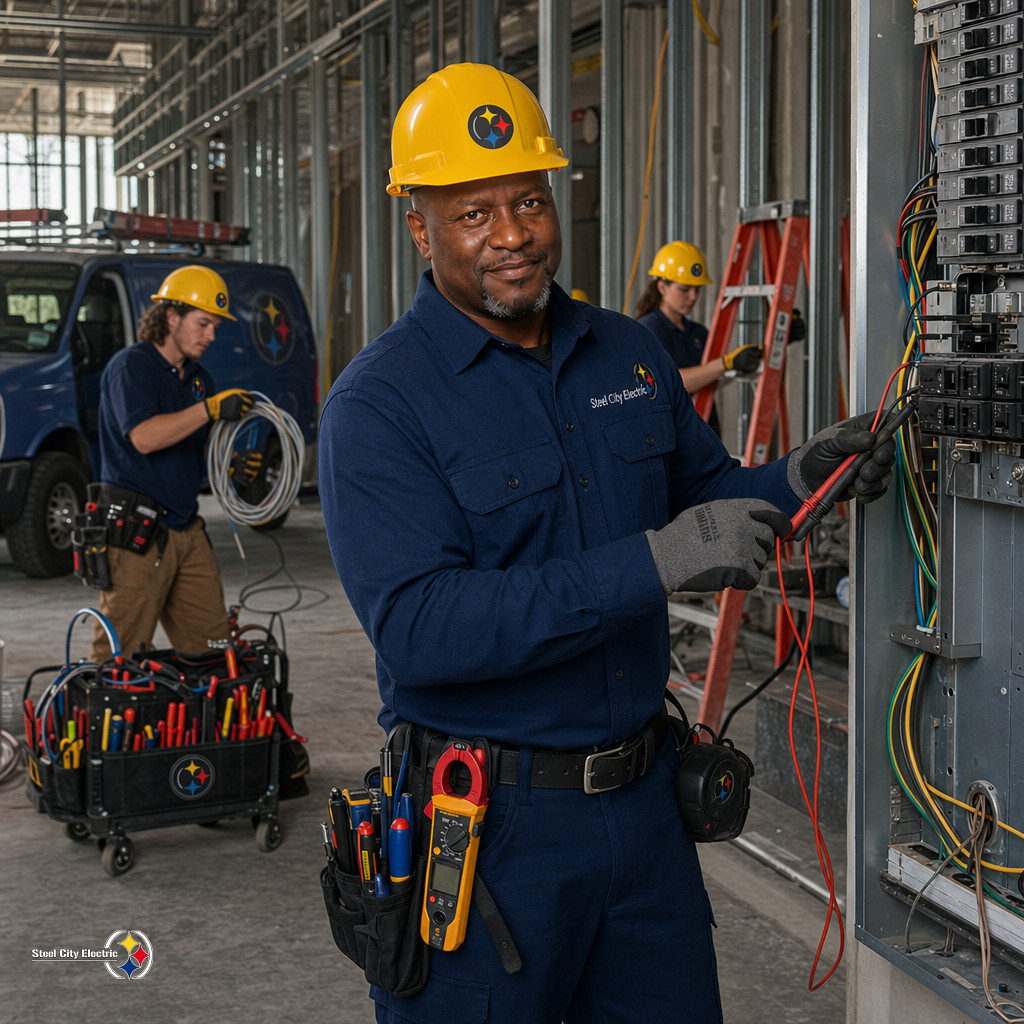
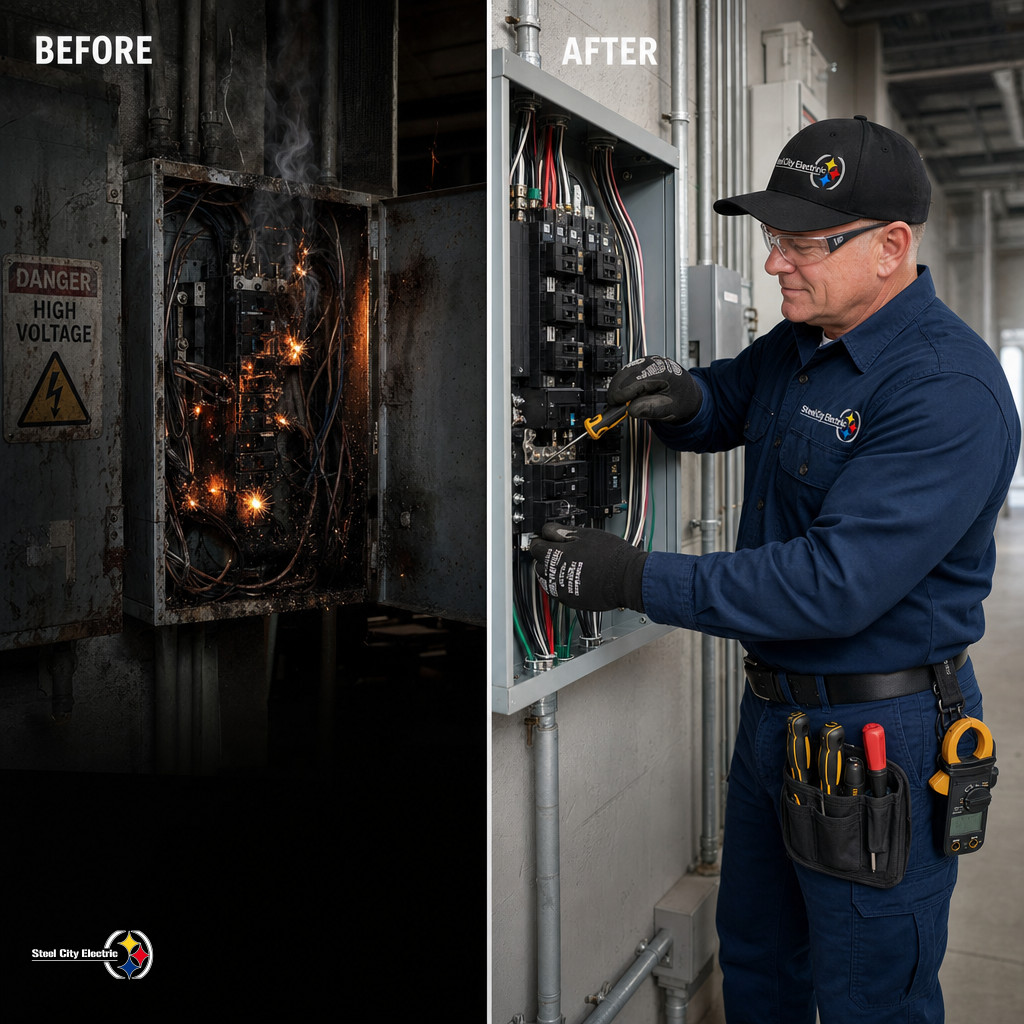
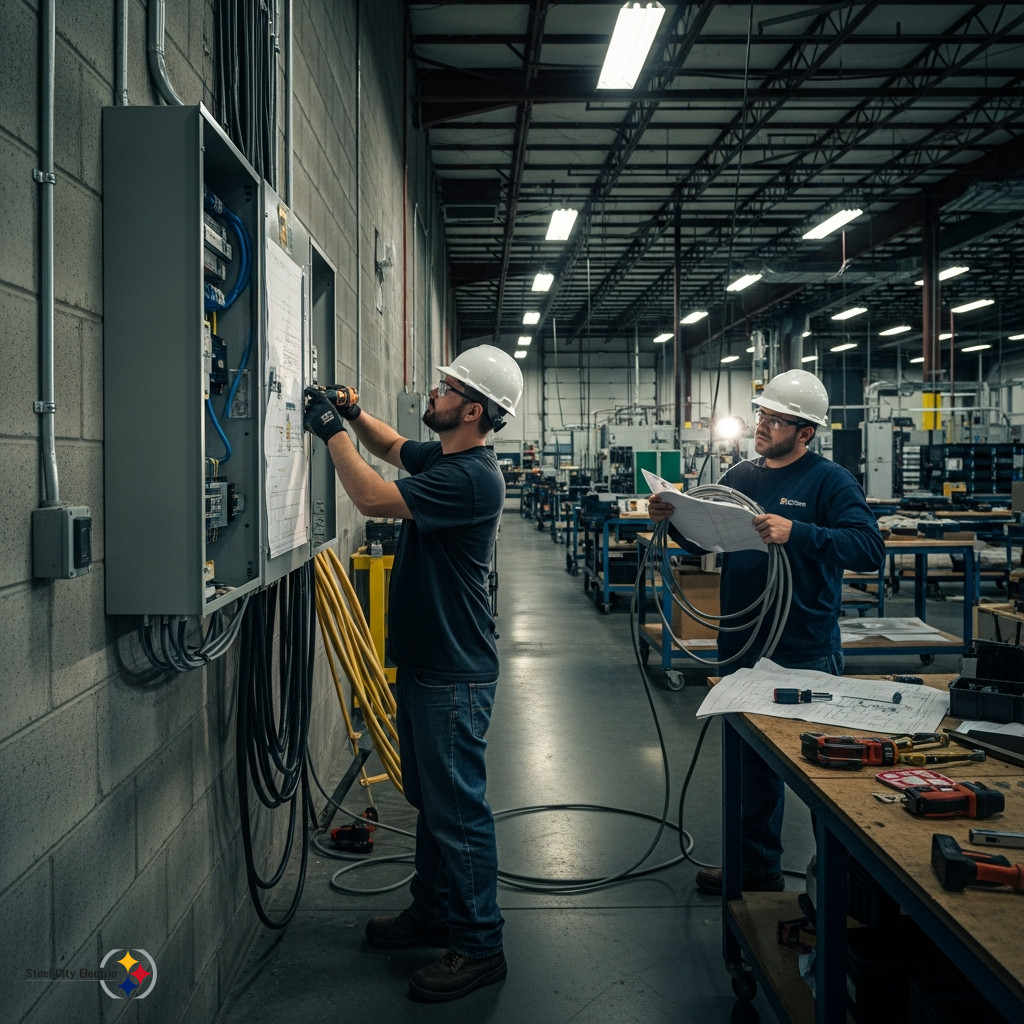
Panel work is rarely just a quick swap. The crew has to look at service capacity, feeder condition, grounding, existing branch circuits, panel location, clearances, labeling, and inspection requirements. Older buildings can be especially messy. Sometimes there are two or three generations of wiring in the same room. Sometimes the cover comes off and the plan changes. That is why layout and shutdown planning matter before anyone starts pulling gear off the wall.
Offices, retail spaces, restaurants, gyms, warehouses, and medical suites all run tighter now. If a tenant improvement, equipment replacement, lighting project, or expansion is coming up, the panel needs to be checked early. Steel City Electric handles commercial panel upgrades with practical field planning, safe installation work, and scheduling that respects the business side of the building. Waiting until breakers start tripping usually makes the job harder and more expensive.