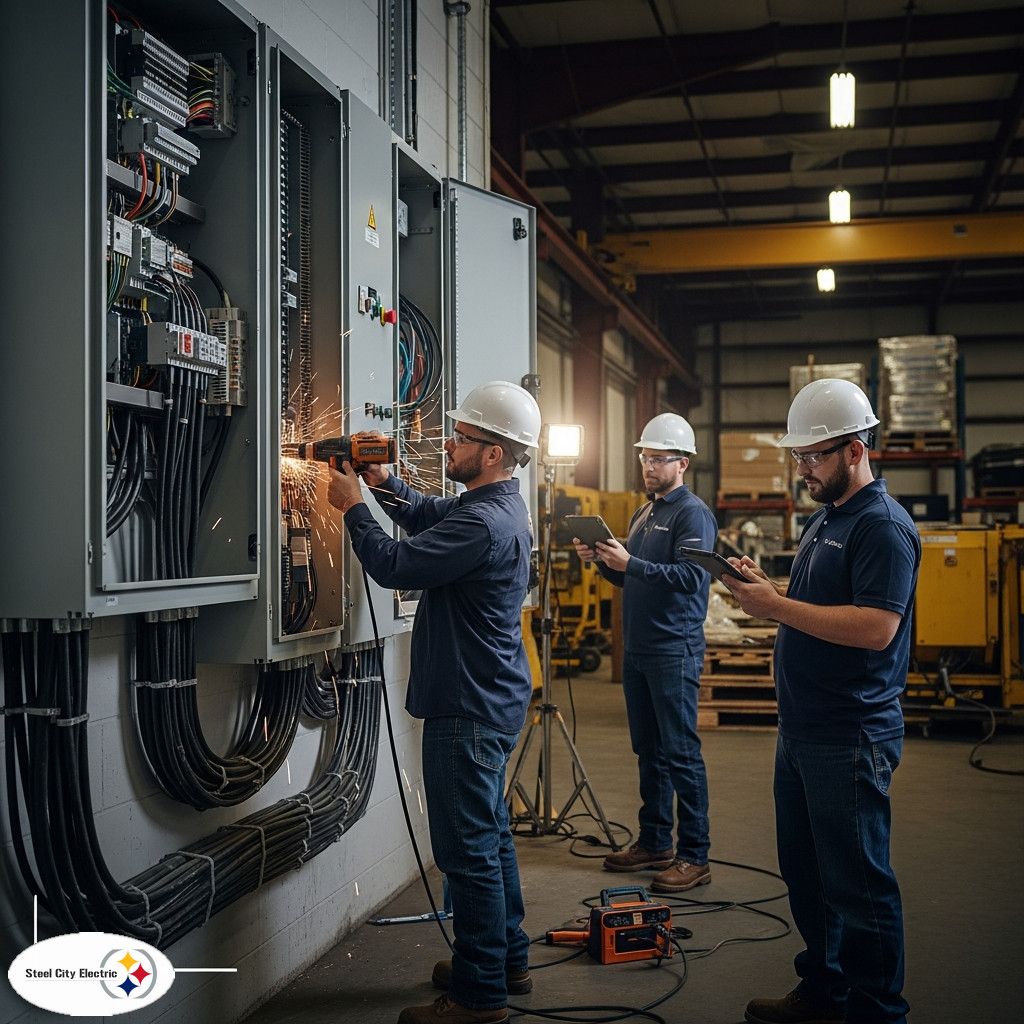
Plenty of commercial panels look fine until somebody actually opens the schedule and tries to add another load. The gear may have been right when the tenant moved in. Then the space picked up extra coolers, office equipment, lighting controls, security, data racks, menu boards, chargers, or new dedicated circuits for equipment that was never part of the first plan. After a while the panel starts telling on itself. Breakers trip. Spaces get relabeled by hand. Nobody is sure what feeds what. That is usually when commercial electrical panel installation and upgrades move from “later” to “we need to deal with this before it costs us a shutdown.”
An industry update from N/A pointed at the same problem: heavier building loads and more lost work time when old infrastructure gets stretched too far. The source title, Rising Load Demands Put Commercial Electrical Panel Upgrades Back on the Schedule as Downtime Risks Grow, lines up with what happens on actual jobs. A panel is not just a cabinet full of breakers. It decides how cleanly a building can take new circuits, how work can be isolated, and whether a simple add-on turns into a mess that affects half the operation.
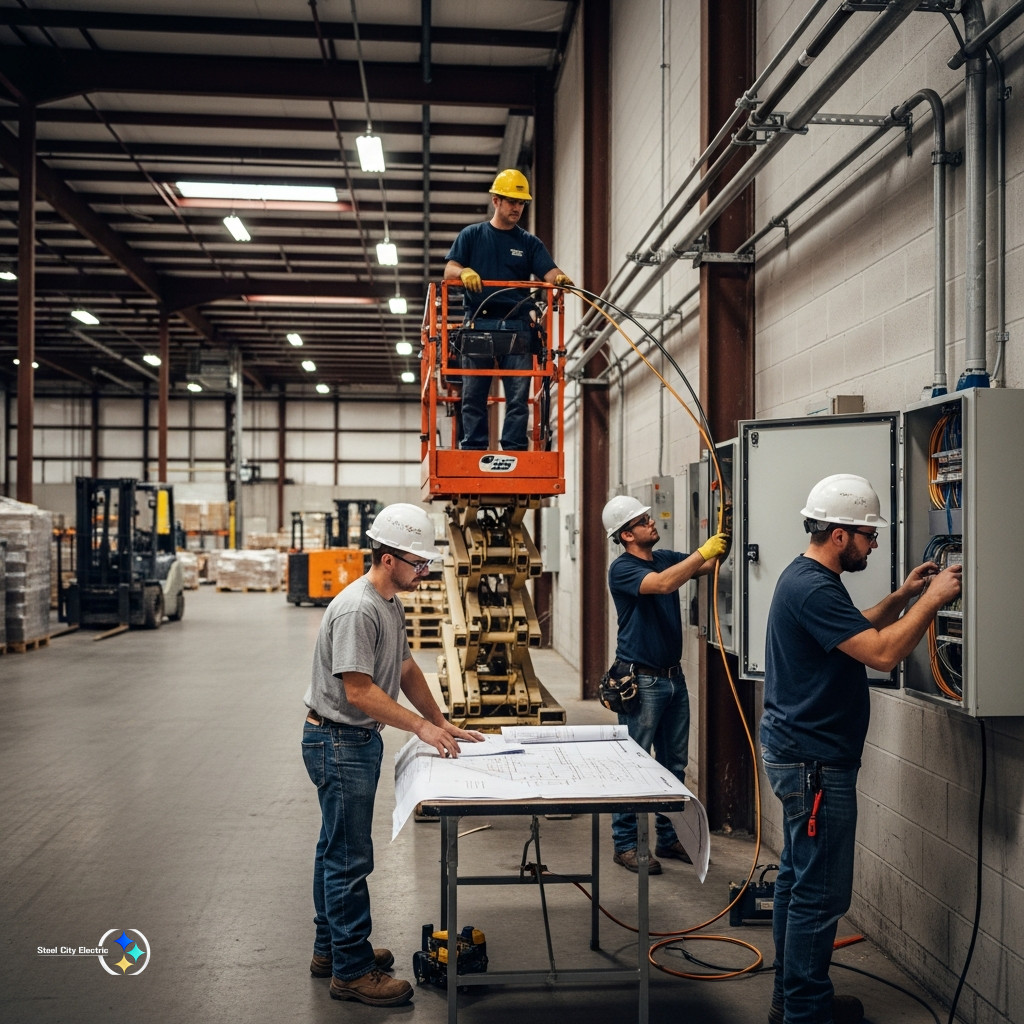
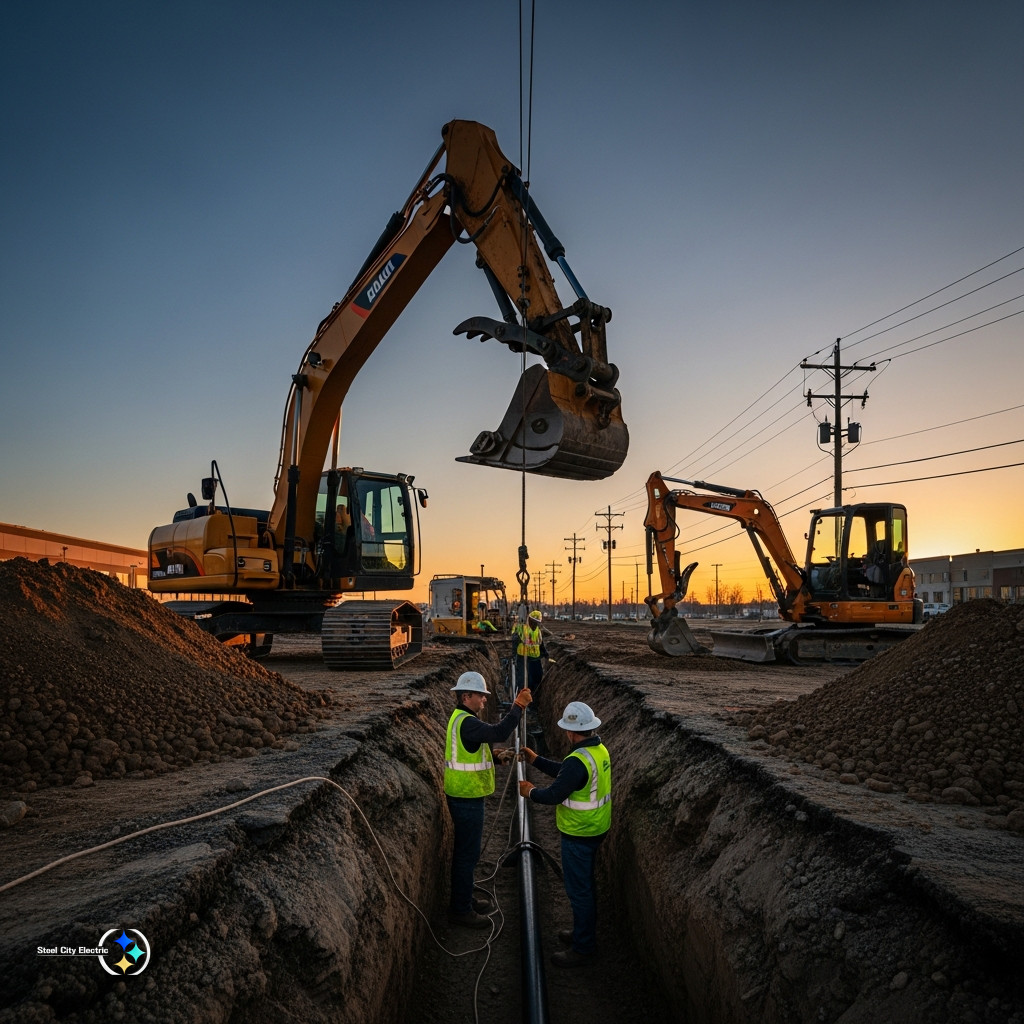
Commercial panel work has to be planned tighter than most people expect. You may be dealing with the utility, service conductors, feeder size, grounding and bonding, available fault current, clearances, panel schedules, inspections, and a shutdown window that cannot hit the busiest part of the day. Sometimes temporary power is needed. Sometimes the real problem is not the panel alone, but the way years of changes were stacked onto it. Steel City Electric has dealt with that kind of load planning on commercial projects such as LA Fitness Tampa, where the electrical system had to keep up with facility needs without creating unnecessary disruption.
Waiting until the panel is maxed out usually makes the job rougher. By then the owner may have tenants calling, staff idle, equipment down, or a contractor standing there with nowhere safe to land a circuit. A properly planned commercial panel upgrade gives the building capacity, cleaner circuit layout, better labeling, and room for the next round of equipment. Steel City Electric approaches this work the way commercial properties need it handled: field check first, shutdown plan, coordination, then installation without guessing.