Power issues in a commercial building usually start small. Lights blink when the place is busy. A rooftop unit drops out and comes back. POS stations reboot. A walk-in cooler throws an alarm. Somebody in the office says the whole panel “felt like it hiccupped.” It may only last a few seconds, but it still stops work. In a restaurant, gym, clinic, warehouse, or retail space, that kind of interruption can turn into bad product, missed sales, locked doors, upset tenants, or staff standing around while the equipment catches back up.
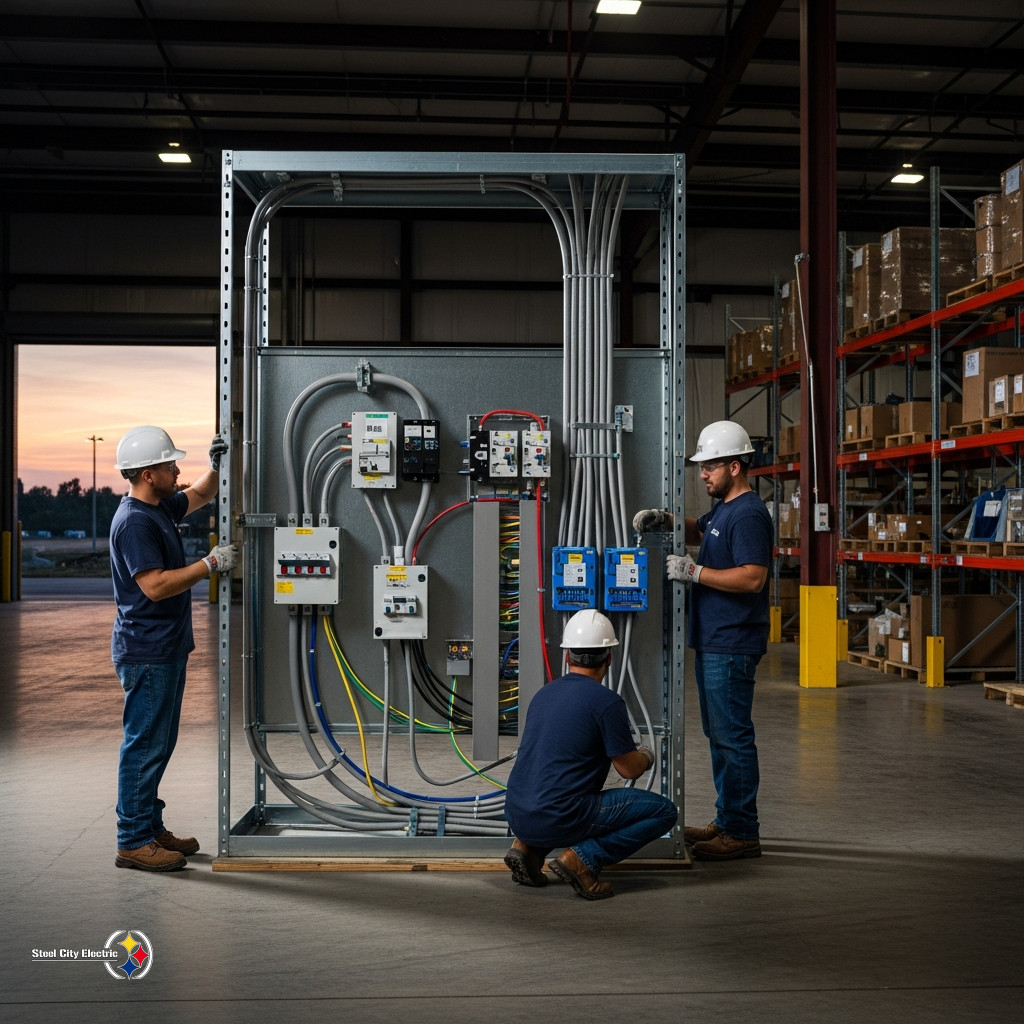
That is why more owners are looking at commercial generator installation before a full outage forces the issue. Heat loads are higher. Storms are a problem. Utility work happens at bad times. Older services are carrying more equipment than they were ever planned for. A standby generator is not something that gets set behind the building and tied in quick. The service has to be looked at. The transfer gear has to match the way the building works. Loads need to be sorted. Fuel, clearances, grounding, permits, shutdown windows, all of it has to be handled before anyone starts cutting power.
Steel City Electric has dealt with this kind of commercial work in live buildings, including electrical upgrade work tied to LA Fitness Tampa. Active facilities are different. People are inside. Equipment is running. The work has to be planned around real hours, not just what looks simple on paper.
The first question is usually not generator size. It is what actually needs to stay on. Life safety circuits, refrigeration, access control, IT racks, selected HVAC, pumps, elevators where required, and the circuits that keep the business usable usually move to the front of the list. Putting everything on backup can get expensive fast. Going too small causes trips, complaints, and another service call. The right answer comes from checking the panels, loads, and how the building is used day to day.
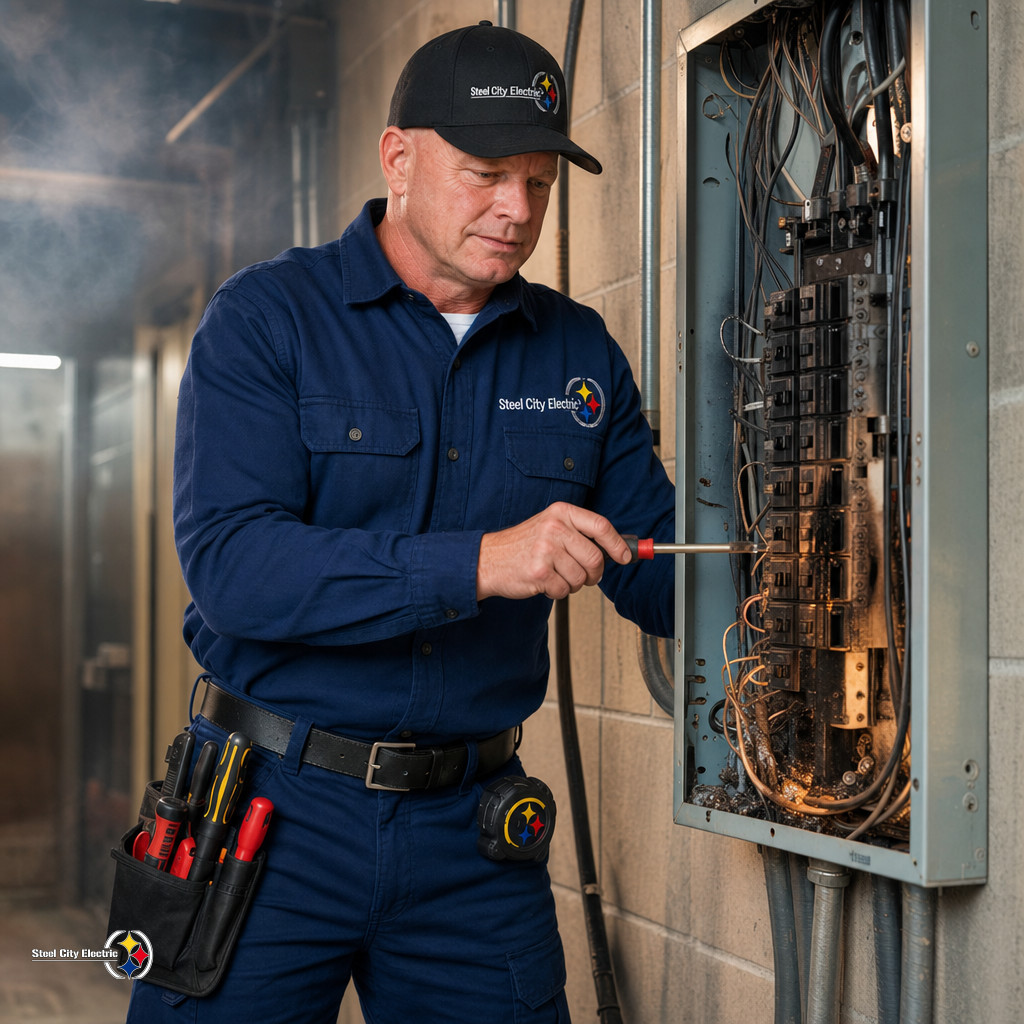
Generator work also has a way of finding old problems. Weak panels, crowded gear, tired feeders, bad labeling, or loads that were added over the years without much planning. Sometimes the job includes automatic transfer switch coordination, panel cleanup, and scheduled cutovers so the owner knows when power will be down. Short outages may be part of the job. Surprise outages should not be.
Steel City Electric installs backup power for commercial facilities that need the work done safely and with the operation in mind. If the building is already dealing with drops, outages, or unreliable utility power, it is better to review the system now than wait until the next failure shuts the place down.