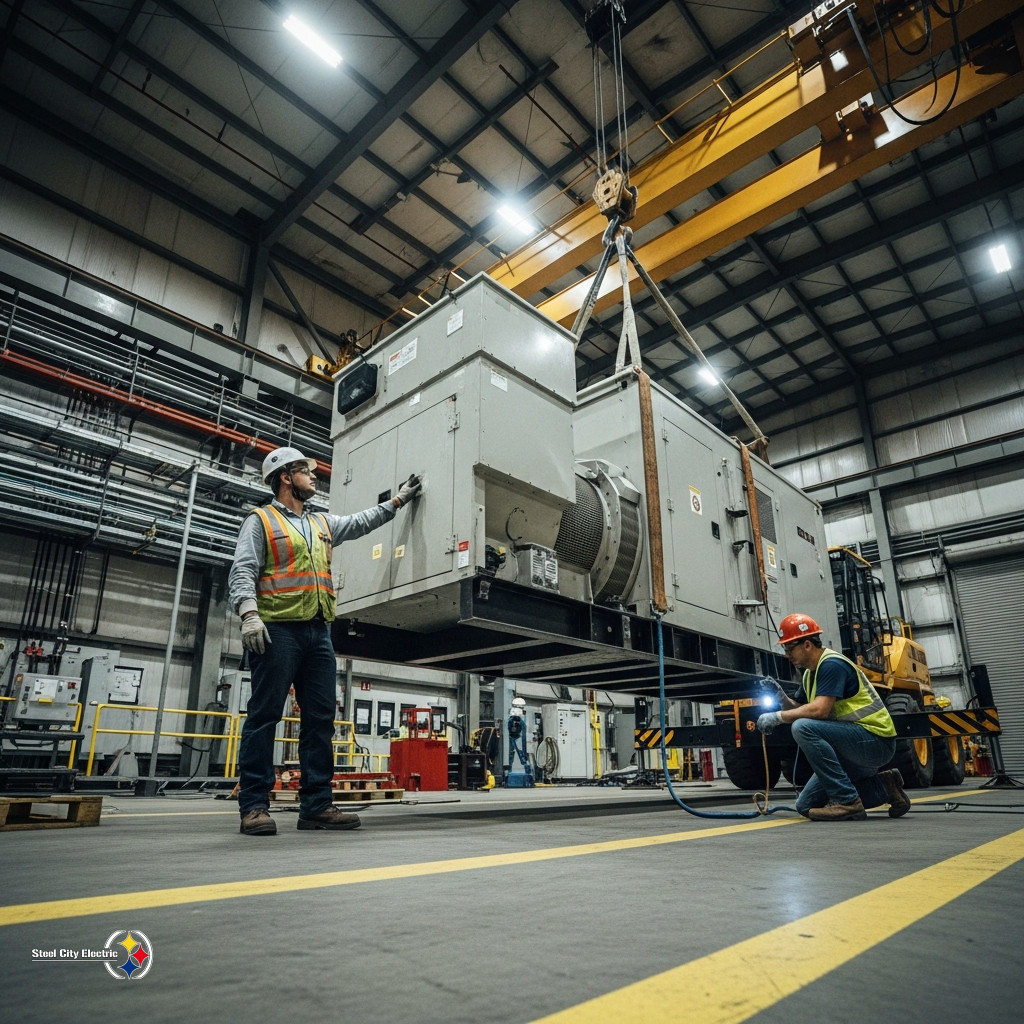
Generator jobs do not fail because the unit is hard to set. Most of the trouble shows up before the crane ever gets called. Bad load information. Old gear with no room left. Transfer switch stuck in a spot that looked fine on paper but does not work once someone opens the electrical room. Fuel line routing. Pad location. Fire marshal comments. Utility coordination. It all stacks up. That is why commercial generator installation has to be walked and planned like a real job, not priced off a neat drawing and a few assumptions.
A recent whatnow.com report, North Texas-Based WBE-Certified Electrical Contractor Files for Chapter 11 Bankruptcy, says Allied Electrical Group of Texas, Inc. filed for Chapter 11 protection. That kind of news may sound like a business issue at first. On active commercial work, it can turn into a field issue pretty quick. Crews get pulled around. Suppliers get nervous. Releases slow down. A transfer switch that was supposed to ship next week suddenly has a hold on it. Then the owner is asking why the temporary setup is still sitting there two months later.
Backup power is not something clinics, offices, retail spaces, or tenant build-outs can keep pushing down the list. When utility power drops, the building either keeps the right loads alive or it does not. There is not much middle ground. Steel City Electric has dealt with that type of coordination on commercial medical space, including PT Solutions Physical Therapy in Florida, where the electrical layout had to be clean, serviceable, and right the first time.
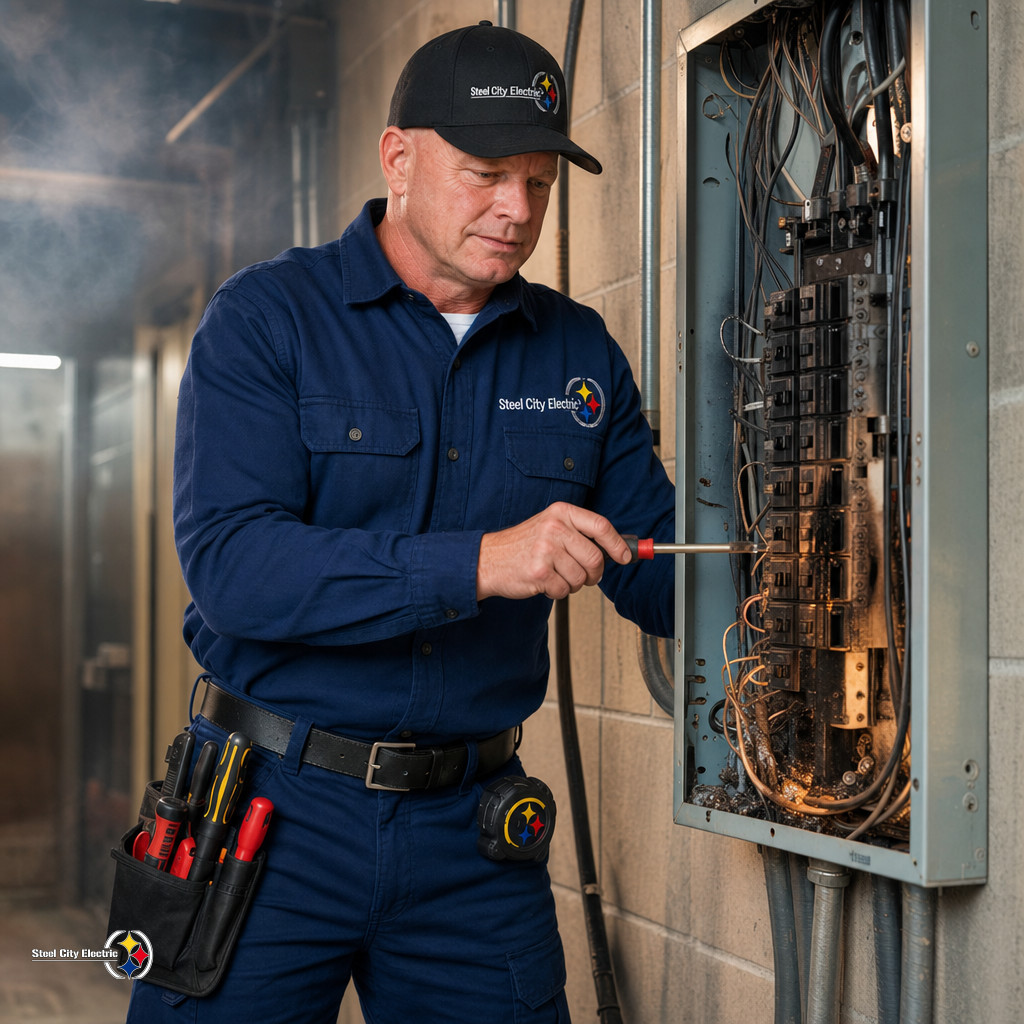
A solid backup generator installation starts with the existing service, not the generator brochure. Somebody has to verify what is actually feeding the building. Critical loads need to be identified. Convenience loads need to stay off the emergency side unless there is capacity for them. The automatic transfer switch needs space, access, and a path for conduit that will not fight every other trade in the room.
Owners should get the system reviewed before a contractor problem, supplier delay, or storm season turns it into a rush job. Check the load. Look at the gear. Confirm the route. Then order equipment with a plan that can survive real site conditions. Steel City Electric handles commercial generator installation that way because it saves headaches later, especially when schedules are already tight.