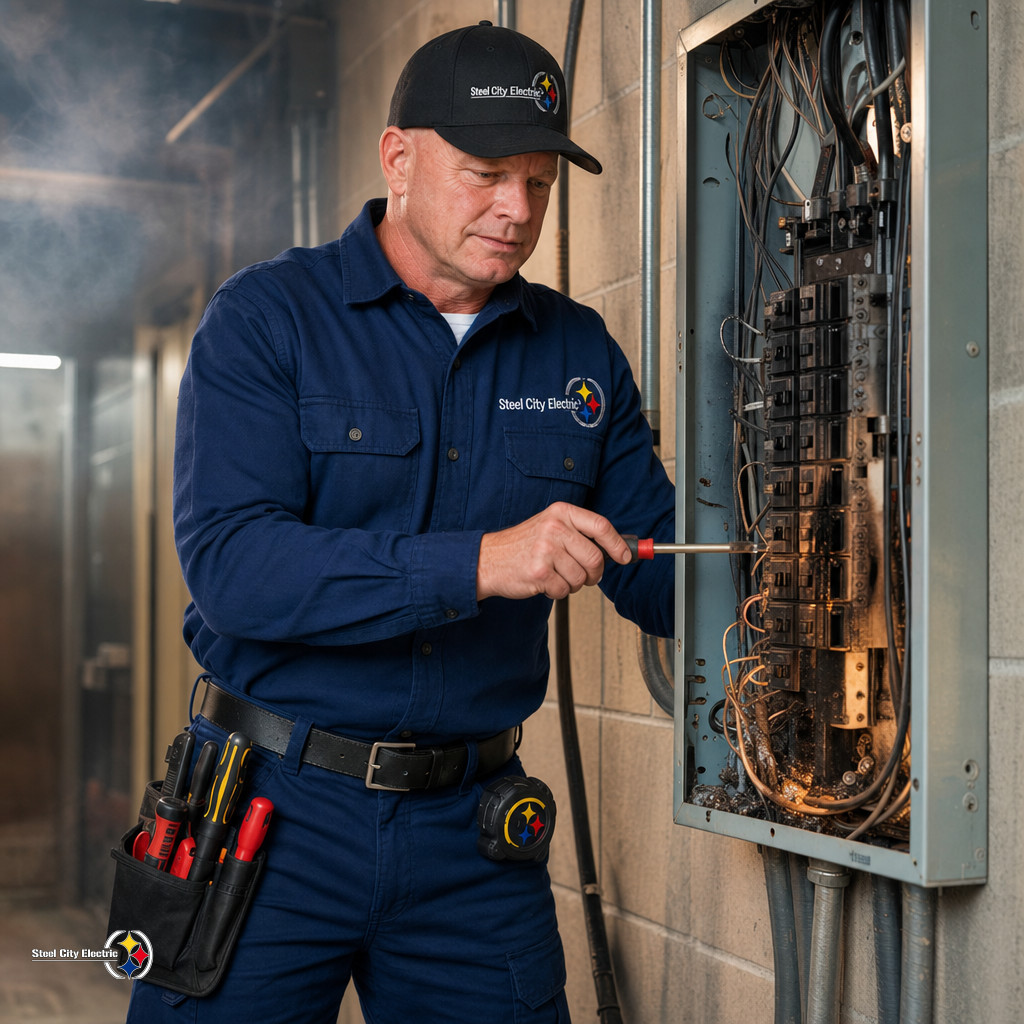

On a big commercial or industrial job, the wire pull is not always what slows everybody down. Most of the headache comes from working around a building that is still open. Tenants are inside. Trucks are backing in. Cameras, coolers, access control, signs, office lights, dock lighting, all of it still has to work. In Florida, shutdown time is usually tight and sometimes it changes the morning of the work. The electrical plan has to fit that window. Steel City Electric runs into this often with commercial industrial electrical installation. A feeder route that was not checked in the field, or a panel swap that shows up late, can turn a normal day into night work real quick.
Recent industry reporting from www.pehub.com noted Veritas to acquire facilities management services firm BGIS, with CCMP Capital Advisors and Alberta Investment Management Corporation listed as sellers. Deals like that may look far away from the jobsite at first. Usually nothing changes for the maintenance guy on day one. Then the reviews start. Electrical rooms get walked. Old panels get tagged. Lighting controls that nobody has touched in years suddenly matter. Switchgear condition, spare capacity, nuisance trips, bad labeling, all of it gets brought back up. That is where field planning counts. You cannot just kill power to a live commercial building and hope everyone works around it. Somebody has to know what goes down, what stays on, and what the load looks like when the building is running for real.
Steel City Electric has dealt with the same kind of pressure on retail projects too, including Foot Locker Sarasota. Smaller footprint, same problem. The electrical work had to track with the tenant buildout, inspections, ceiling work, lighting layout, and store schedule. There is not much forgiveness when one trade gets ahead of another. Bad sequencing shows up fast.
For property managers, facility teams, and owners across Florida, the next step is usually not complicated, but it does need to be done in the right order. Verify the existing service. Open the panels and confirm what is really there. Mark the equipment that cannot lose power. Set temporary power before crews are standing around waiting. Get inspection timing lined up before the shutdown starts. Larger facility portfolios will keep needing commercial electrical installation and repair that is organized enough for operations and practical enough for the field. Steel City Electric approaches that work from the jobsite first, because drawings help, but the building always tells the rest of the story.