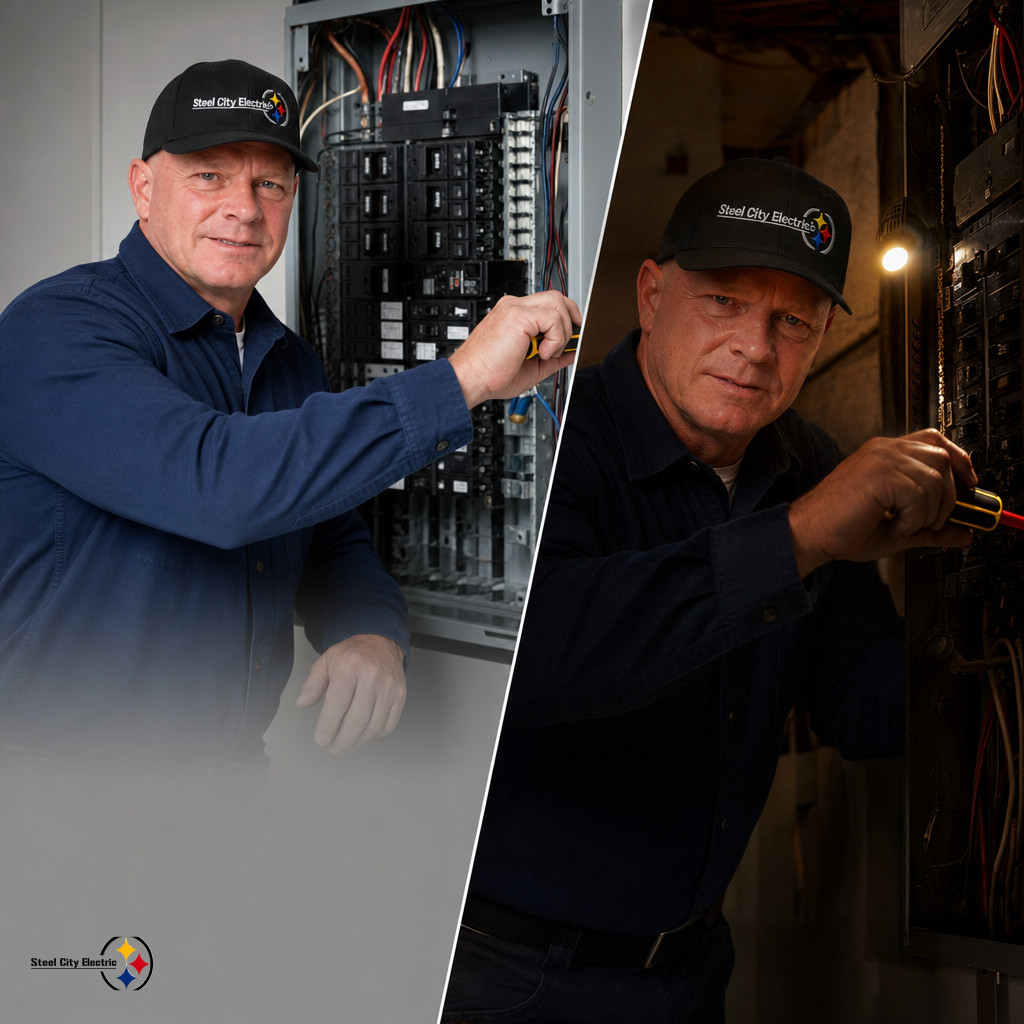
Old commercial panels can sit there for years and nobody says much about them. Lights work. Tenants are open. Breakers are labeled, or at least somebody wrote something on the directory ten years ago. Then a new piece of equipment shows up and the whole thing gets exposed. Rooftop unit swap. New kitchen gear. Fitness buildout with treadmills, lighting controls, signs, cameras, access control, and low voltage racks. What looked like spare space turns out to be a guess.
This is usually when commercial electrical panel installation and upgrades move from “later” to “we need an answer today.” The panel schedule does not match what is in the wall. Breakers are doubled up. Old circuits are abandoned but still landed. Some loads were added years ago with no clean notes left behind. Now the GC is trying to hold rough-in, the tenant is asking about delivery dates, and the owner wants to know why a basic install needs a shutdown window.
Field conditions are usually not as neat as the drawings. That is the part people forget. A panel may have capacity on paper but not in the room. The gear may be obsolete. Breakers may be hard to source. Clear working space might be blocked by storage, plumbing, framing, or equipment that was set after the original electrical install. Inspectors see that stuff. So do electricians trying to make a safe tie-in without killing half the building.
Recent industry reporting has pointed to the same problem across commercial properties. More equipment is being packed into existing spaces, and buildings are expected to stay open while the work happens. Steel City Electric has run into that same pressure on projects like LA Fitness Tampa, where heavier daily use meant the power system had to be looked at as part of the whole facility, not just one panel on one wall.
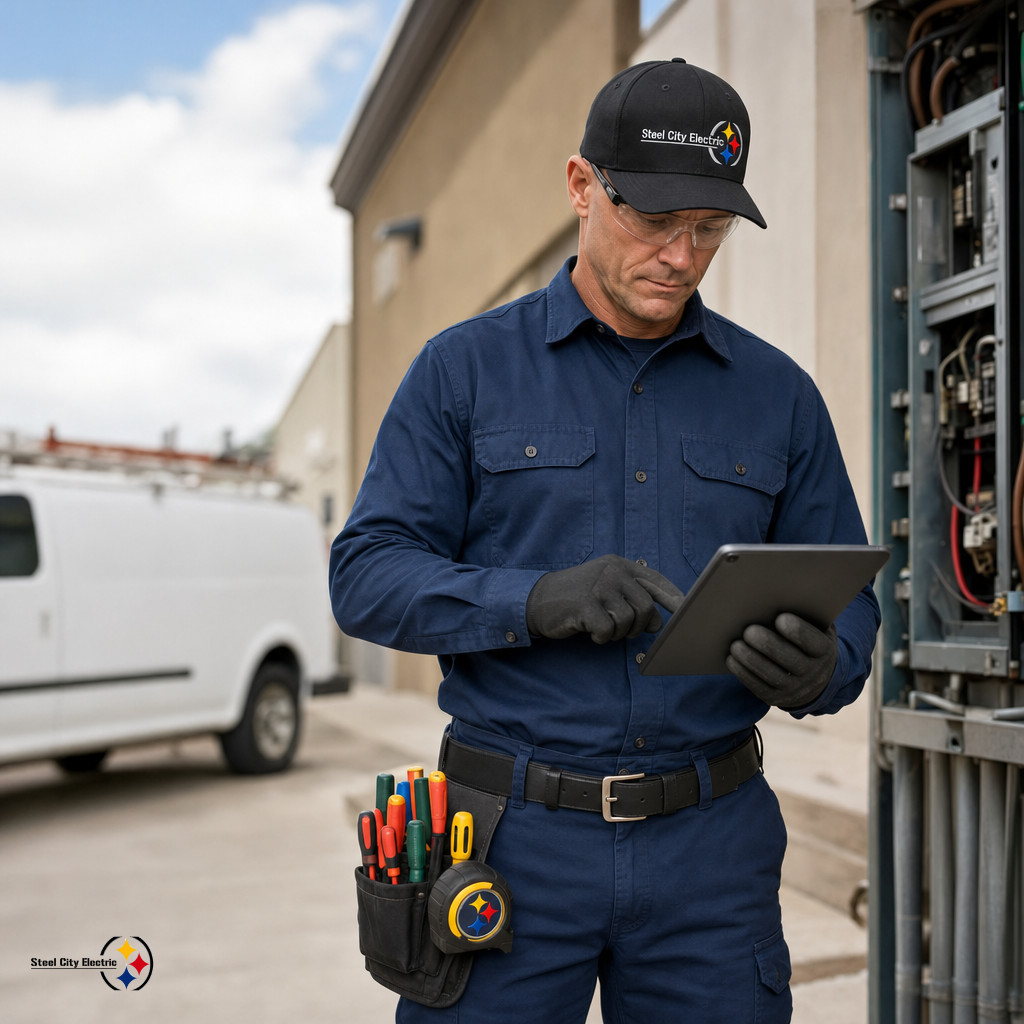
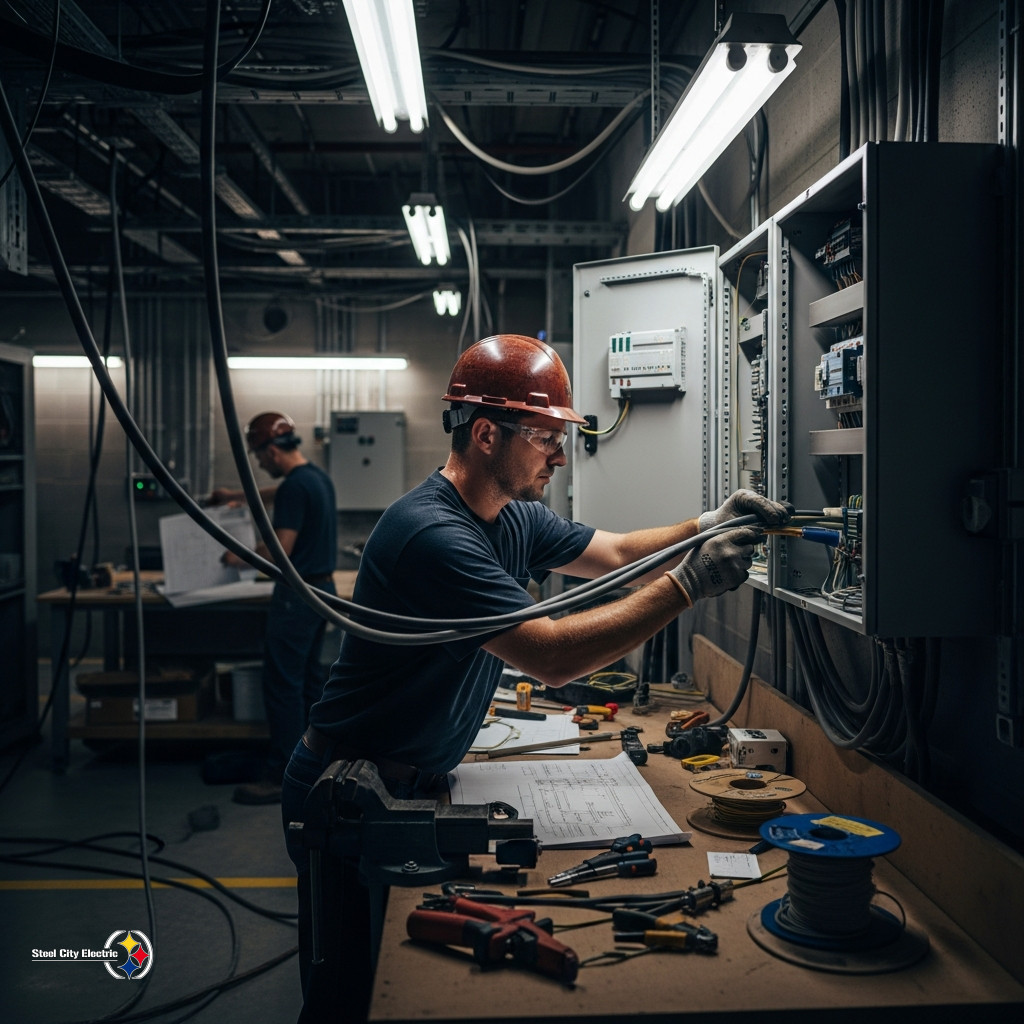
Panel work is not just hanging new gear. It can involve feeder sizing, grounding and bonding checks, utility coordination, breaker lead times, temporary power, phased shutdowns, and clear communication with tenants. In an occupied space, tracing matters. Nobody wants to find out the cooler, POS system, server rack, security panel, or access control is tied into something nobody documented.
Owners, property managers, and general contractors are better off checking panel capacity before equipment lands on site. If the existing gear is overloaded, damaged, mislabeled, obsolete, or simply out of room, Steel City Electric can plan the right commercial panel upgrade before it becomes a shutdown problem. Guessing in the field gets expensive. Good layout and clean electrical work keep the buildout moving.