As Wisconsin updates residential electrical codes this fall, commercial underground electrical utility installation timing gets harder to ignore
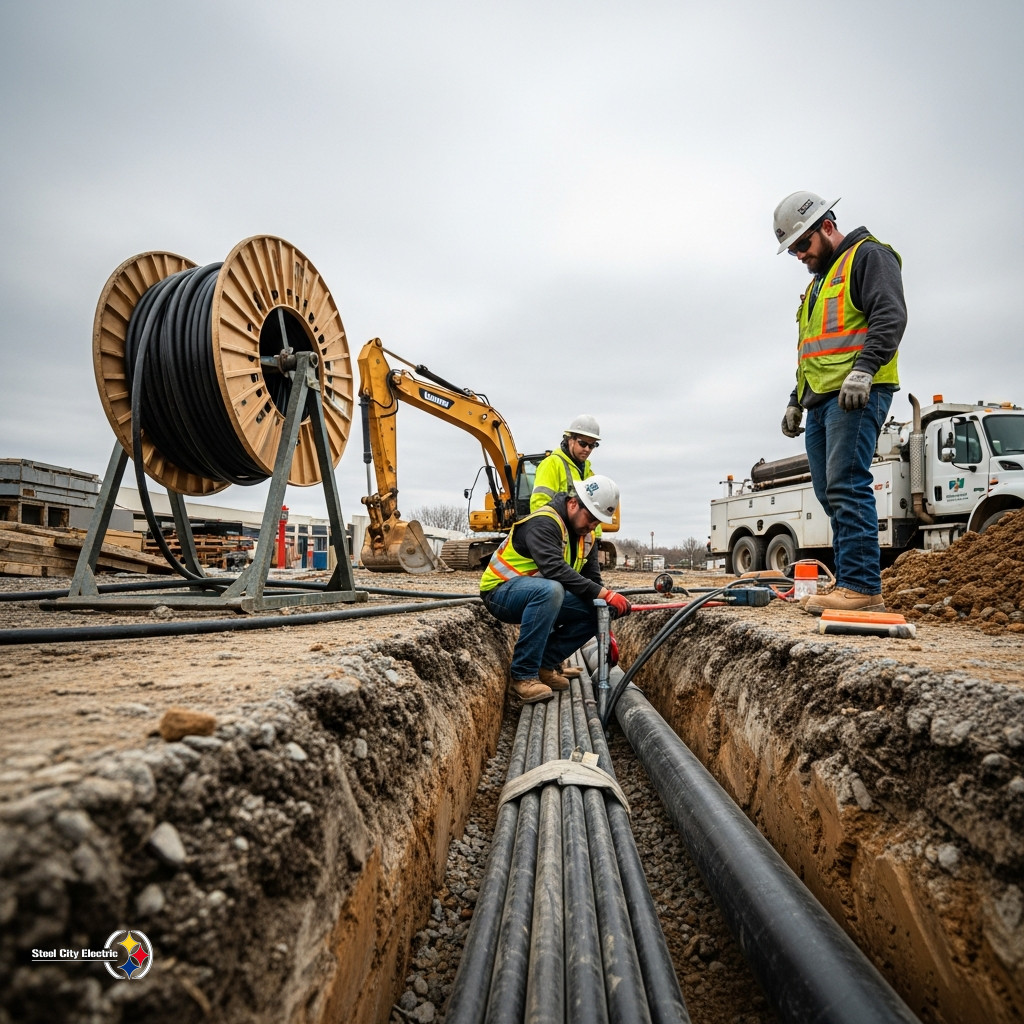
Underground electrical on a commercial job is one of those items that looks simple until the machine is in the dirt. The print shows a clean run. The site gives you a storm line, soft trench walls, an old feeder that is not where the markout said it was, and a utility appointment that moves because somebody missed an inspection. Around Palmetto, Florida, that can throw off more than the electrical schedule. New service, site power, utility routing, transformer pads, pull boxes, trench depth, and access for the power company all have to land in the right order. Other trades are usually working the same area too. That is why commercial underground electrical utility installation needs to be planned before the site starts getting tight.
A recent report from dailyreporter.com titled Wisconsin enacting new residential electrical codes in the fall said plans submitted to DSPS starting in September 2026 will need to follow rules based on the 2023 National Electrical Code. That is residential code news out of Wisconsin, not a Florida commercial rule change. Still, it is the kind of thing contractors notice. Code updates usually mean more detail in plan review, cleaner documentation, and fewer chances to sort it out later in the field. Inspectors get sharper. Owners hear fewer maybes. The work has to be coordinated earlier.
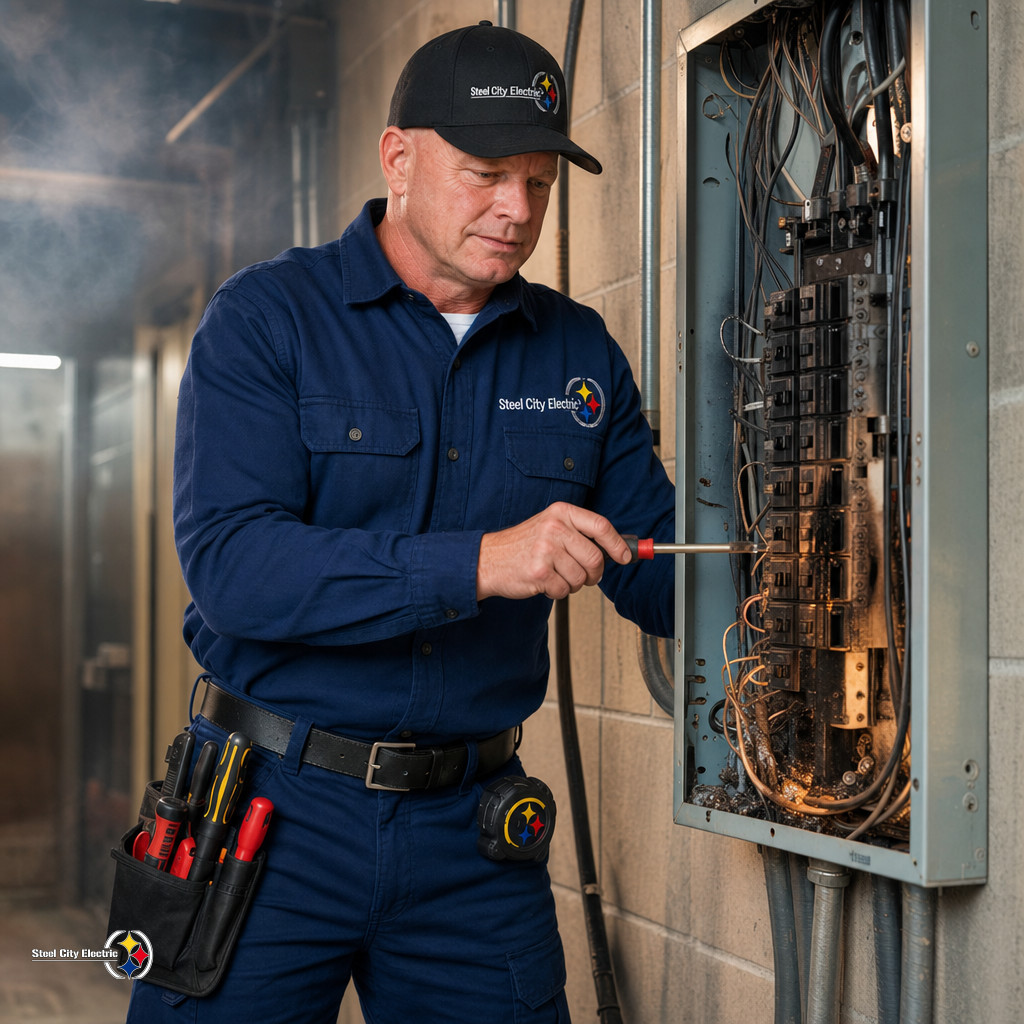
On commercial underground utility work, late decisions cost real time. A sleeve missed under a drive lane can turn into sawcutting and patching. A conduit that looked big enough during budgeting may not work once the load changes. A service layout can look fine on paper until the utility wants different clearance or truck access. Sometimes the new scope is not the biggest problem either. The trouble is old underground infrastructure being asked to carry modern loads. Steel City Electric has dealt with that kind of pressure before at Stoneybrooke Clubside Condominiums in Sarasota, where underground feeder repair had to be handled with people still living and moving through the property.
For Palmetto commercial owners, builders, and site contractors, the underground electrical route should be checked while changes are still cheap. Before paving. Before curbs lock everything in. Before walls are framed and everyone is asking why power is not ready. Site lighting, equipment feeds, backup power pathways, new utility service, and future expansion all affect what goes in the trench. Steel City Electric lays out commercial underground electrical utility installation around the real field conditions, the utility company’s requirements, and the inspection path, because buried power is not the place to guess.