Babu’s Power Bill Cut Puts Commercial Underground Electrical Utility Installation Back on the Jobsite Radar
Power bills usually become a conversation after the building is live and somebody in the office opens the first ugly statement. Out in the field, the warning signs show up earlier. Wrong trench path. Undersized conduit. Transformer location that looked fine on paper but blocks access once deliveries start. Wet soil that will not cooperate. Utility dates that slide a week and then jam every other trade behind them. Around Parrish, commercial pads are going in fast enough that underground service work cannot be treated like a late checklist item.
A recent report from www.gulte.com titled For a Change, Babu Brings Down Power Bills! said electricity users in Andhra Pradesh got some relief after years of added True Up and FPPCA charges. Different place, different system. Still, the reaction is the same anywhere. When power costs get attention, owners start asking what else in the electrical setup is costing them money. Lights and panels get blamed first. The underground route should get looked at too, because that is where a lot of expensive decisions are buried for good.
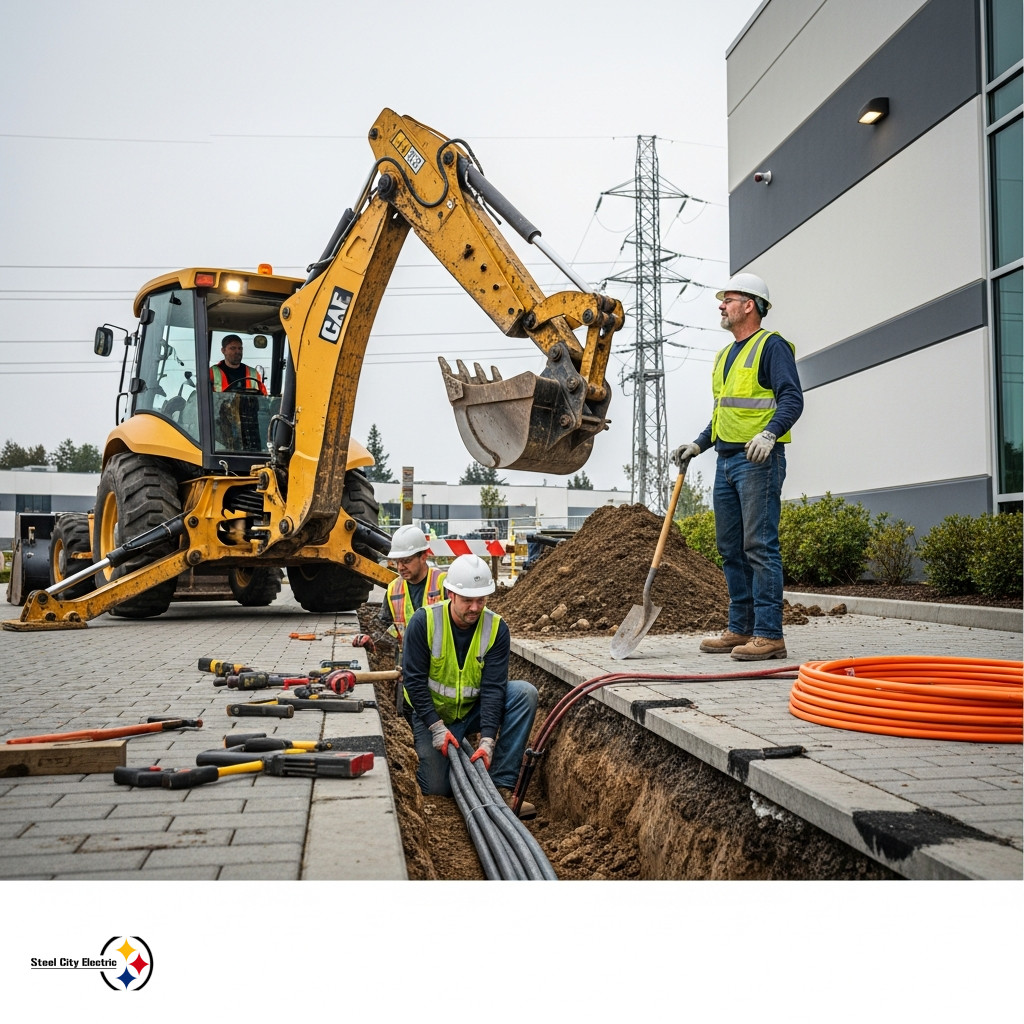
On a commercial property, commercial underground electrical utility installation is not just pipe in the ground. It controls how cleanly service reaches the building, how much room there is for future load, and whether maintenance access becomes simple or miserable. Put the wrong size in, miss a pull point, or forget the tenant change that is probably coming next year, and the fix is not pretty. Sawcut asphalt. Tear up sod. Move equipment. Shut down part of the property. That is the kind of rework nobody wants to explain.
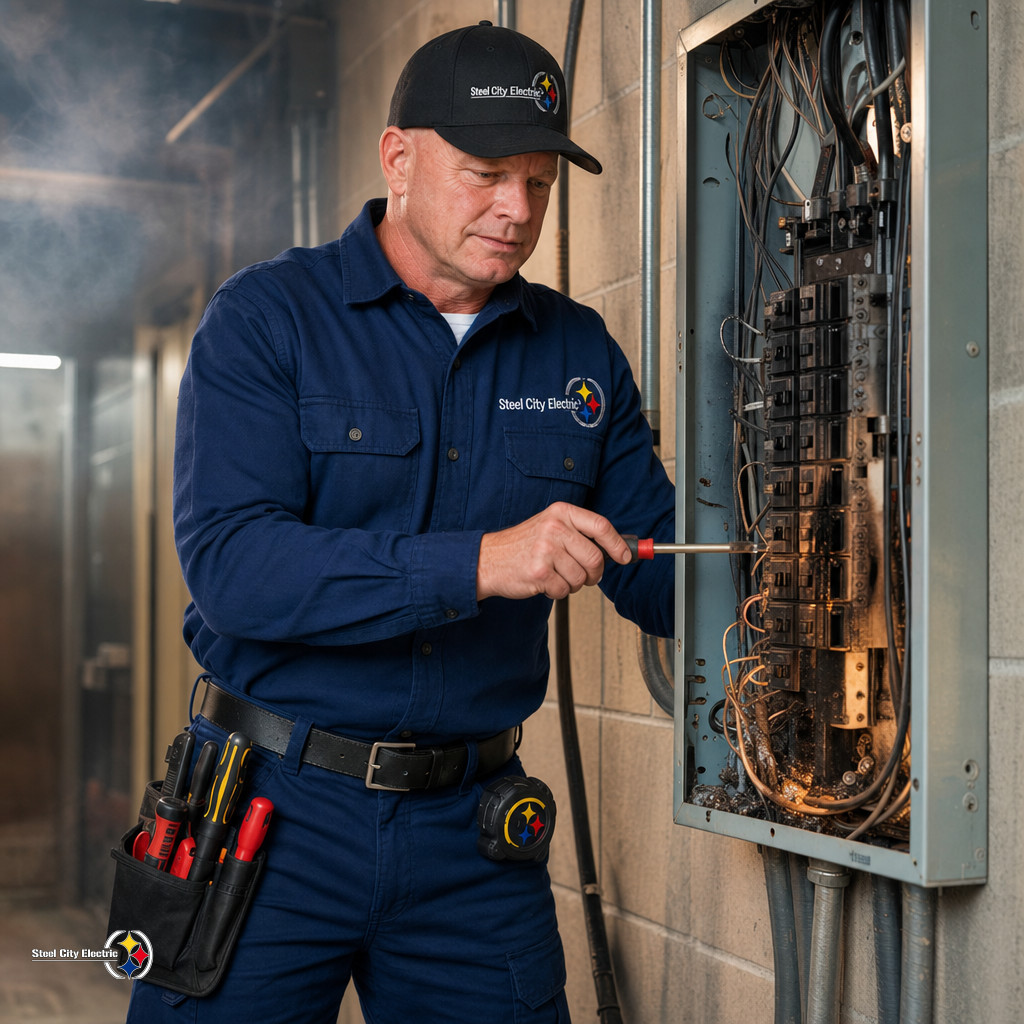
Steel City Electric has handled tight commercial electrical work before, including Foot Locker Sarasota, where the wiring had to fit the tenant buildout and keep the job moving. Retail schedules do not leave much room for guessing, and underground work is even less forgiving once it is covered.
A restaurant, medical office, retail shell, or small warehouse in Parrish all need the same basic thing: a service route built for the way the building will actually be used. Not just a neat line on a drawing. Utility handoffs need to be clear. Bends need to be pullable. Equipment needs access. Future load should be talked about before the ditch is closed. If cost control and uptime matter, the underground electrical plan belongs near the front of the job meeting.
Steel City Electric handles commercial underground electrical utility installation for new sites, expansions, and reworked commercial properties that need dependable power brought in without creating problems later. Get the layout checked before trucks, curbs, paving, and other trades turn a simple fix into a fight.