
EV charger jobs usually do not begin at the pedestal. They start in the electrical room, or behind a locked panel door, looking at what the building is already using when nobody is thinking about it. Lights stay on. HVAC cycles. Coolers, signs, office loads, security, kitchen gear, whatever the property has running. Then someone wants several vehicles charging for hours at a steady pull. Around Cape Coral, Florida, that gets real quick, especially on older services with long pipe runs, packed panels, tight parking lots, and tenants who cannot afford a messy shutdown.
A recent industry update from ocean-energyresources.com titled Nadara appoints Aker Solutions for Bellrock electrical studies is talking about offshore wind, not car chargers in a retail lot. Still, the point carries over. Large electrical loads do not just show up neatly on paper. They stack up over time until someone has to prove the gear feeding them can actually handle it. Same thing happens with commercial EV charging. The charger is the part everybody sees. The service size, switchgear age, grounding, breaker space, conduit path, trenching, voltage drop, and utility side of the work are usually what make or break the schedule.
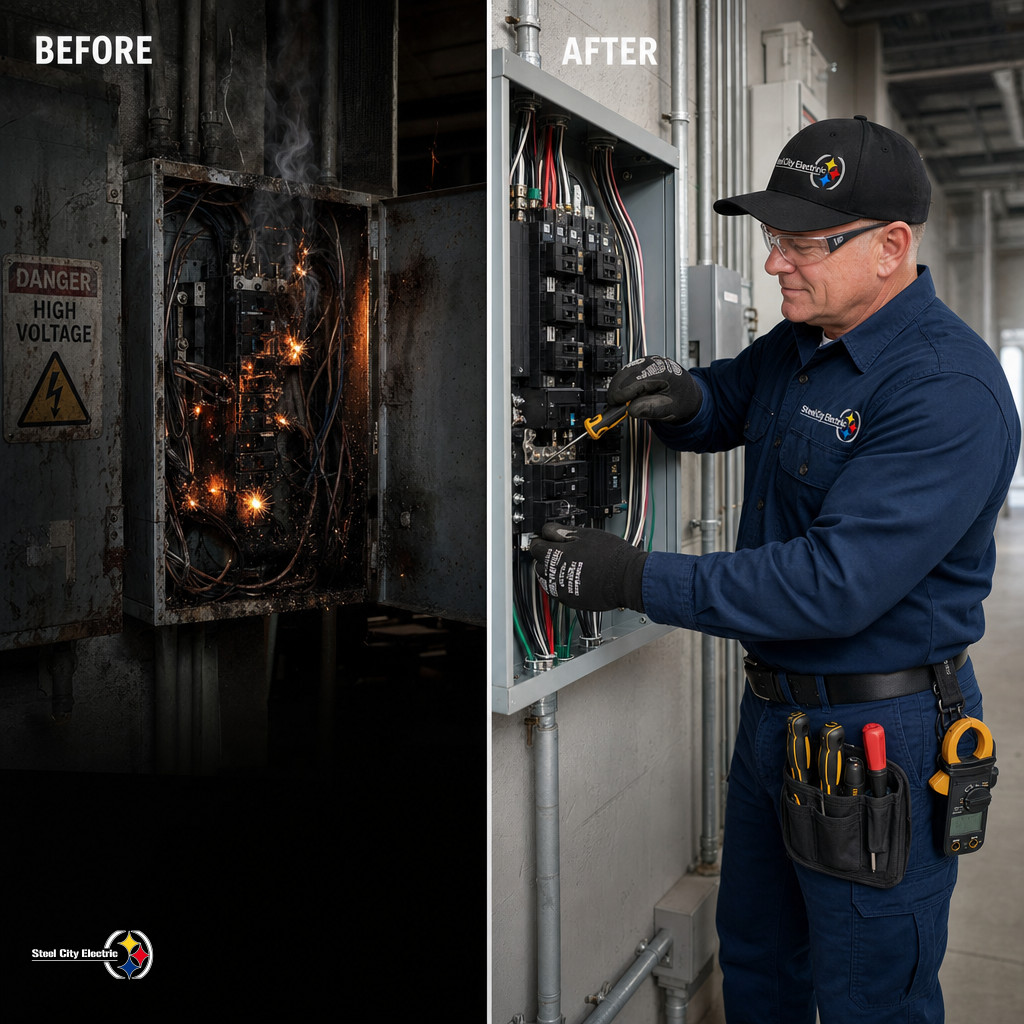
That is why Commercial EV Charger Installation needs to be handled like site infrastructure, not a bolt-on fixture. A retail plaza may look simple until the trench crosses traffic flow. An office building may have room outside but no clean path inside. A fleet yard might need charging now, then twice as much capacity next year. Load calculations have to happen before equipment gets ordered. Sometimes the answer is easy. Sometimes it means feeder changes, panel work, new disconnects, utility coordination, or cleaning up a crowded electrical room before the charger ever gets set.
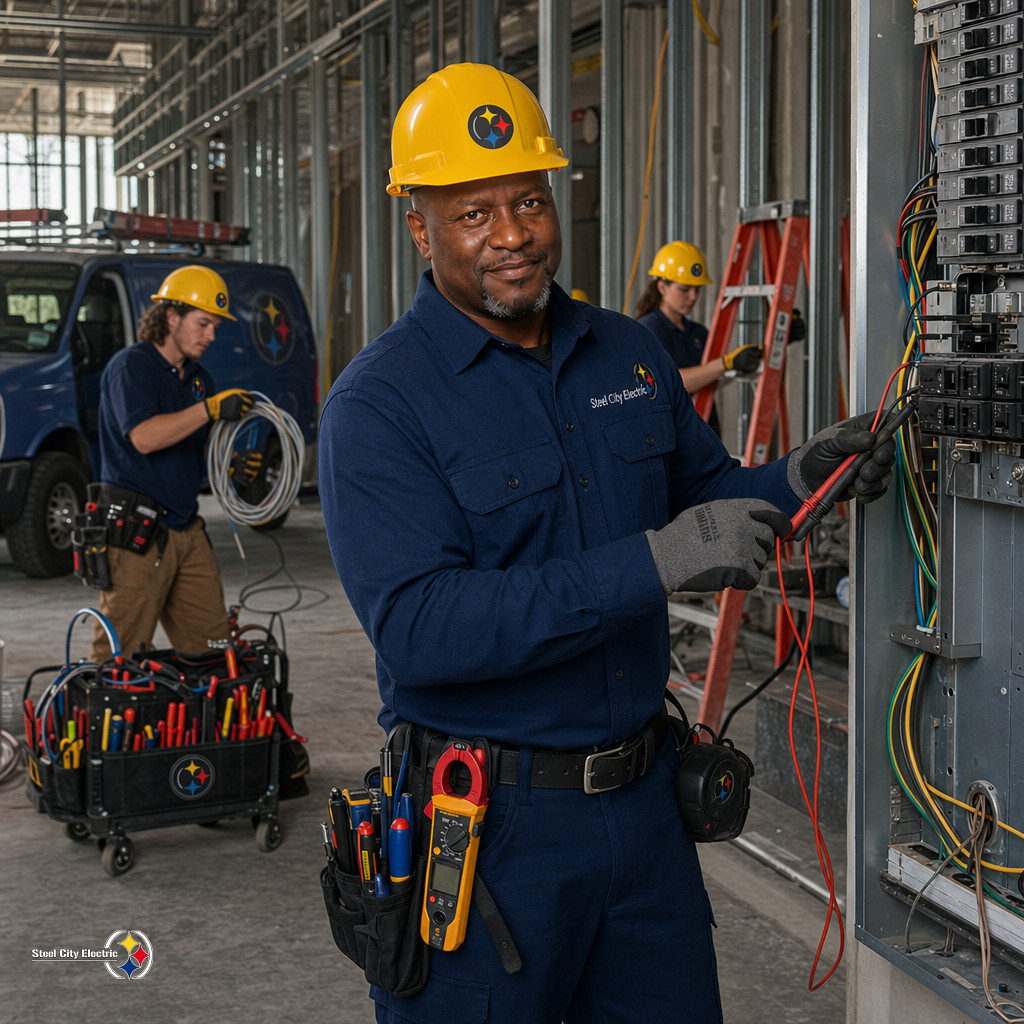
Steel City Electric has dealt with those kinds of field conditions before on Foot Locker Sarasota, where the wiring had to fit the actual tenant buildout, not some perfect drawing that ignores walls, ceilings, crews, and opening dates.
For a commercial property in Cape Coral, the headache is not only a charger that will not energize. It can be blocked parking, saw-cut pavement sitting open, a utility delay, an inspector calling out missing details, or a shutdown landing right in business hours. The better move is to look at the electrical side early and plan the route, load, access, and phasing before the site is torn up. If your property is adding EV charging, Steel City Electric can check the existing system, point out the weak spots, and build the installation around how the building really operates.