BERC’s renewable tariff shift puts Bihar biomass and waste to energy plants on the clock for Commercial Industrial Electrical Installation planning
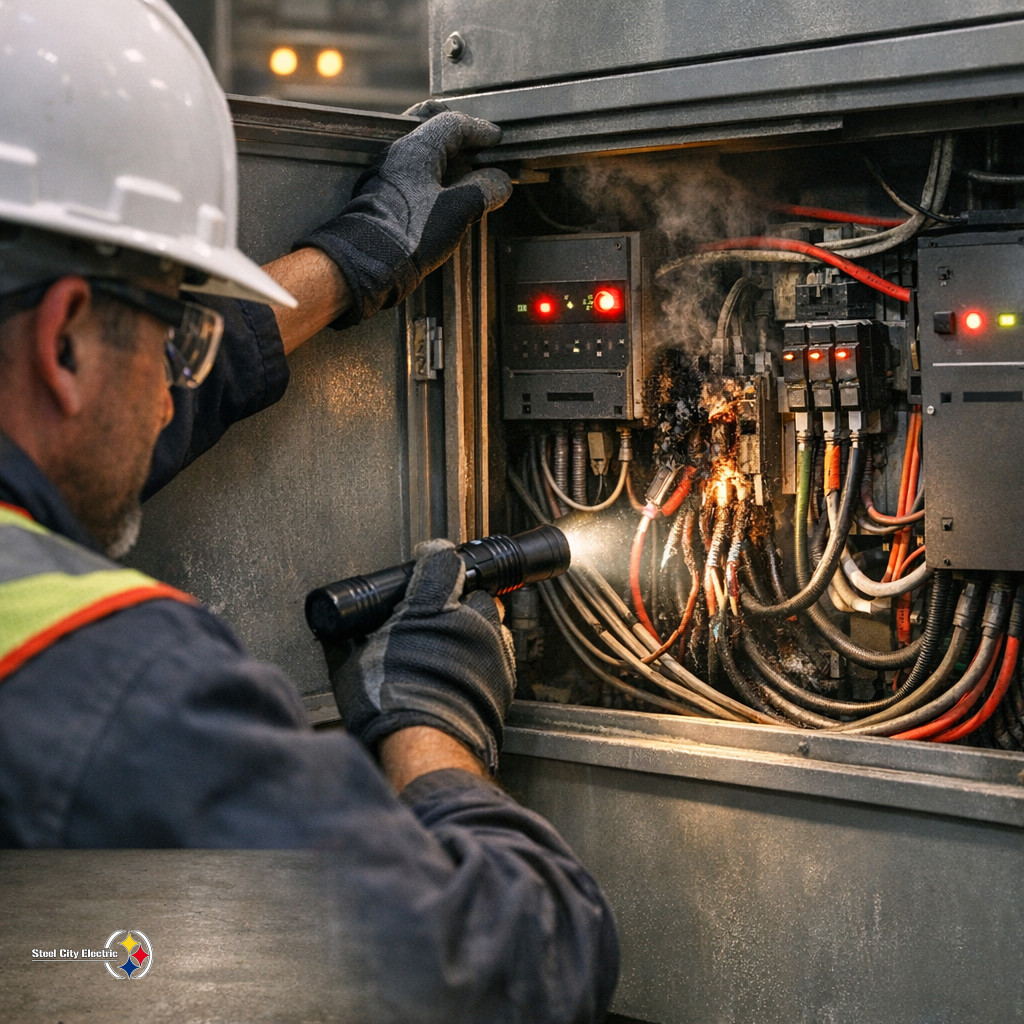
Electrical gear does not wait for management to finish talking. Add a generator package, waste handling equipment, conveyors, controls, bigger motors, or a backup power change and the weak parts of a building show themselves quick. A breaker starts heating up. A panel that was already full gets one more thing forced into it. Feeders that looked acceptable on a drawing start tripping when the line is running. Around Cape Coral, Florida, that is why Commercial Industrial Electrical Installation needs to be planned before the equipment is sitting there with no clean way to power it.
A report from solarquarter.com, titled BERC Announces Renewable Energy Tariffs For FY 2026–27 Across Biomass And Waste-To-Energy Projects In Bihar, points to the same problem from another angle. Biomass, cogeneration, MSW, RDF, and waste-to-energy work can move fast when tariff windows change. Owners stop treating the job like a future idea and start asking when it can be energized. That is usually when bad field decisions get made.
These are not simple tenant spaces with a few added circuits. Plants like this need service capacity checked, switchgear sorted out, conduit paths figured before walls and racks are in the way, motor control wiring, grounding, emergency disconnects, and room for whatever comes next. Miss one piece and a commissioning date can get ugly. Steel City Electric has worked under that kind of schedule pressure on commercial projects such as Foot Locker Sarasota, where the electrical work had to fit the buildout instead of slowing it down.
On renewable fuel sites, recycling facilities, manufacturing buildings, cold storage, and heavier commercial properties, power is not just another trade item. It decides when equipment can be tested. It affects inspections. It can hold up the part of the building that actually makes money. Loads need to be checked early. Existing gear needs a real look, not a quick guess from the doorway. A contractor handling commercial industrial electrical installation has to be able to work through those details in the field.
Owners in Cape Coral and Lee County planning expansions, new equipment, or industrial power changes should not wait until the schedule is already squeezed. Steel City Electric can walk the site, find the capacity problems, and lay out the installation work before downtime, rework, and last-minute electrical fixes start running the job.