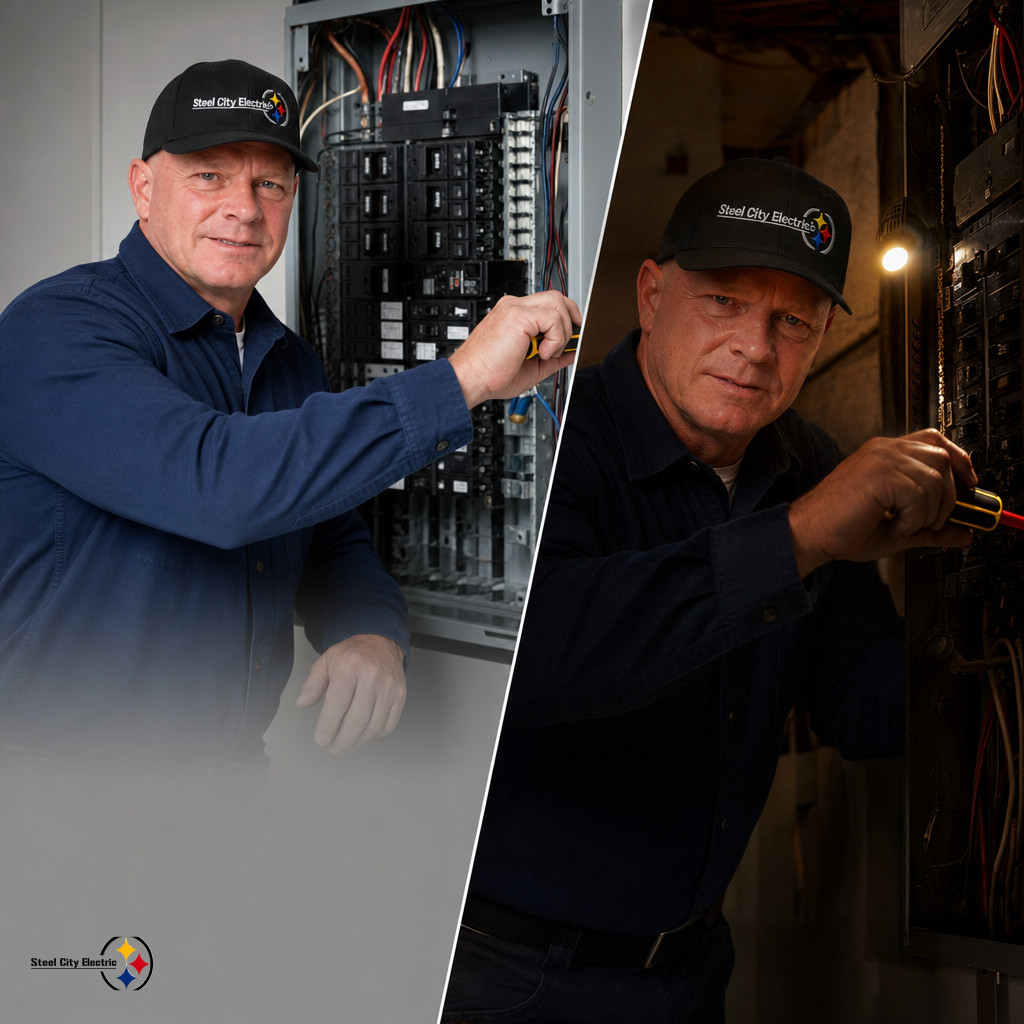
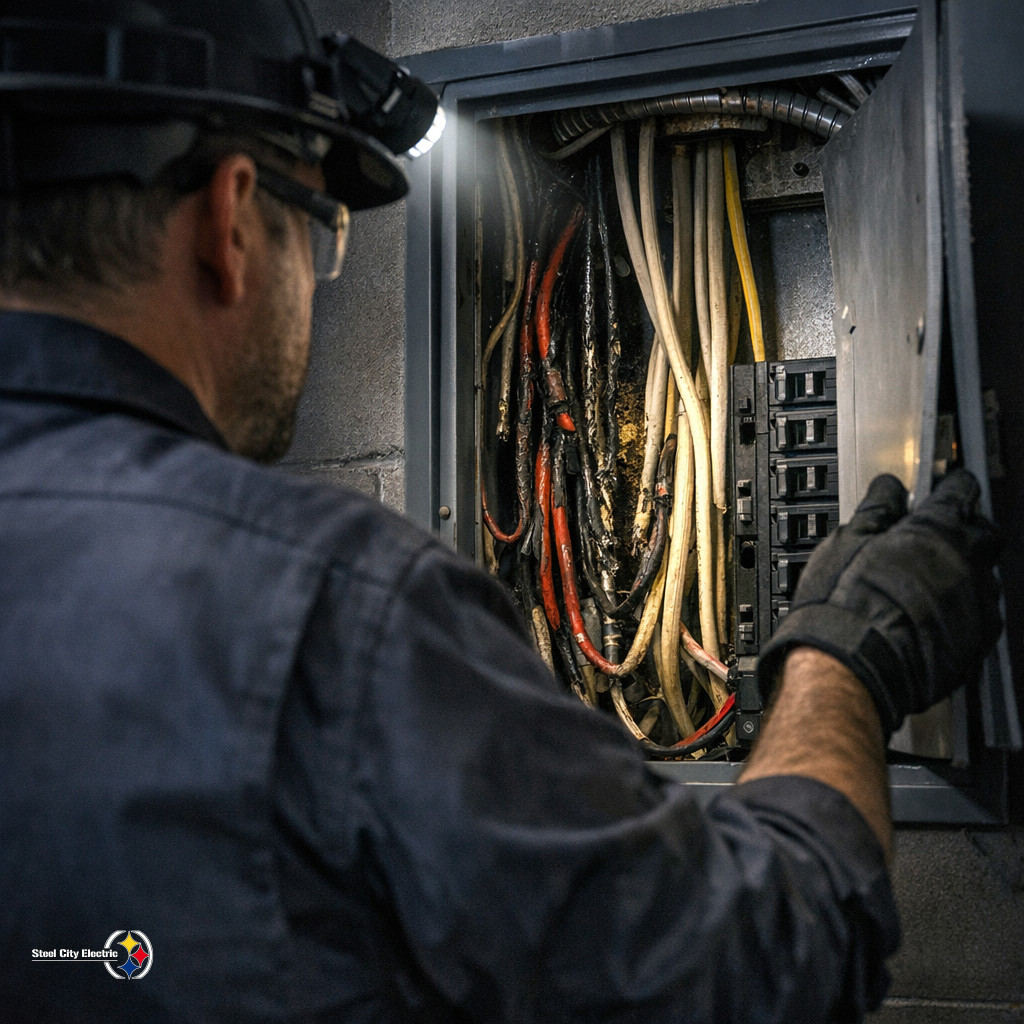
Generator jobs do not usually fail on the pretty parts. The pad can be poured, the fuel plan can look fine, and the transfer switch location can pass the first walk. On a commercial property in Tampa, Florida, the real mess often shows up later. Open the gear. Pull covers. Check the old feeders. Look at the grounding. Then the notes start changing. Heat marks. Tight gutters. Conductors that do not match the story. Panels with no room left, even though somebody said there was plenty.
That is where the conductor sizing talk matters for a crew doing commercial generator installation. A dwelling rule is not running a restaurant, clinic, retail bay, or warehouse. Still, bad habits travel. Someone sees a percentage, forgets the insulation rating, skips the cable assembly detail, and carries that shortcut into bigger equipment. Transfer gear is not forgiving when that happens. Neither is a loaded building during an outage test.
A recent report from dailyreporter.com titled NEC clarifies 83% rule for single-family dwelling conductors points to the 2026 NEC getting clearer on conductor temperature ratings and cable assemblies. On paper, that sounds like a small code note. In the field, it is the kind of detail that can slow down a shutdown window when a standby system is being tied into live commercial service.
Generator installs already have enough going on. The loads need to be real loads, not copied from a clean drawing that stopped being accurate three tenants ago. The transfer switch has to land with the existing service equipment. Emergency loads, optional standby loads, refrigeration, POS systems, lighting, pumps, and office equipment cannot all be treated the same. If the feeder assumptions are wrong, the problem may sit quiet through rough-in. It may show up during startup. Or it may wait for the first bad storm.
Steel City Electric has run into that kind of field condition before on retail food service work for Insomnia Cookies in Florida, where service upgrade details had to be handled around the actual building conditions. That is normal electrical work, not an exception.
For Tampa commercial properties, generator planning needs to start like a service investigation. Feeders, grounding, disconnects, panels, clearances, and load priority all need to be checked before transfer day. Steel City Electric handles commercial standby generator installation that way because when utility power drops, there is no room left for assumptions. The system carries the building, or it does not.