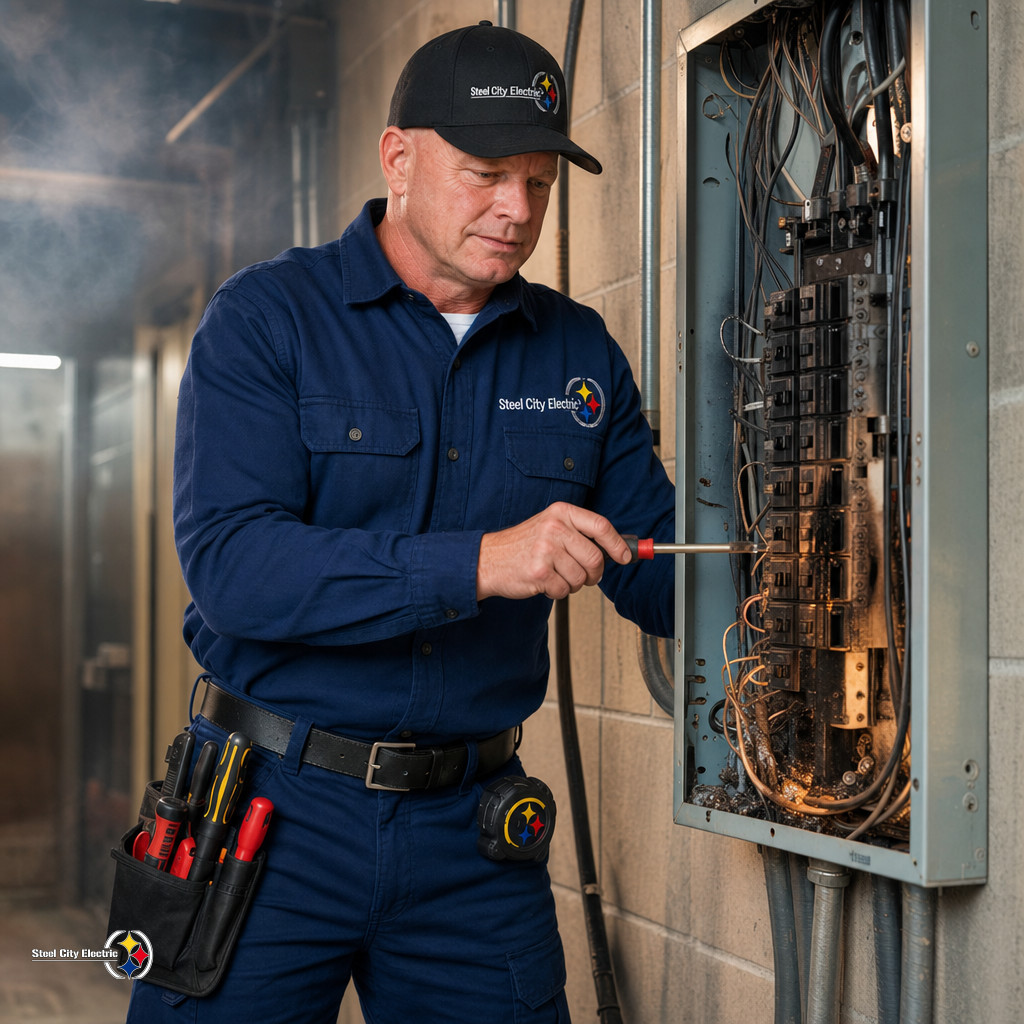
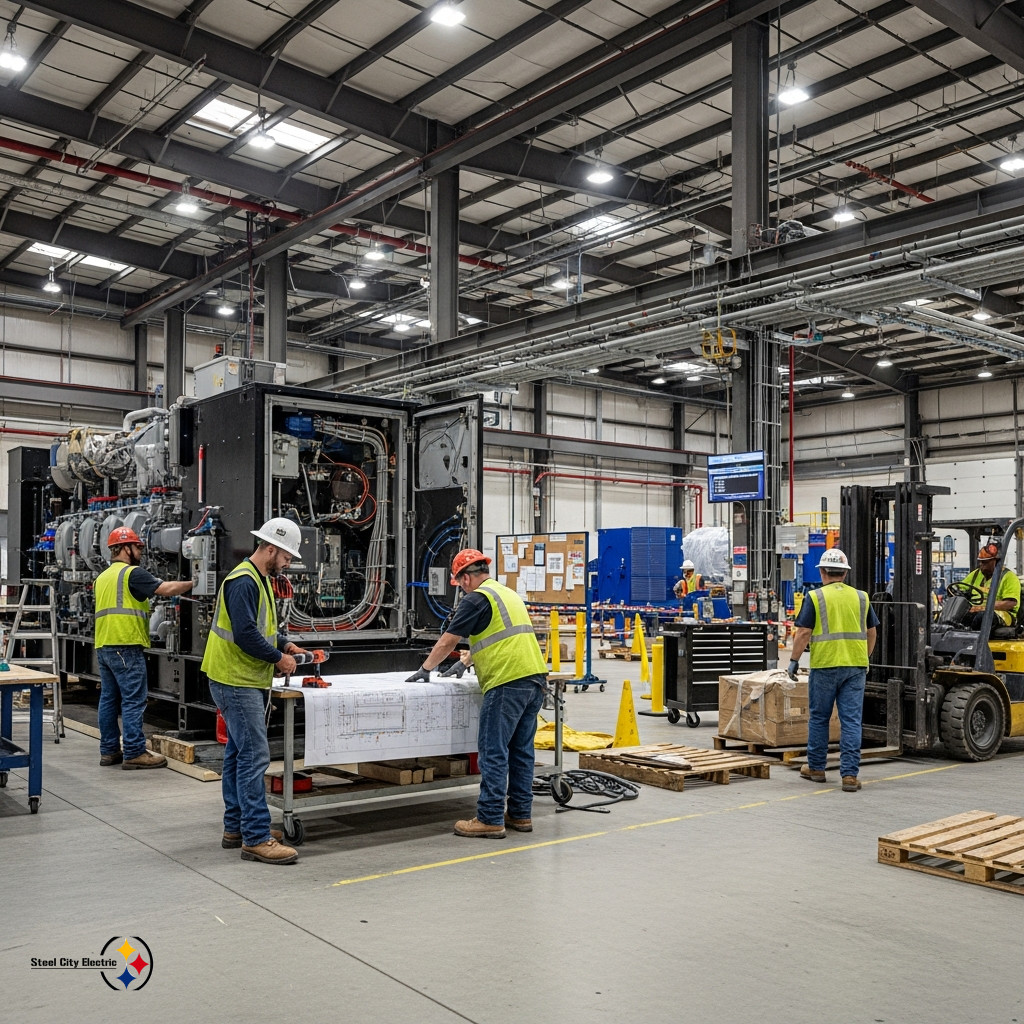
A commercial generator job can look simple from the parking lot. Set the unit, pull the feeders, land it, start it up. That is not usually how it goes once the doors to the electrical room open. Older switchgear, tight working space, missing panel schedules, abandoned conduits, bad labeling, and loads that were added years after the original drawings all show up. If the building is occupied, there is another layer. Elevators, coolers, fire alarm, access control, pumps, office circuits, tenant equipment. Somebody has to decide what really stays on. That is where commercial generator installation becomes field work, not just equipment ordering.
A recent report from www.ecmweb.com titled Global Code-Wide Changes and Overview points to a larger rework in how the 2026 NEC is organized and referenced. That matters on generator projects because these installs touch several sections at once. Emergency and standby systems. Service equipment. Disconnects. Grounding. Feeder sizing. Signage. Working clearances. Utility coordination. One wording change can turn into a different review comment, a label change, or a correction in the field after gear is already set. Nobody wants to find that out with a crane scheduled or a shutdown already noticed to tenants.
Good outage planning starts before the generator shows up. The load list needs to be real, not copied from an old spreadsheet. The transfer switch has to land where it can actually be installed and serviced. Feeders need a route that does not fight every other system in the building. Sometimes the generator is sized fine, but the site still has a problem because the existing gear is crowded, corroded, mislabeled, or not built for the way the owner now uses the property. Steel City Electric has dealt with that kind of pressure on occupied sites, including Stoneybrooke Clubside Condominiums in Sarasota, where the plan had to work around real building conditions, not a clean drawing.
For commercial properties in Saint Petersburg, Florida and across Pinellas County, standby power should be looked at before a storm or utility outage forces the issue. Walk the rooms. Check the panels. Verify the loads. Look at clearances, access, fuel location, exhaust, noise, pad space, and inspection requirements. Steel City Electric helps owners and facility managers handle commercial generator installation with that kind of jobsite thinking, so the system has a better chance of working when the building actually needs it.