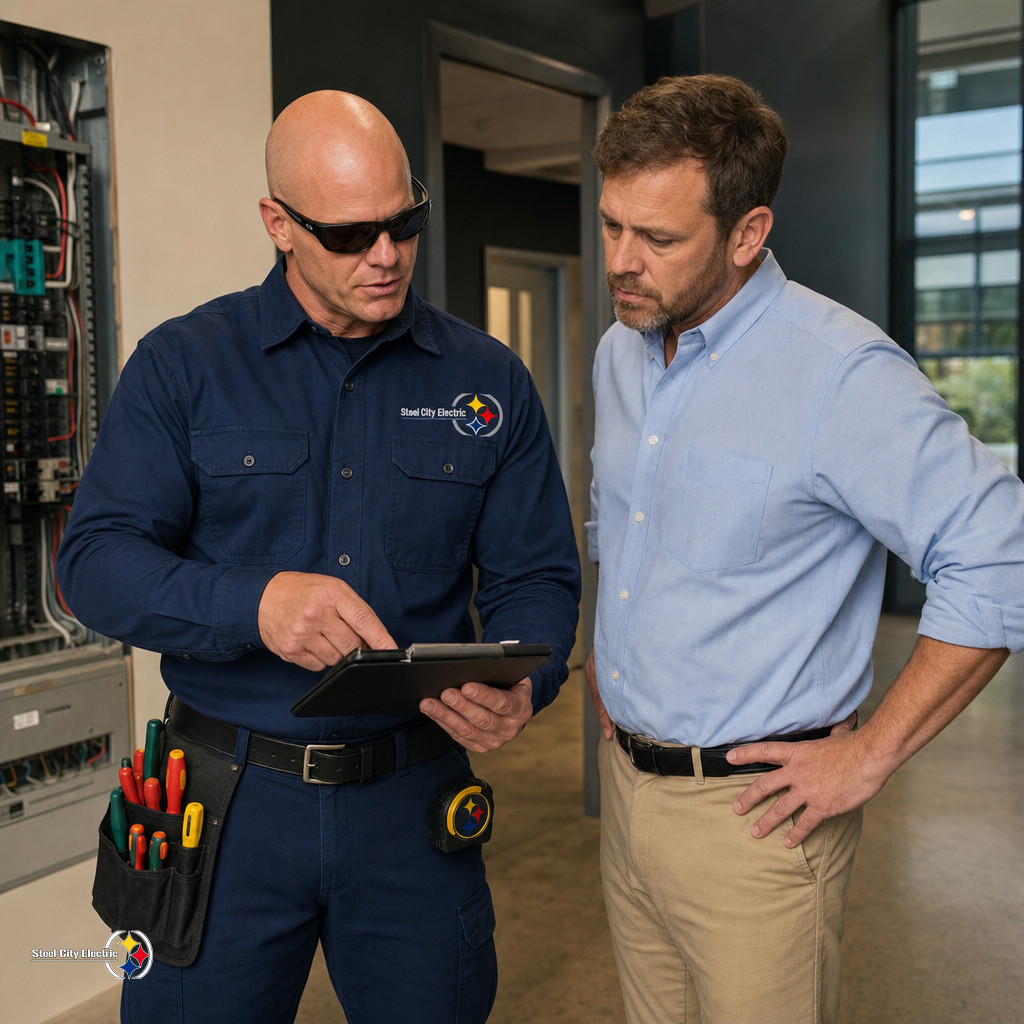

On a commercial site, EV chargers quit being a nice extra the first week people start counting on them. In Fort Myers, Florida, that could be a hotel guest trying to leave in the morning, an office tenant parked all day, a retail customer, a fleet driver, or a manager getting the complaint at the desk. If the pedestal is faulted, the breaker is warm and tripping, or the charger keeps losing its network connection, nobody is talking about the paint finish. They want it working. That is where commercial EV charger installation has to be treated like real electrical infrastructure, not just something drawn into open parking spaces.
A recent report from facilityexecutive.com titled Data Center Reliability Starts With Operational Consistency talked about data center operators tightening maintenance and operations because AI loads are pushing facilities harder. Different world, but the lesson carries over. When electrical gear is not planned, labeled, tested under load, and serviceable, problems show up fast. With EV charging, that can mean nuisance trips, feeders that were never sized for the real demand, bad load-sharing setup, disconnects in awkward spots, or equipment placed where a tech has to fight landscaping, curbs, traffic, and parked cars just to open a cover.
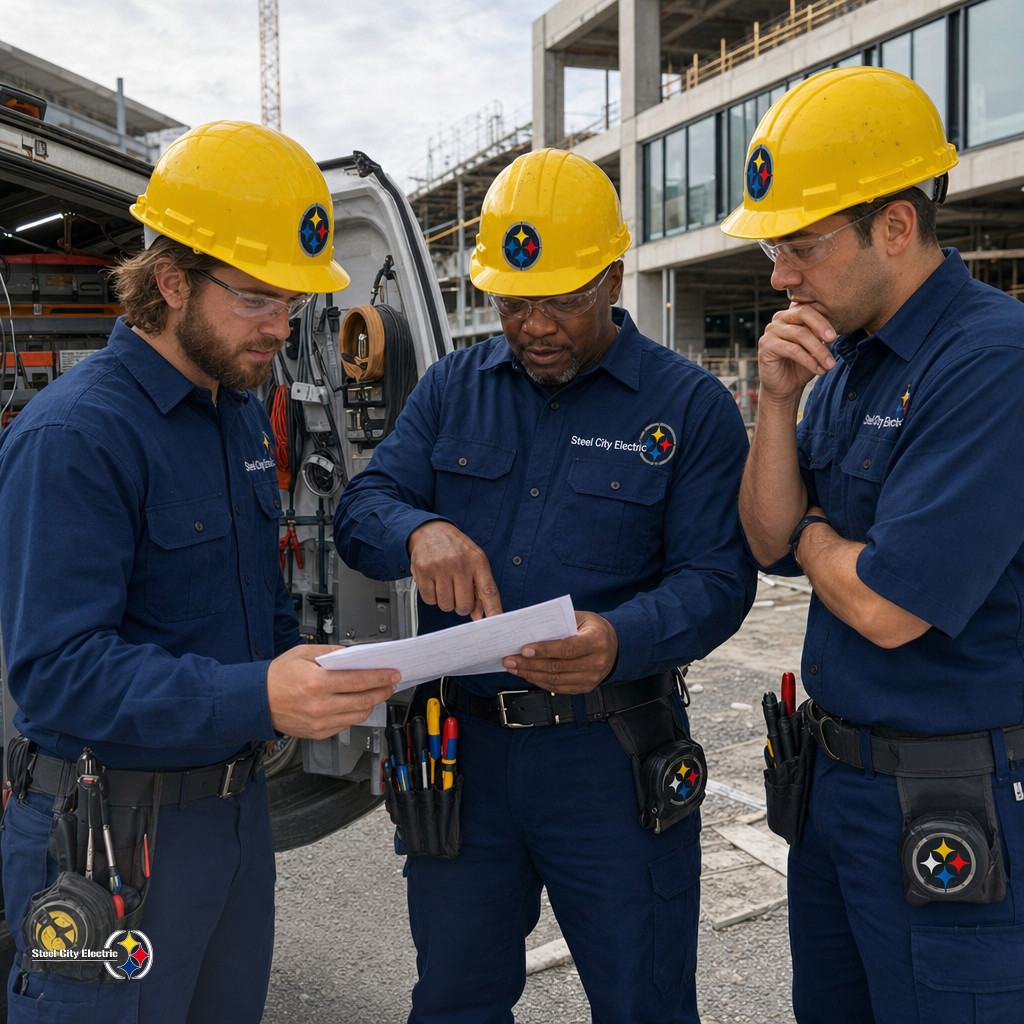
Most bad installs begin early. Charger locations get picked before anyone has really checked panel capacity, voltage drop, conduit runs, trenching, ADA clearances, utility requirements, or future expansion. Then the electrical crew is asked to make it work after the layout is already sold. That gets expensive. Steel City Electric has handled that kind of coordination before on Foot Locker Sarasota, where wiring had to be planned around an active commercial buildout. Same jobsite mindset applies here. Walk the path. Open the gear. Verify the route before concrete, asphalt, or landscaping becomes the obstacle.
For a Fort Myers property, the goal is not just installing chargers. The goal is keeping them online when the lot is packed, the rain is coming sideways, and the building is already pulling normal business load. A solid EV charger installation plan needs to look at service capacity, dedicated circuits, breaker coordination, surge protection, labeling, commissioning, network requirements, bollards, disconnect access, and room for another phase later. The little misses become callbacks. The bigger ones become upset tenants and equipment nobody trusts.
If your property is adding stations or trying to fix chargers that keep acting up, Steel City Electric can look at the existing electrical setup before the work turns into a parking lot mess. Start with the panels, the load, the routing, and how the chargers will actually be used day to day. Build the commercial charging installation from that, not from a guess on a site plan.