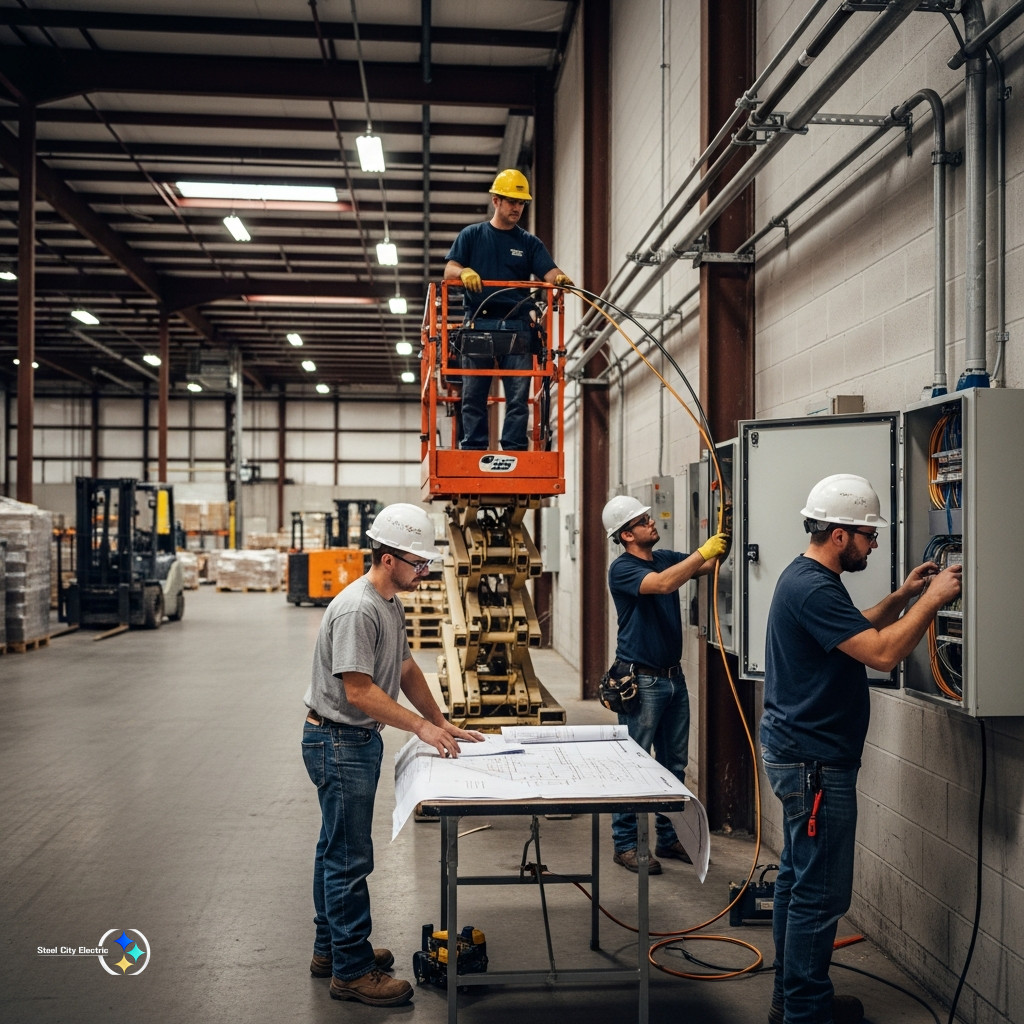
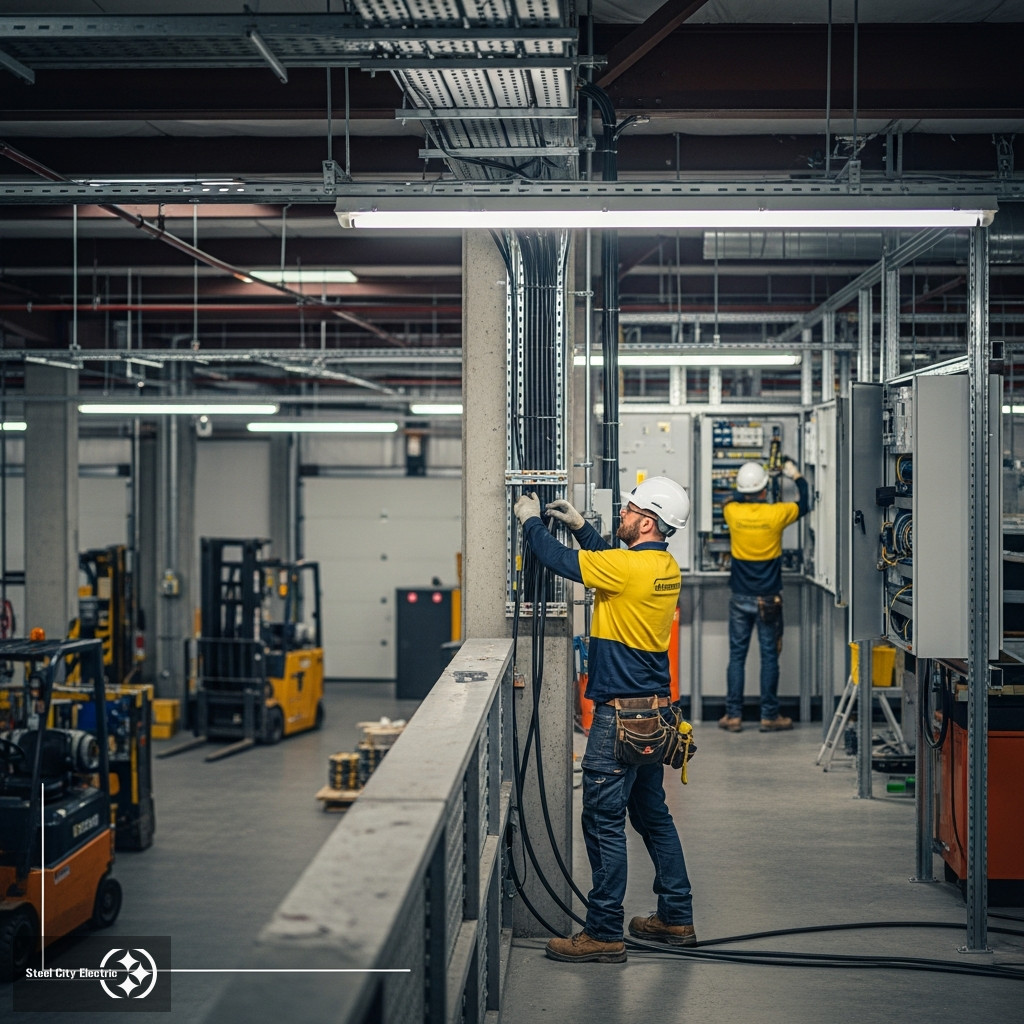
On a working commercial property, the electrical room will usually tell you what is going on before the meeting does. Warm panels. Old feeders carrying loads they were never meant to carry. Labels that don’t match anymore. A disconnect added five years ago, then another one after that, then somebody’s temporary fix that became permanent. You see it a lot when a building has been pushed hard for years.
Kalkine recently pointed to Southern Cross Electrical Engineering getting more attention in the market, with the source here: https://kalkine.com.au/news/industrials/southern-cross-electrical-engineering-asxsxe-the-contractor-stock-surging-into-focus. When contractor stocks start getting noticed, field people usually look past the stock price and think about the work behind it. More plant upgrades. More service changes. More switchgear planning. More calls where the building cannot just shut down for two days because tenants, equipment, coolers, lighting, security, and production still need power. That is where Commercial Industrial Electrical Installation becomes less of a capital planning item and more of a real site problem.
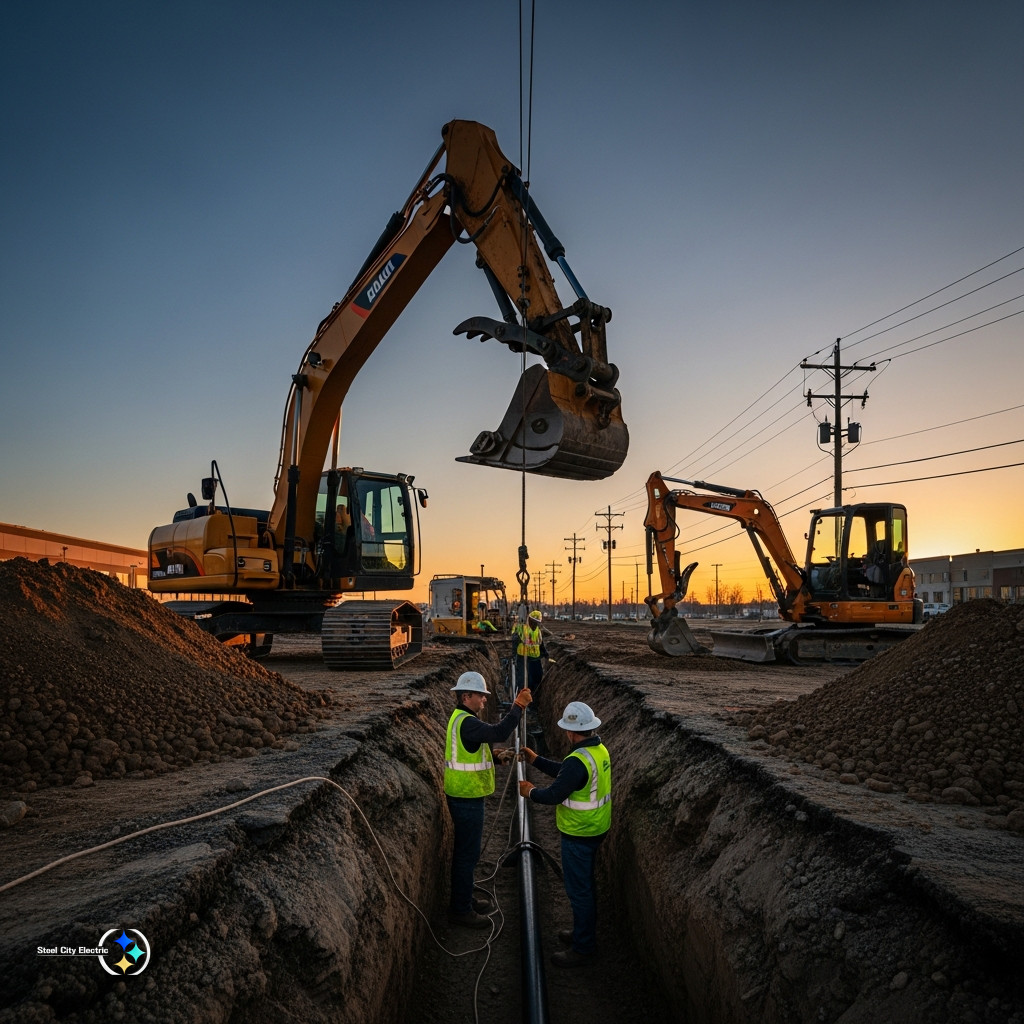
The clean drawing is never the whole job. The actual job is getting above a ceiling that has no room left, finding an underground run nobody documented, checking gear that is older than the maintenance log, and figuring out how to make the outage short enough that the property can live with it. Steel City Electric ran into that kind of pressure during underground restoration work at Stoneybrooke Clubside Condominiums in Sarasota, where underground feeder repair had to be handled with outage conditions already in play.
Commercial installation work goes sideways fast when downtime is treated like an afterthought. One missed shutdown window can throw off tenants and operations for the rest of the day. A late gear issue can become a weekend problem. An undersized feeder might not show itself until the load is back on and everybody is staring at the meter. Steel City Electric approaches commercial electrical service work from the field side first, because that is where the problems usually show up.
If the building is adding load, replacing damaged equipment, recovering from a feeder failure, or trying to get ahead of old commercial gear, walk it early. Open the rooms. Check access. Talk through the outage limits before the clock is running. Steel City Electric can review the system and plan the commercial industrial electrical work before it turns into a night call with limited choices.