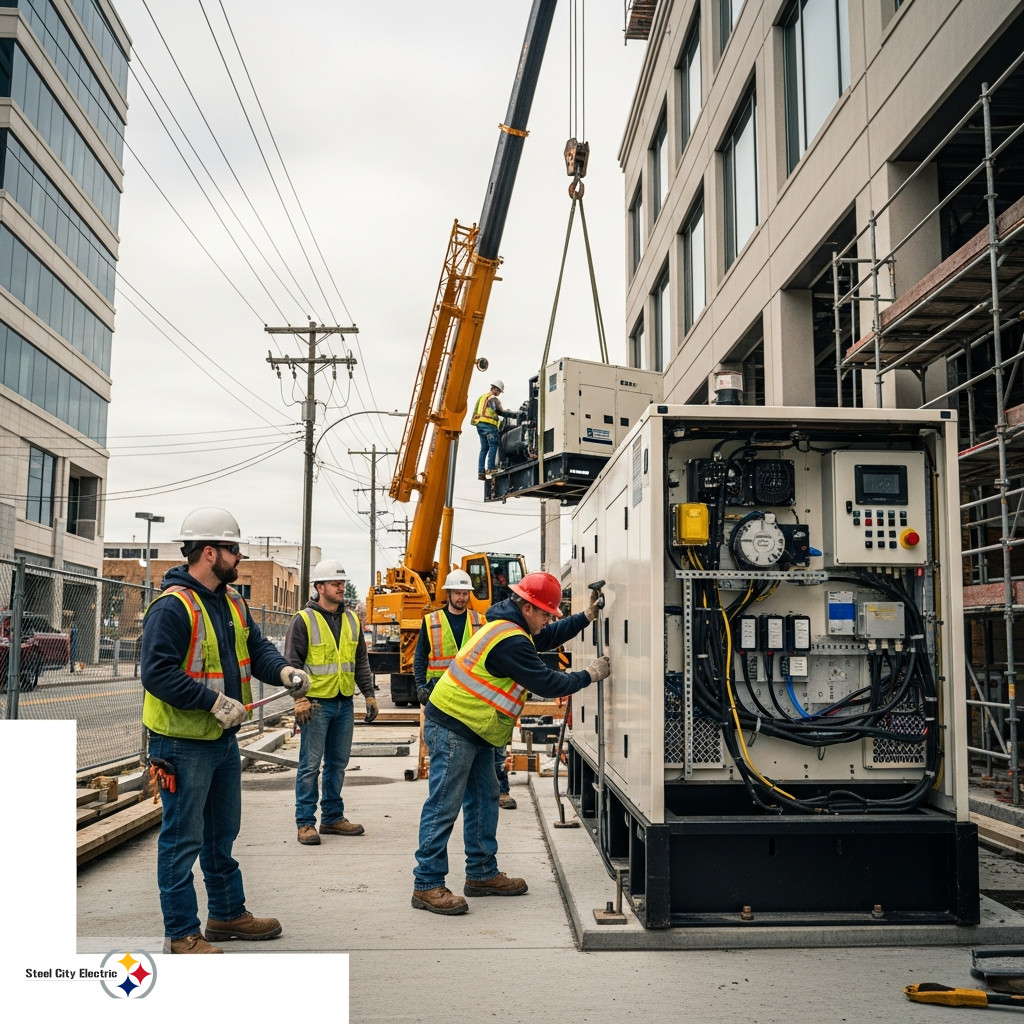
On a commercial generator job, the set itself is only one piece of it. We still have to look at the actual load, not the guess from five remodels ago. Fuel location matters. So does the transfer switch, feeder route, grounding, bollards, pad height, working space, and whether the building can even be shut down long enough to make the tie-in. If one of those items gets missed, the schedule usually pays for it. Sometimes the permit does too.
Farmington is looking at updated building and electrical codes, with the 2024 ICC codes and the 2023 NEC in the mix. AP News reported that the proposed package is still under public review before City Council takes action. That sounds like paperwork until you are the owner trying to get a generator priced, engineered, submitted, and installed before the review rules change. Then it becomes a real scheduling problem.
For buildings that cannot afford to go dark, commercial generator installation needs to start with the electrical room, not the equipment brochure. Newer code review can affect how the standby system is labeled, how emergency loads are separated from optional loads, what the load calculation has to show, and how much clearance the inspector expects around disconnects and gear. Refrigeration, elevators, pumps, access control, fire equipment, medical tenants, server rooms. Those loads do not wait around while drawings get corrected.
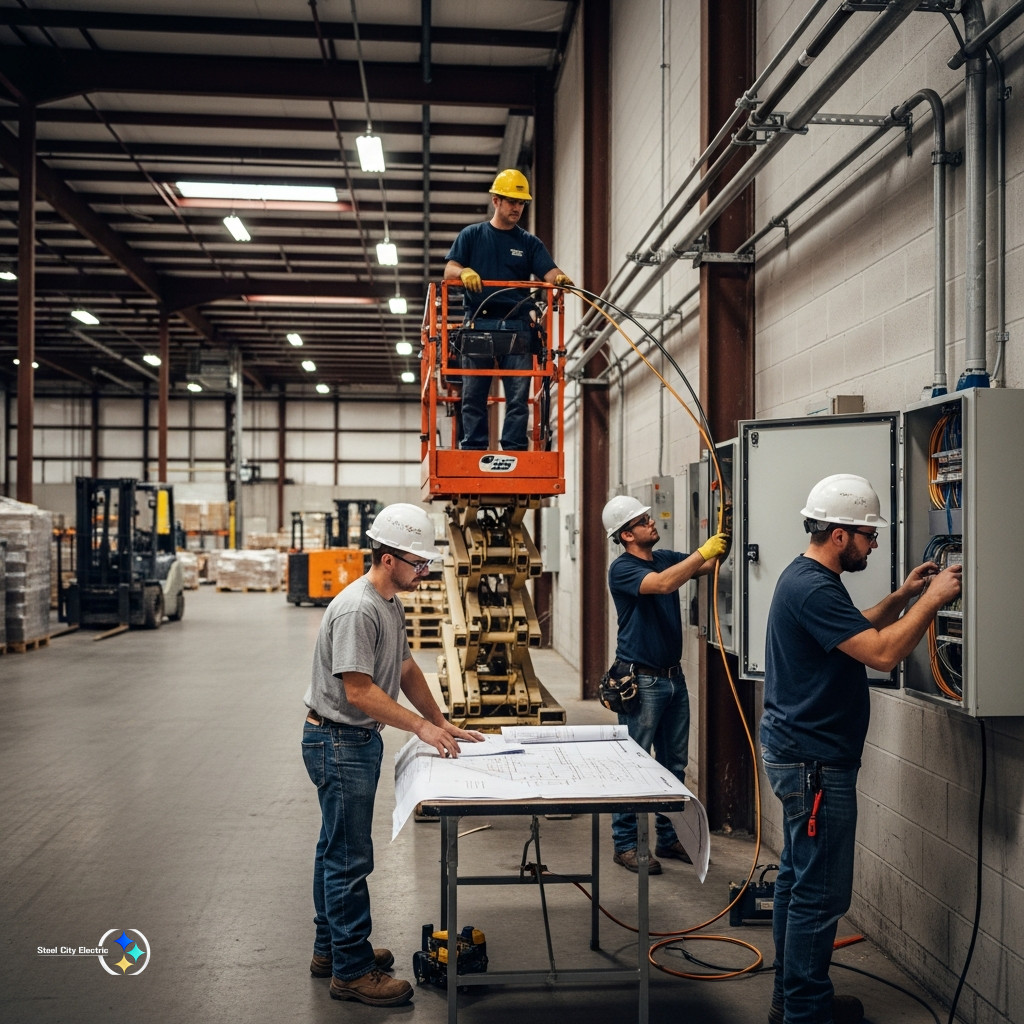
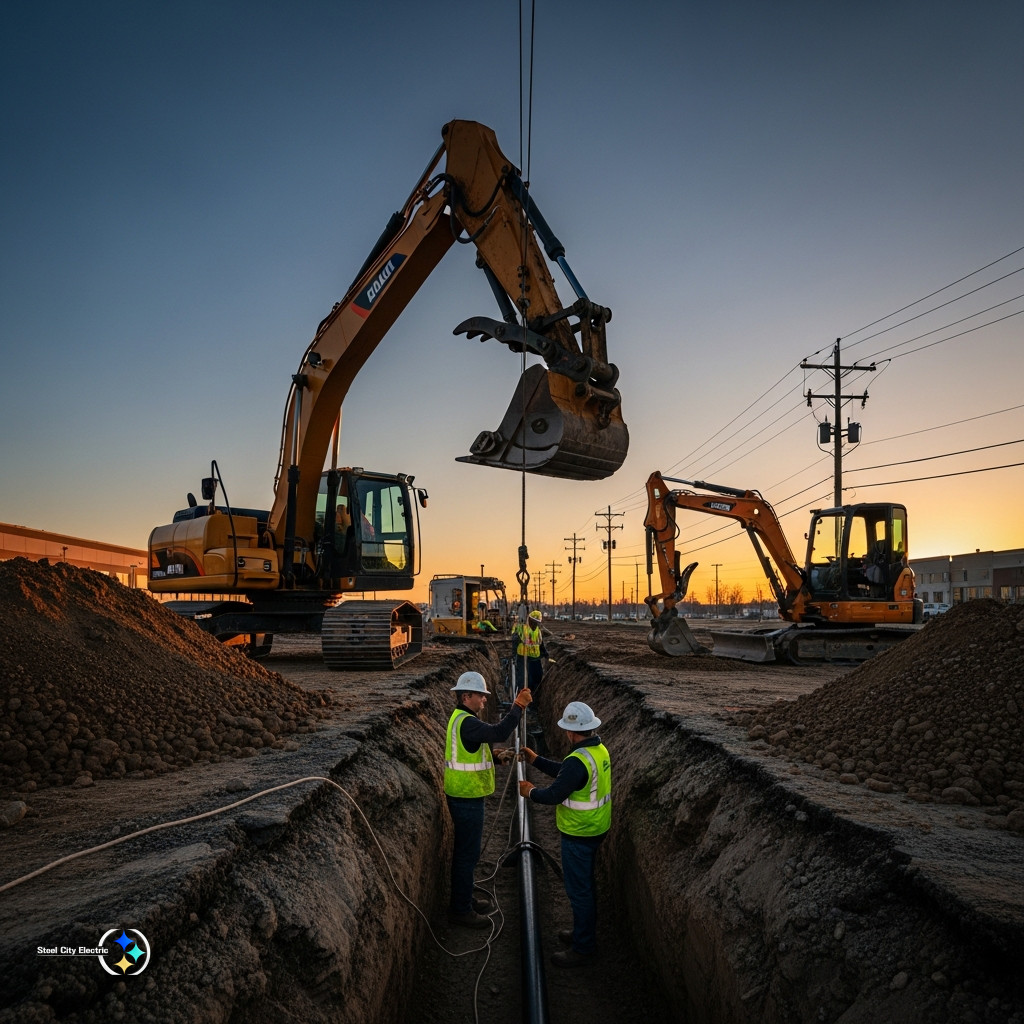
Steel City Electric has run into this kind of pressure in the field. At Stoneybrooke Clubside Condominiums in Sarasota, crews were dealing with generator deployment during outage restoration, and the site conditions did not line up clean and easy. That is normal. Old gear, tight rooms, missing labels, buried conduits that do not show where anyone thought they would. The drawing is a starting point, not the job.
A lot of commercial properties also have switchgear that has been maxed out for years. Standby power can expose that fast. Undersized feeders, crowded panels, poor grounding, no room for transfer equipment, or a pad location that creates service access problems. Getting generator sizing and installation requirements reviewed early keeps those issues from showing up as expensive surprises after permit comments come back.
Owners, property managers, and facility teams considering backup power should have the service checked before the code window tightens or the next outage makes the decision for them. Steel City Electric can walk the site, review the existing electrical setup, identify the loads that actually need backup, and plan a commercial standby generator installation that fits the building instead of fighting it later.