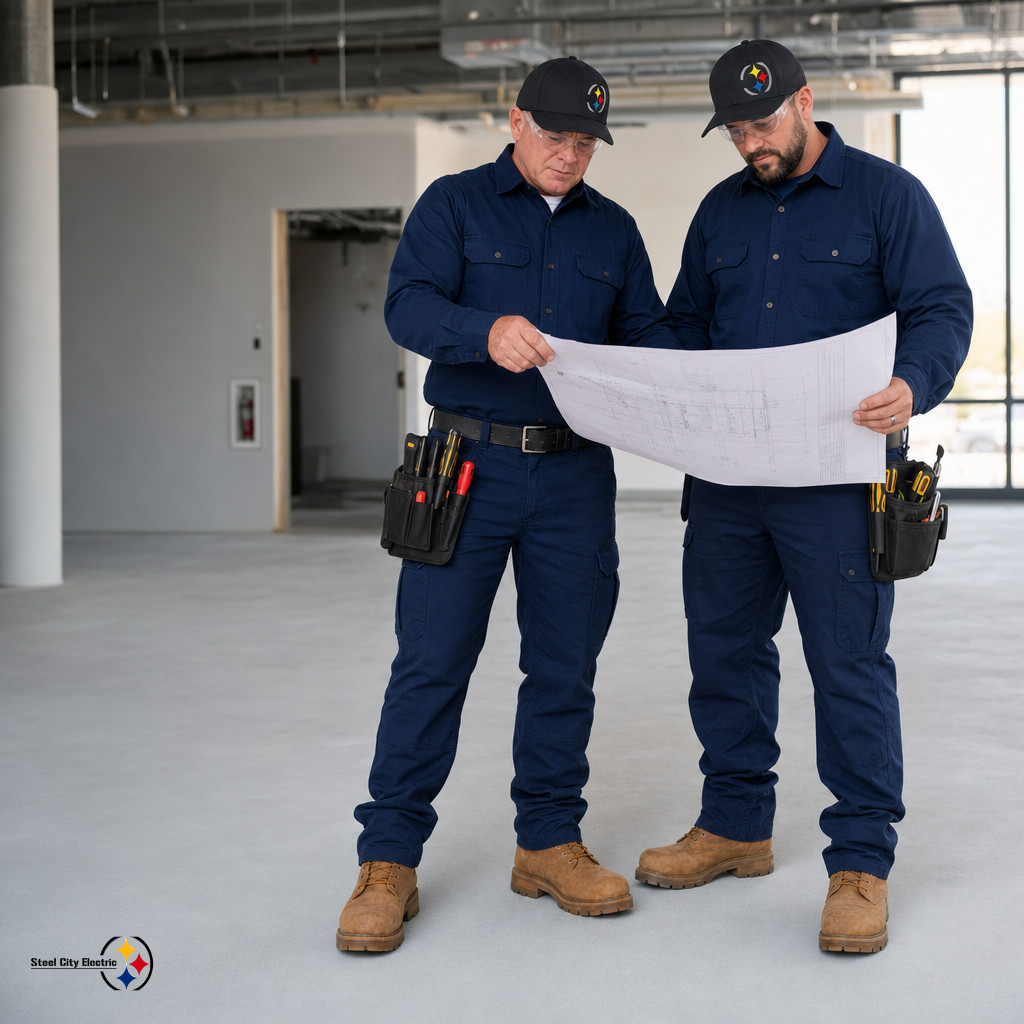
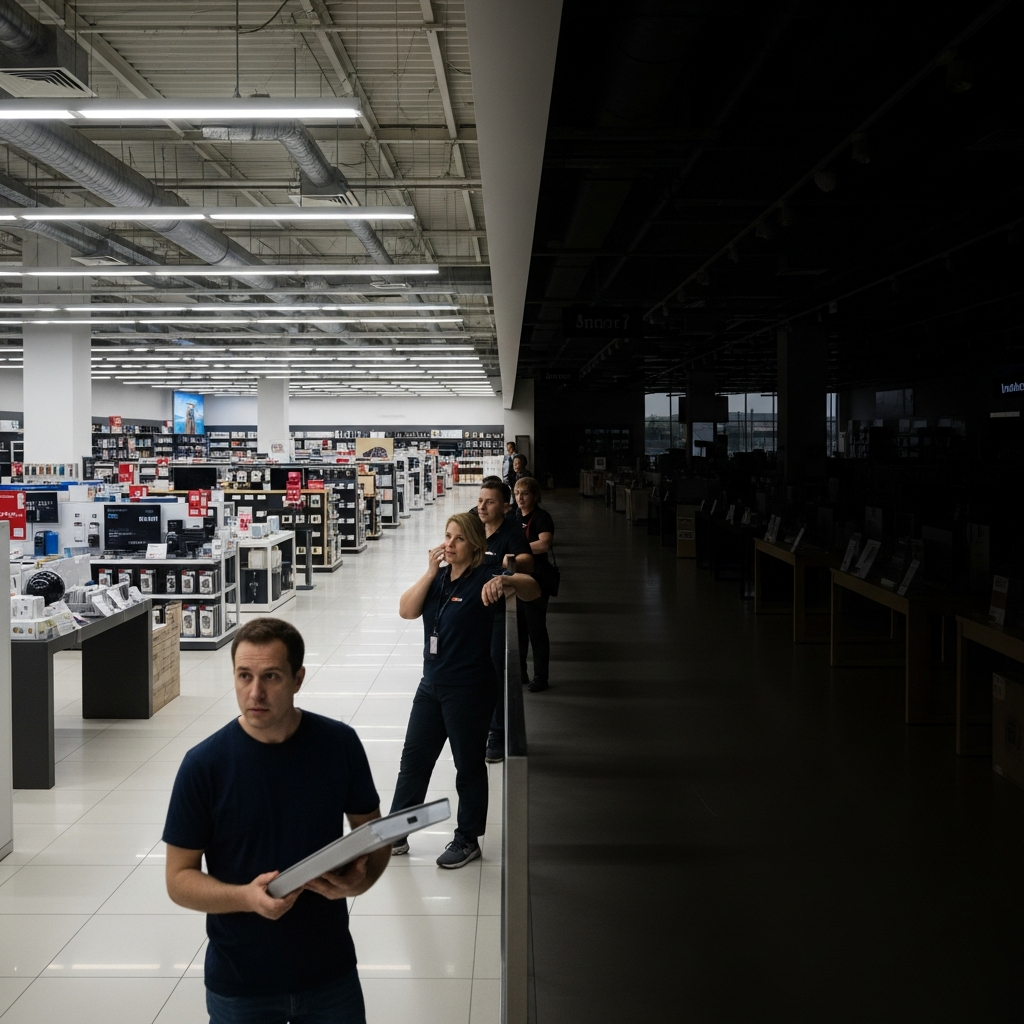
It was a Tuesday night on Main Street, lights still on inside, doors locked, the hum of a walk-in cooler doing its usual thing in the back. Then the lights blinked. Then they blinked again. Nobody thought much of it until the cooler started clicking funny.
The owner called us a little after closing, voice tight, asking if flickering lights could really fry a walk-in cooler, a POS system and half their kitchen line. Short answer that night: yes. By morning the bill landed somewhere around twelve grand between spoiled product, a damaged compressor and a control board that gave up around 2 a.m.
A recent seattlepi.com, “Passengers stranded in moving traffic after robotaxi outage in China’s Wuhan” lines up with what many business owners are starting to experience in their own buildings. When the system underneath everything starts to wobble, the stuff plugged into it pays the price.
Here’s the part nobody wants to hear. Flicker is rarely just a bulb. In a Sarasota commercial space it usually points to a loose neutral, an overloaded leg or a tired panel that’s been quietly cooking for years. We see it most in older strip-center buildouts where someone added a fryer, a second AC stage or a new freezer without ever touching the panel. The math stops working, and the lights tell on the building before anything else does.
Honestly, I’d rather get a flicker call at 4 p.m. than a melted-equipment call at midnight. If lights are dancing during peak hours, that’s the warning. Get an emergency repair tech out before the freezer does the talking. A quick load check and a tightened lug is cheaper than a new service after a fire call.
steelcityelectricfl.com/24-7-commercial-emergency-electrical-repair-blog