Underground electrical on a commercial job can look simple from the curb. A trench, some conduit, backfill, done. That is rarely how it goes. A feeder route gets pinched by plumbing. The utility markout does not match what is in the ground. After one Fruitville rain, the low spot in the trench tells the real story. Around Fruitville, Florida, a small miss under grade can hold up a retail opening, an office buildout, or a service change that was supposed to be finished days ago.
Loads are changing fast on commercial properties. Battery equipment, solar tie-ins, EV chargers, generator work, new panels, and bigger tenant demands are getting added to buildings that were not always planned for it. Existing underground paths may be tight already. That is when commercial underground electrical utility installation has to be looked at before the slab is cut or the asphalt goes back down.
According to a recent report from www.prnewswire.com titled Huawei Launches the latest Grid-Forming Strategy for Future Power Systems at The Smarter E 2026, the power industry is moving toward grid-forming systems built to help hold voltage and frequency as demand gets heavier and less predictable. That may sound like utility-scale talk, but the same pressure shows up on the site. It lands at the transformer, the switchgear, the service laterals, and the buried conduit feeding the building.
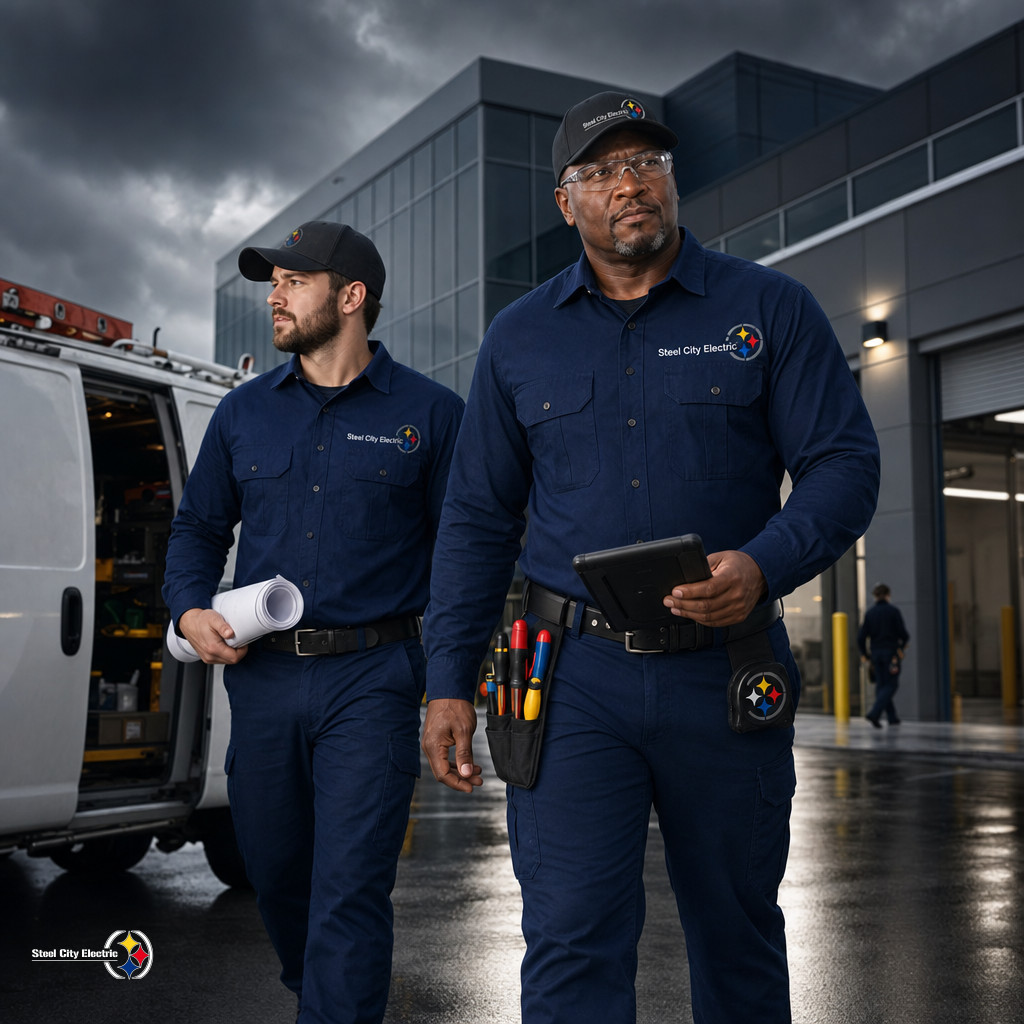
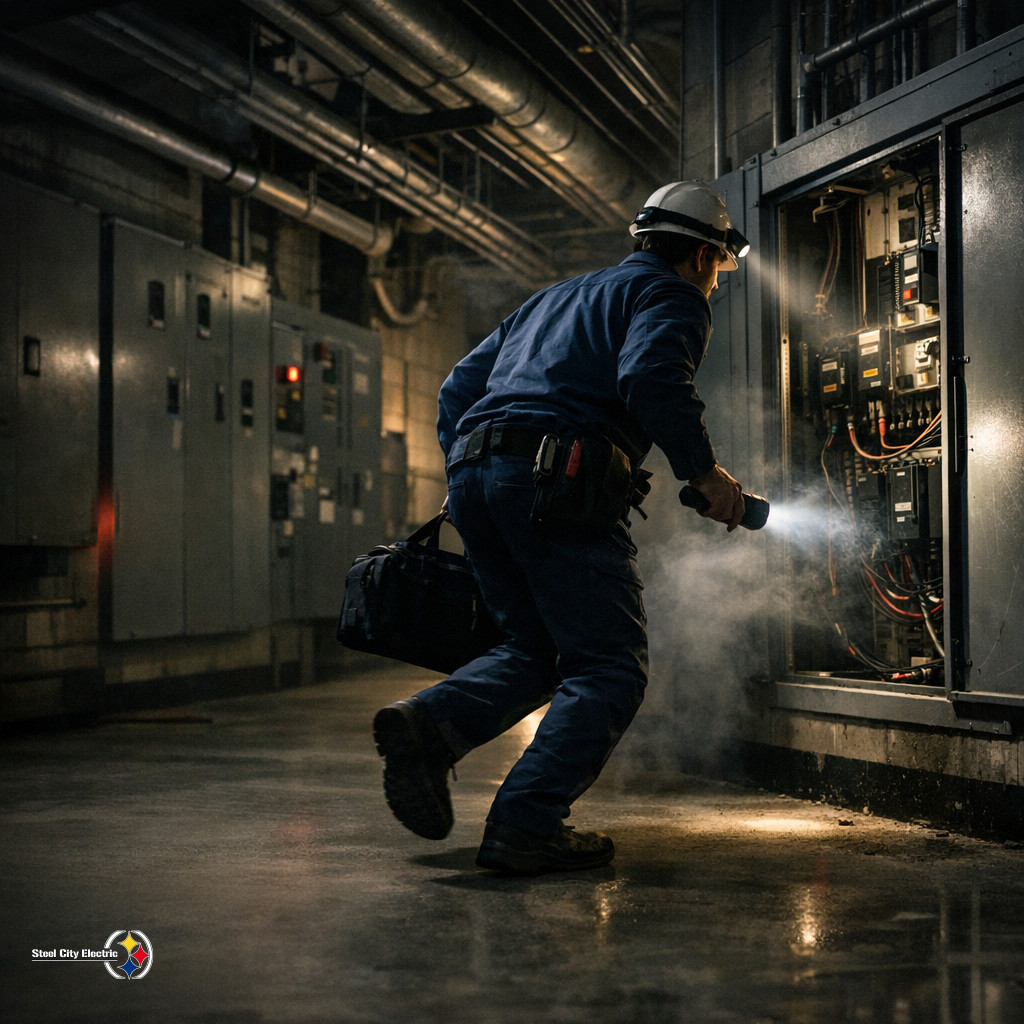
Crews usually find the problem before anybody in the office sees it. Steel City Electric has dealt with that kind of commercial coordination on Foot Locker Sarasota, where storefront electrical work had to stay lined up with tenant improvement plans. Once walls, ceilings, and finishes start closing in, messy infrastructure gets harder to fix.
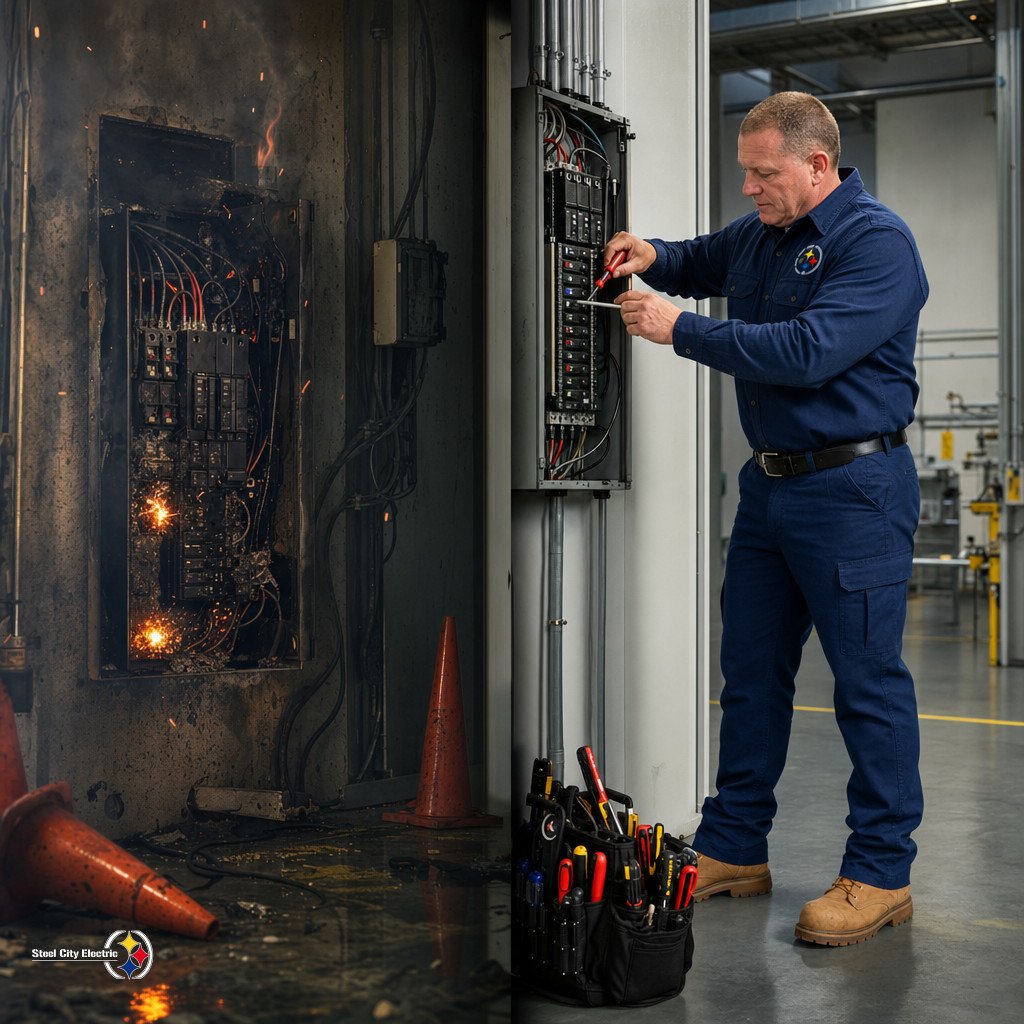
For a Fruitville commercial site, the risk is the sequence. Utility coordination, trench depth, sweeps, warning tape, conduit spacing, grounding, inspections, and service gear location all stack on each other. One bad call can mean pulling up fresh pavement or scheduling a shutdown nobody wanted. It is not dramatic. It is just expensive.
Steel City Electric treats commercial underground electrical utility installation as part of how the building will operate later, not just something to bury and forget. If the property is adding load, changing tenants, expanding service, or planning new equipment, the underground side needs a real field review before it disappears under concrete, asphalt, or landscaping.
For commercial properties dealing with this kind of issue, Steel City Electric can help evaluate the right service path for the building.