Commercial service gear is one of those items that can look simple on a print and still hold up half the job. Meter can. CT cabinet. Main disconnect. Grounding. Fault current. Panel locations. Utility notes buried on a separate sheet. Then somebody moves a wall or swaps equipment and the service layout is not so clean anymore. On tenant work and new commercial shells, that usually shows up late, right when the schedule has no slack left.
The July comment dates for the proposed 2026 NEC Tentative Interim Amendments deserve a look for that reason. EC&M recently pointed out that TIA 1903, 1912, and 1915 all have public comment deadlines in July. Most owners will never read that language. Fair enough. But contractors still have to build to the code that gets enforced, and even a small change can affect service entrance planning, distribution gear, inspections, or what the AHJ wants to see before release. That matters on commercial new electrical service installation, because the service is tied right to power release and opening day.
The rough part is that service issues usually start before anything is energized. Conductors get sized from an equipment package that changes after submittals. The utility wants a different meter location than the first plan showed. Gear lead times push a substitution. Now the substitute has different dimensions, different lugs, maybe different labeling, and the inspector has questions. We have seen that pressure on retail and tenant buildouts, including Foot Locker Sarasota, where the electrical work had to stay lined up with a live commercial construction schedule.
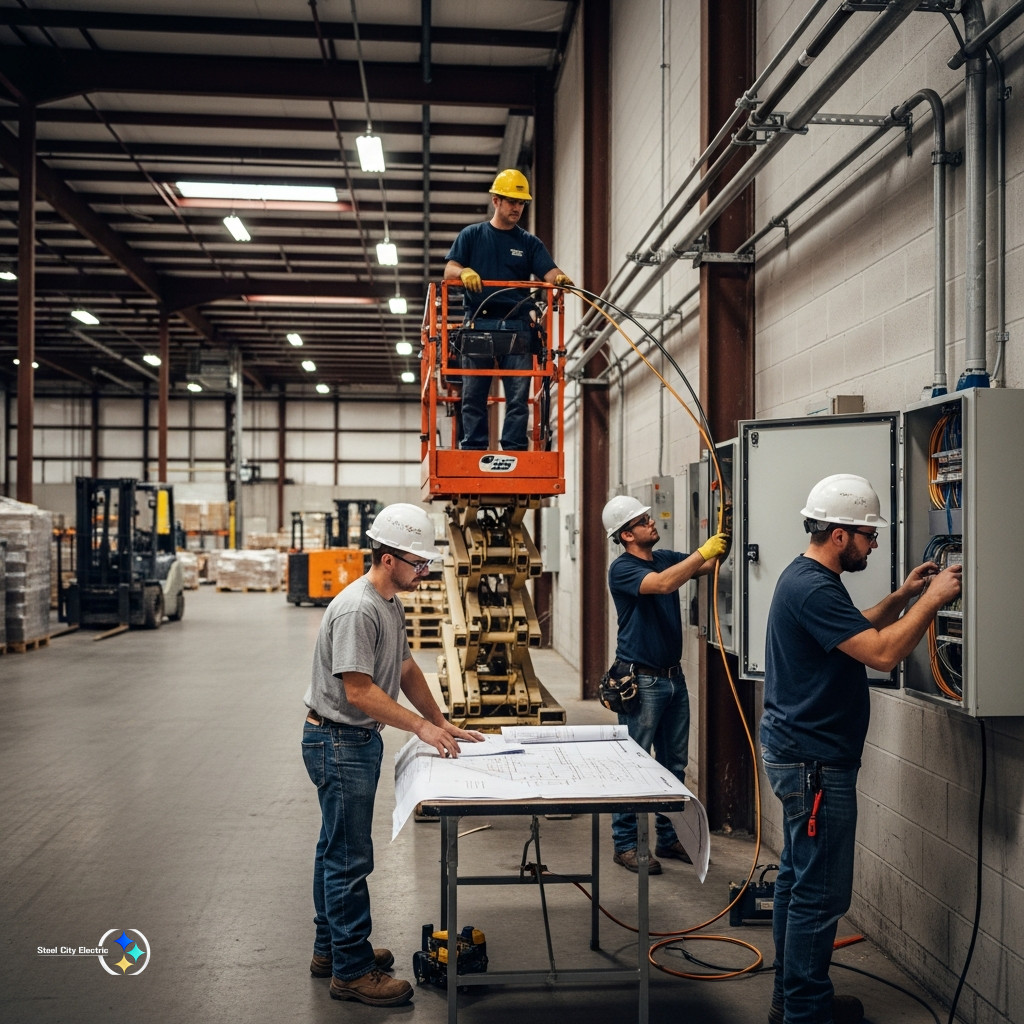
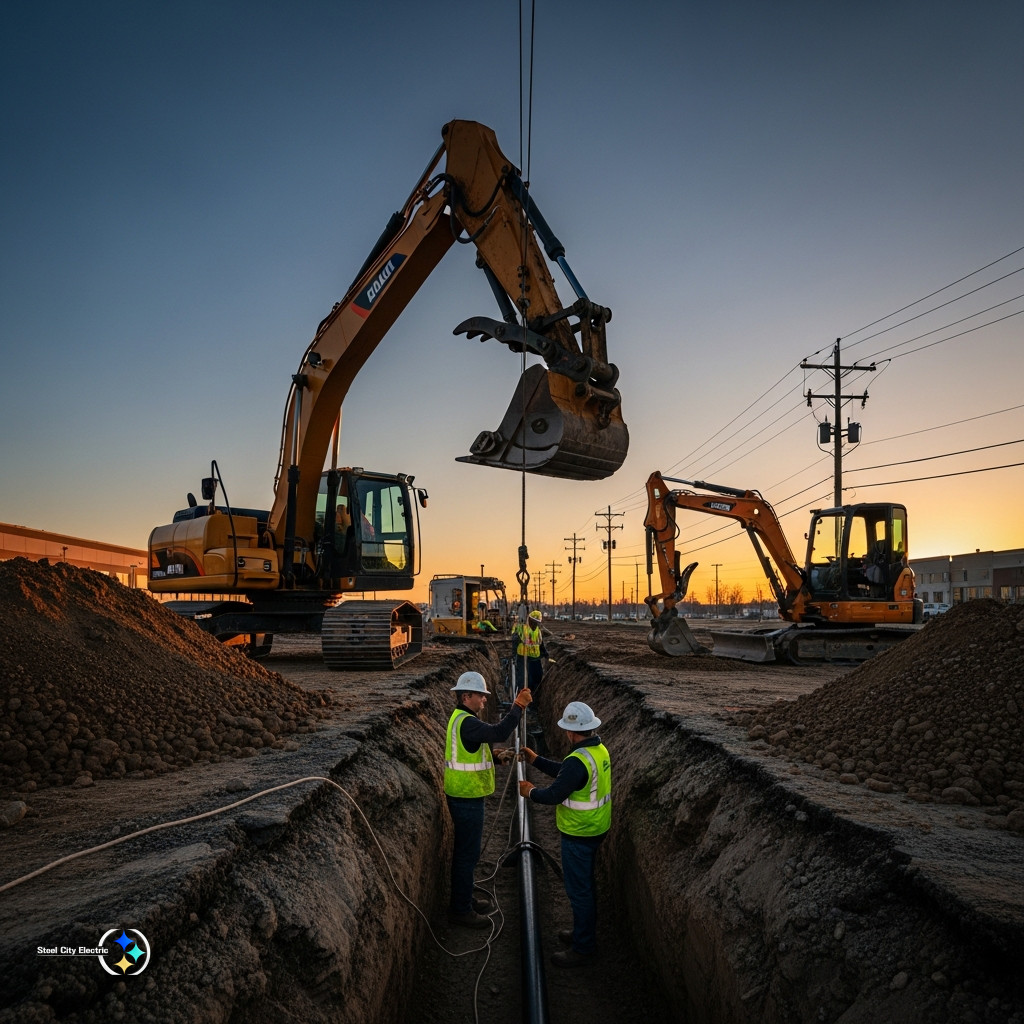
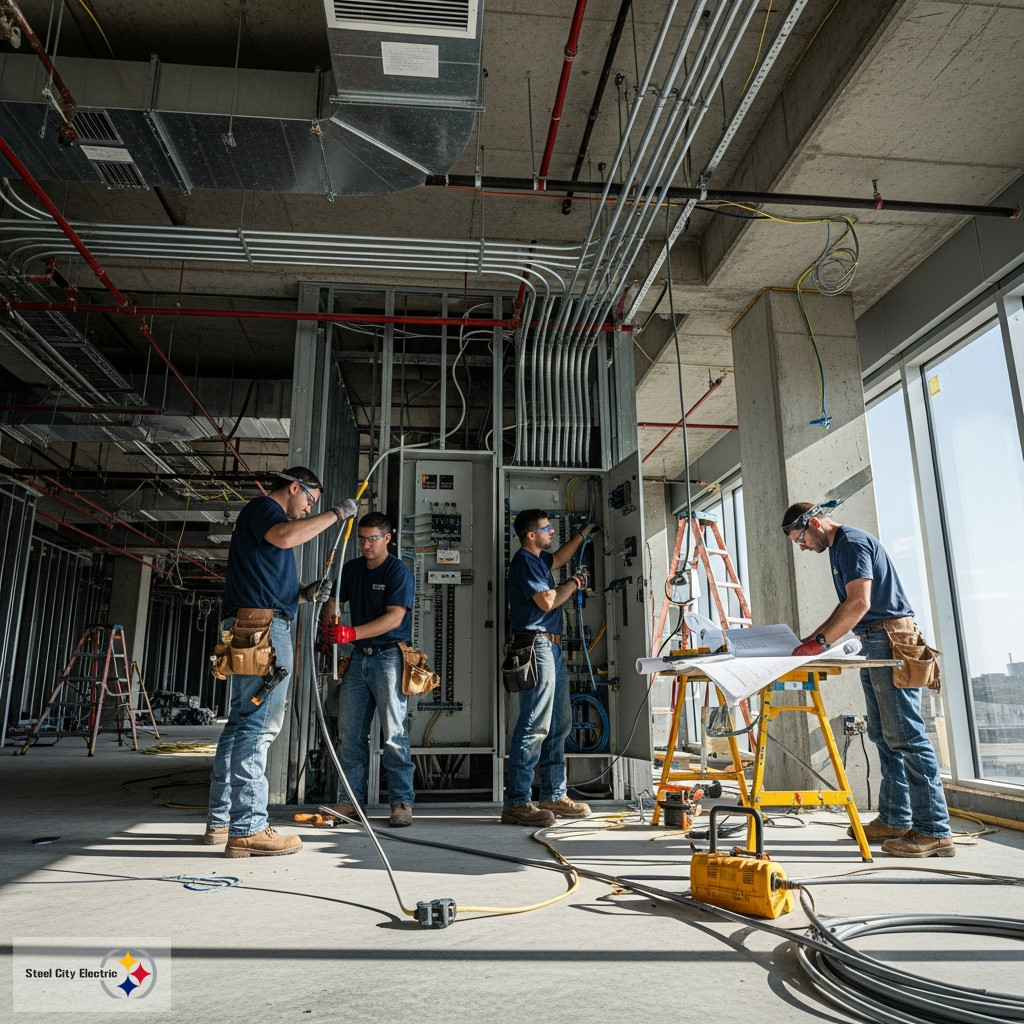
Best move is still walking the job early and checking the drawings against real conditions. Not just flipping through the plan set in the trailer. Look at the utility feed, service path, slab or wall conflicts, grounding electrode access, equipment clearances, and where the disconnects actually land. When Steel City Electric handles new commercial electrical service installations, that is the kind of review that keeps problems from showing up at inspection. If the job is already moving and the service gear has not been checked against current requirements, now is the time. Waiting for the gear to arrive usually means paying to work around something that should have been caught weeks earlier.