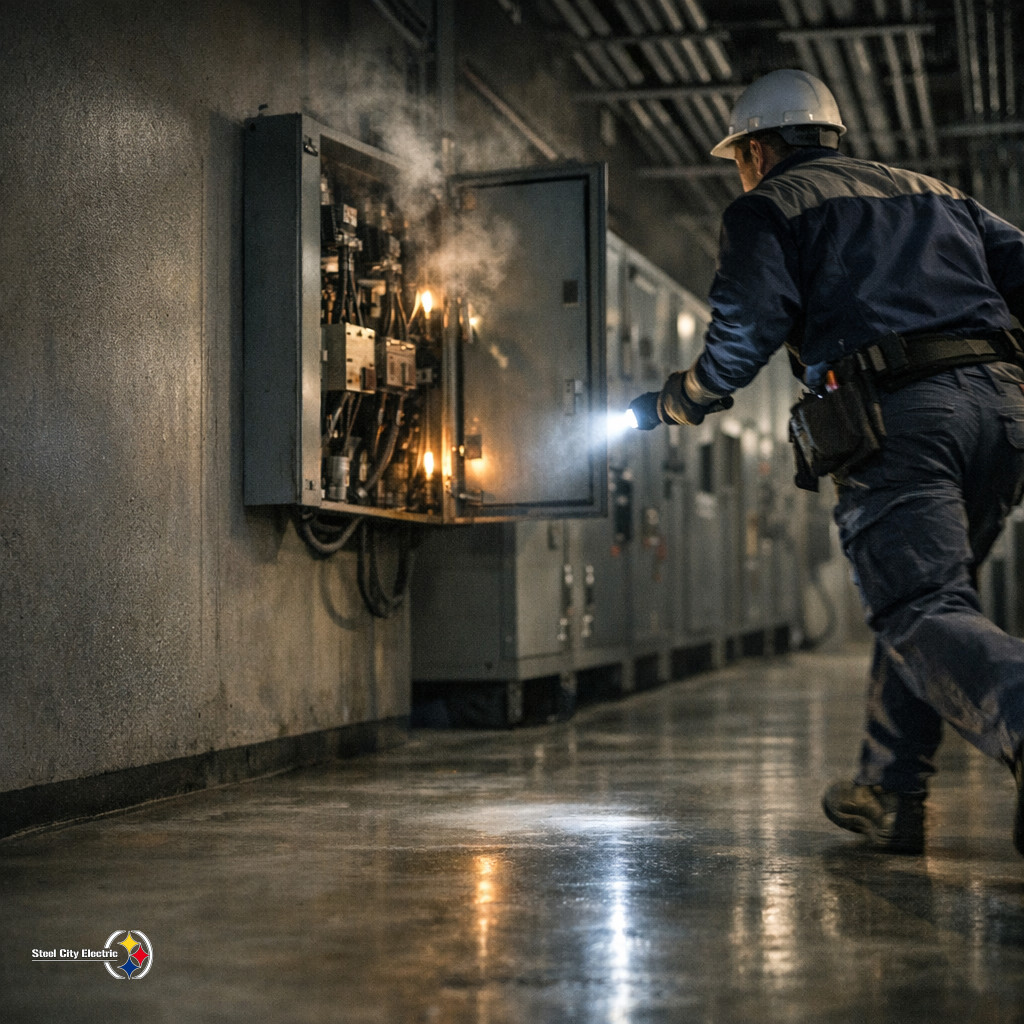
Underground electrical problems usually show up ugly after they have been building for a while. Heat in a feeder. Random trips that nobody can pin down. Water in a box after a hard rain. A run that meggered fine last season but starts looking weak once the building is fully loaded. On commercial jobs around Apollo Beach, Florida, owners often do not see any of that until a tenant is calling or equipment starts dropping out. The trench may have looked clean. The conduit may be covered. That does not mean the install is ready for years of HVAC, lighting, coolers, pumps, chargers, controls, and standby gear pulling at the same time.
The Končar lab story is not just overseas power news. A recent report from balkangreenenergynews.com titled Končar opens laboratory for testing top-of-line equipment used in power engineering talks about a new testing facility near Zagreb for power systems equipment and drives. Big equipment. Heavy loads. Real testing. Different market, sure, but the lesson is familiar on the ground here. Electrical systems are being asked to do more, and the parts nobody thinks about are often the ones buried under asphalt, behind landscaping, or locked in a gear room.
That is where commercial underground electrical utility installation has to be planned like it will need service later, because it probably will. Duct bank layout, sweep locations, pull boxes, feeder size, grounding, utility handoff, spare conduit, and access all change the outcome. A poor route can turn a normal repair into a shutdown. It can also make a future service upgrade cost far more than it should have.
Steel City Electric dealt with that kind of pressure on Stoneybrooke Clubside Condominiums in Sarasota, where underground feeder issues had to be corrected while occupied buildings were dealing with outage conditions. That is not a clean plan-room problem. That is crews, access, schedule, residents, equipment, and power restoration all moving at once.
Apollo Beach adds its own headaches. Salt air. Wet ground. Storm water. Long cooling seasons. Commercial sites do not forgive cheap underground work for very long. Once everything is backfilled, the risk is still sitting there if the install was rushed or undersized. Proper underground electrical utility installation gives the property a better chance when loads grow, tenants change, or the utility side has to be adjusted.
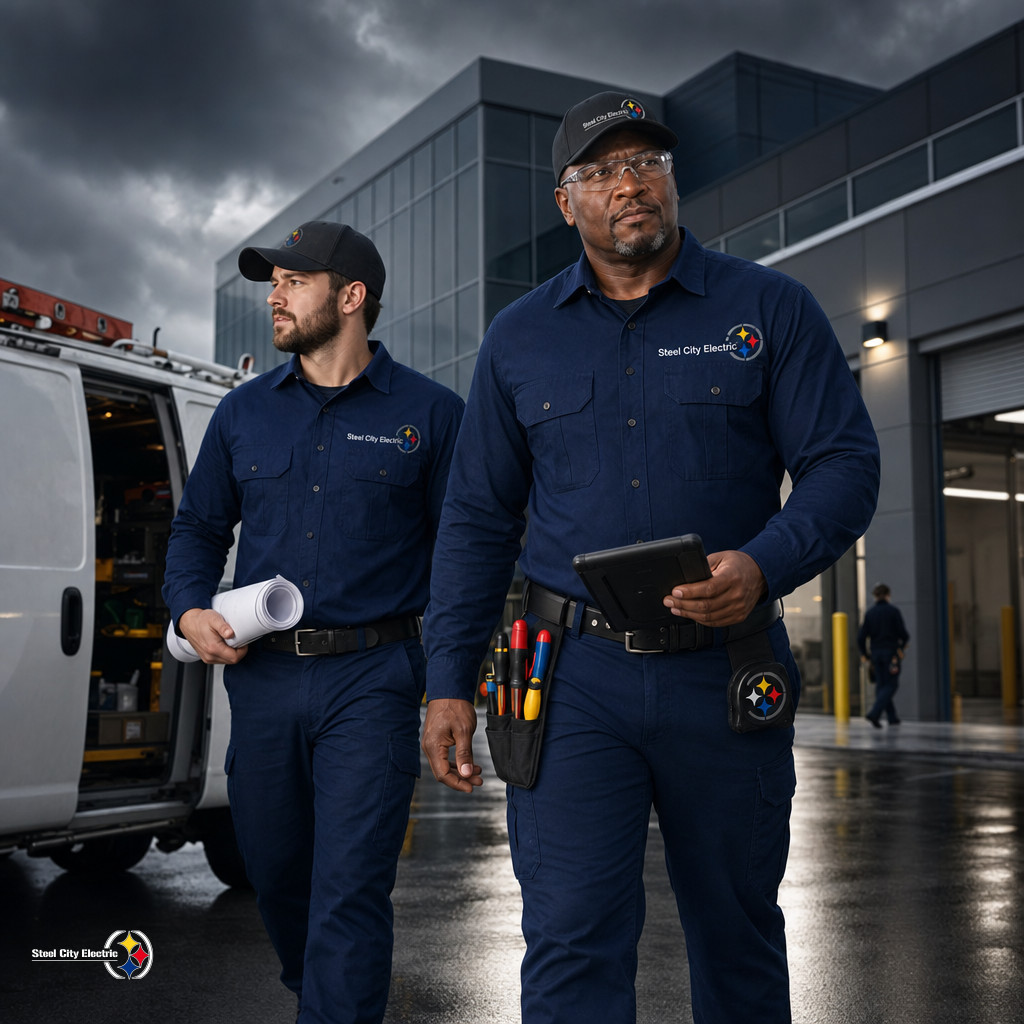
If a commercial site is adding service, replacing damaged feeders, building out new tenant space, or routing new underground utilities, bring the electrical contractor in before concrete, paving, and landscaping block every decent option. Steel City Electric looks at the underground work with outages, access, future pulls, and maintenance in mind. Passing the first inspection matters. Being able to live with the installation later matters more.
For commercial properties dealing with this kind of issue, Steel City Electric can help evaluate the right service path for the building.