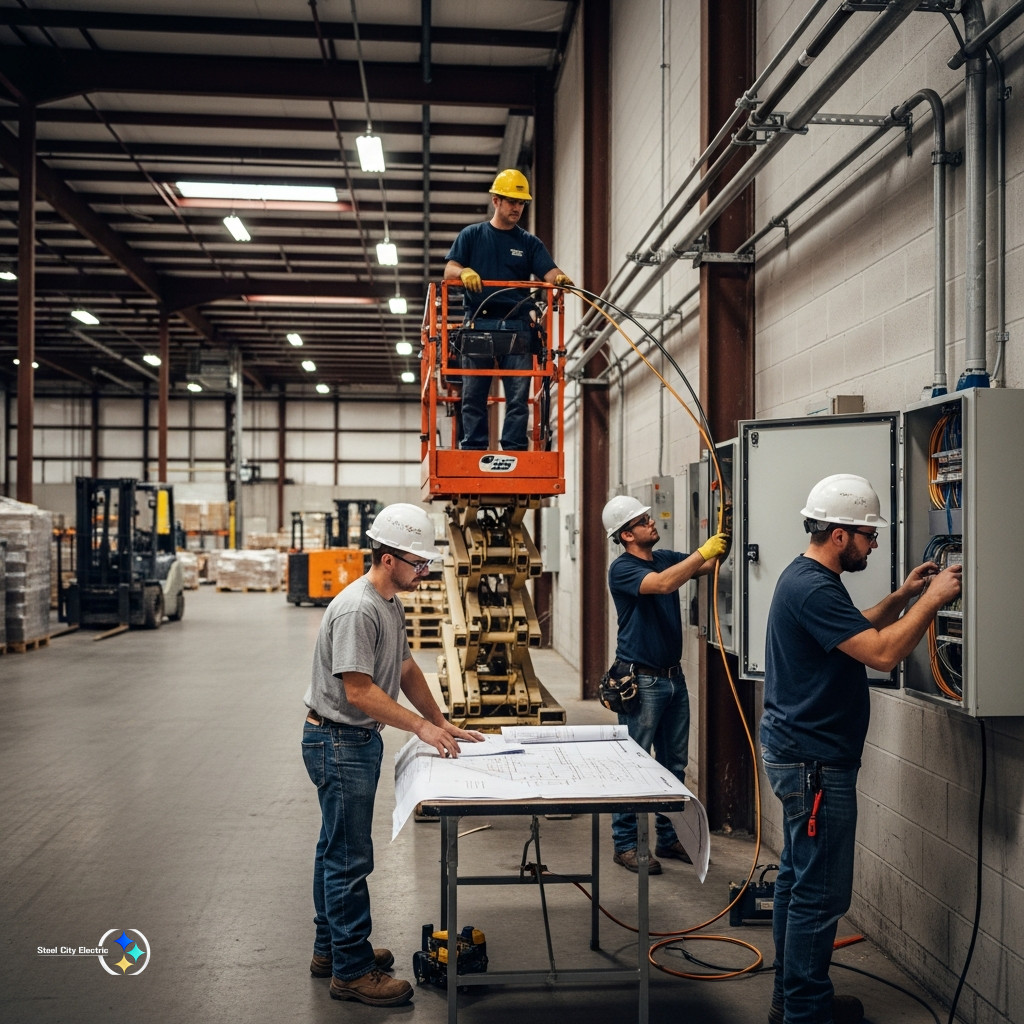
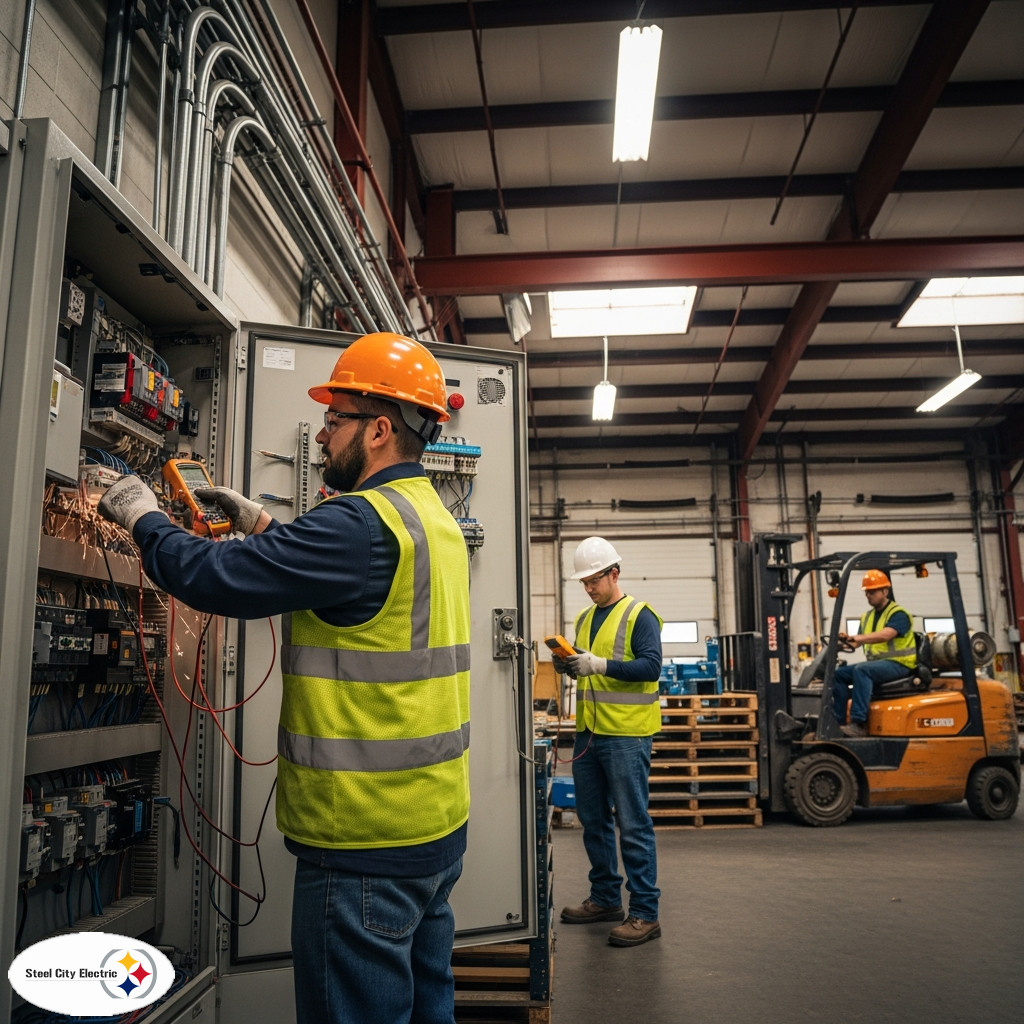
Commercial panels usually do not fail all at once. They get crowded first. One more rooftop unit. Another cooler. New registers. Card readers. LED lighting controls. A tenant buildout that was supposed to be minor. After a few of those projects, the panel schedule is more of a guess than a record. Breakers feel hotter than they should. The last spare space is gone. Someone has already doubled back twice trying to figure out what feeds what. Then a circuit trips while the place is open, and now commercial electrical panel installation and upgrades are not some item for next quarter. They are on the operations list.
A recent industry update from N/A pointed to the same issue contractors keep running into: building loads keep growing, but a lot of service gear was sized for an older version of the business. The panel may still be live. It may even look fine from ten feet away. That does not mean it has room for more equipment or that it is set up clean enough for inspection, insurance review, or another tenant change. Old directories are often wrong. Neutral bars are packed. Circuits have been moved, extended, and re-used over the years. The install is only part of the job. The real work is tracing, planning shutdown windows, keeping necessary loads up where possible, and making sure the new gear does not create a bigger problem than the one it was brought in to solve.
Steel City Electric has dealt with that kind of pressure before, including power upgrade work at LA Fitness Tampa. Active commercial buildings do not give crews a blank slate. People are inside. Equipment is running. Managers want answers on timing. If phasing is loose, the job gets ugly fast.
Restaurants, retail centers, gyms, medical offices, warehouses, and multi-tenant buildings all run into the same wall eventually. Panel capacity affects downtime, refrigeration, life safety equipment, point-of-sale systems, HVAC, and how quickly a space can be changed for the next use. A planned commercial panel upgrade gives the building breathing room instead of relying on overloaded breakers or field fixes that should have been temporary. If nuisance trips are showing up, the panel is full, labeling is bad, or new equipment is coming in, the panel needs to be reviewed before the next load gets landed. Waiting usually means a longer shutdown and fewer good options.