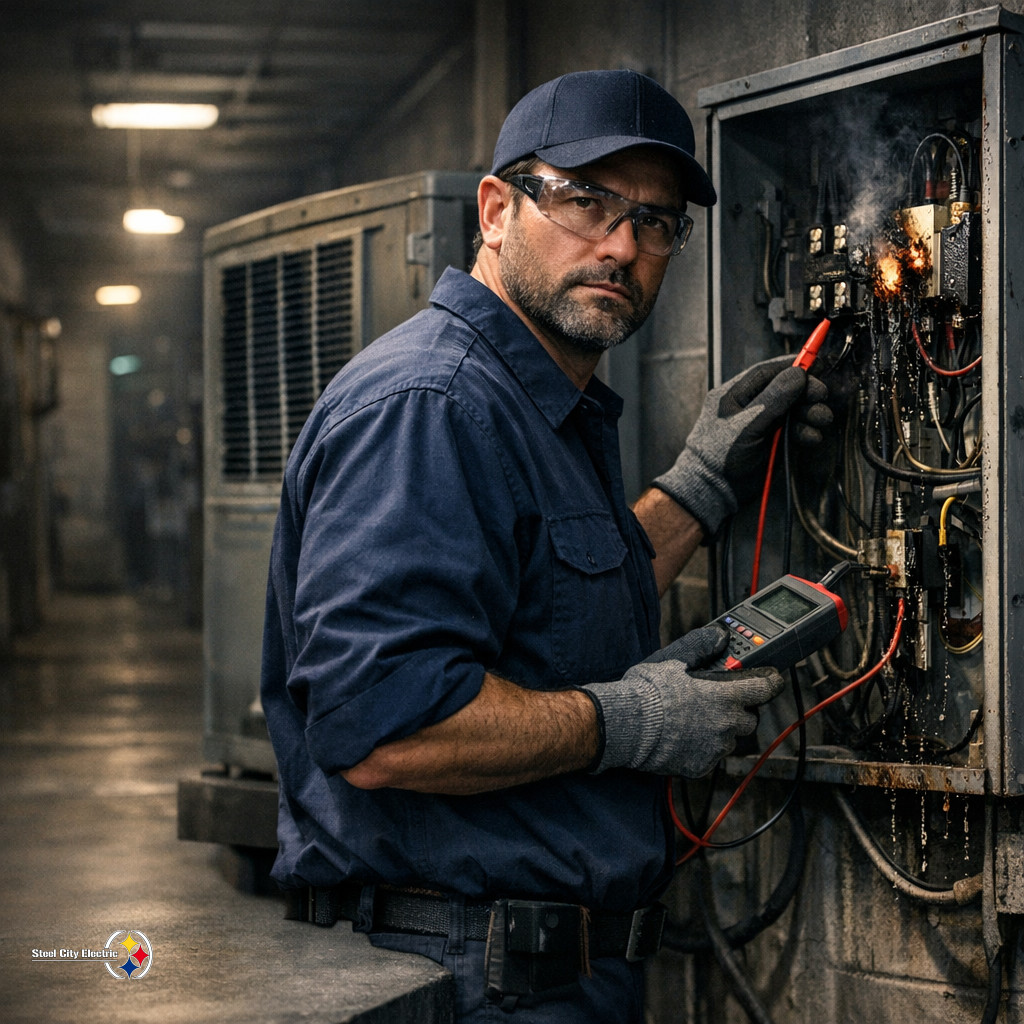
On a commercial site, the generator is usually the clean-looking part of the job. New pad. New gear. Nice submittal package. Then somebody opens an old outdoor disconnect and the real schedule starts to move. Burnt lugs, undersized feeders, hacked HVAC circuits, missing labels, weathered conduit, equipment that has been limping along for years. Around Palmetto, Florida, that kind of stuff can stretch a planned commercial generator installation into an outage nobody budgeted for. Especially when the generator has to carry HVAC, lighting, refrigeration, controls, and transfer equipment without guessing.
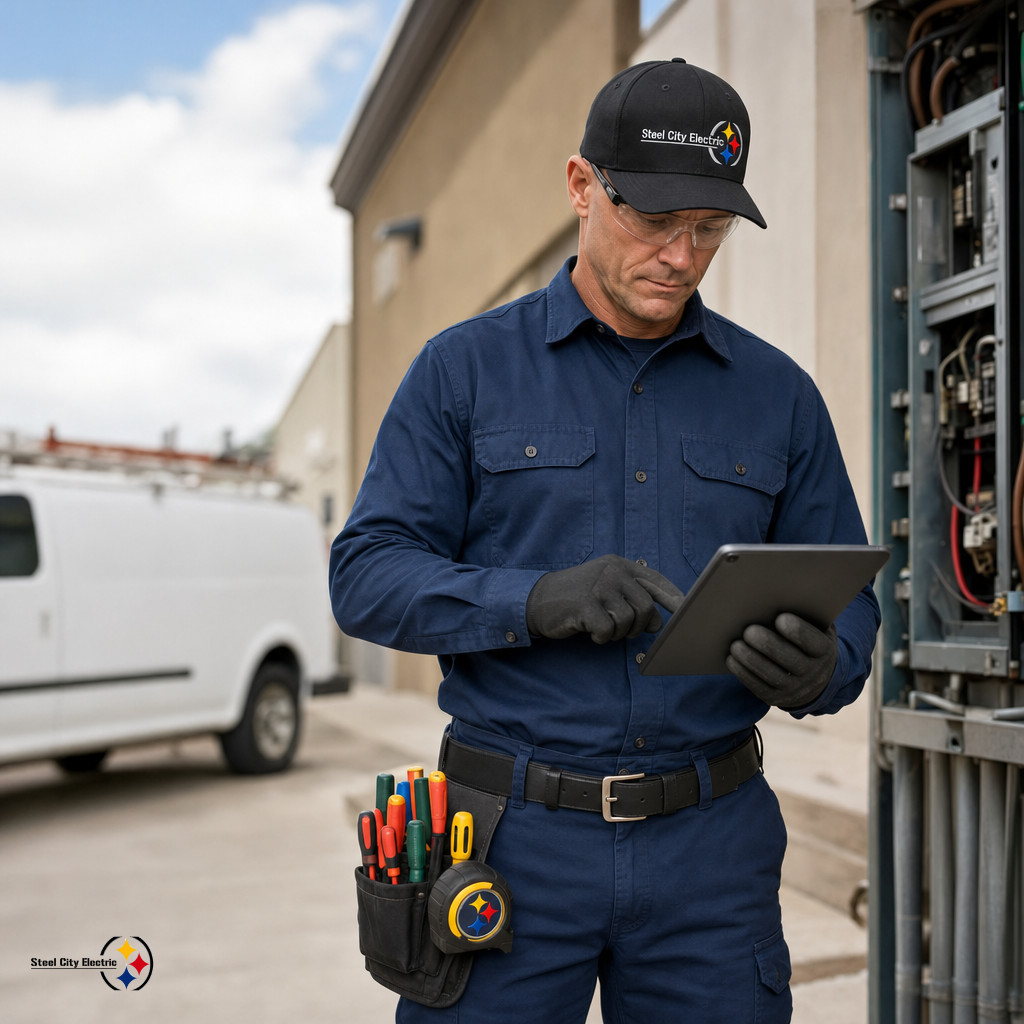
The recent industry update from homepros.news titled A long-delayed GFCI requirement is set to hit outdoor HVAC equipment in September hits on a problem electricians run into all the time. Outdoor HVAC work gets ignored until inspection, replacement, or backup power forces everyone to look at it. A condenser or rooftop unit may have run all summer, but that does not mean the wiring, GFCI protection, disconnect, grounding, or manufacturer requirements are going to pass when a new standby system is tied in. Once inspectors, code changes, and equipment specs get involved, “it worked before” does not carry much weight.
That is where the cost shows up. Not in a dramatic way. More like a manager standing in a hot mechanical room making phone calls while tenants ask when the air is coming back on. A small grocery space cannot leave coolers down. A restaurant cannot gamble with food storage. A medical office may not be able to open if power is unstable. If the HVAC circuits are wrong, or the load calculation does not match what the building actually uses, generator startup can stop cold. Steel City Electric has dealt with tight retail timing before on Foot Locker Sarasota, where the electrical work had to fit around active buildout pressure and real operating deadlines.
For Palmetto commercial properties, it makes more sense to walk the electrical system before the generator lands on site. Check the exterior HVAC feeds. Open the panels. Verify transfer switch location, clearances, grounding, feeder condition, and what loads truly need to run during an outage. A solid commercial standby generator setup should not depend on crossed fingers at startup. If cooling, refrigeration, lights, security, or front-end operations matter to the building, get the rough spots found now. Finding them during a shutdown is when the job gets expensive.